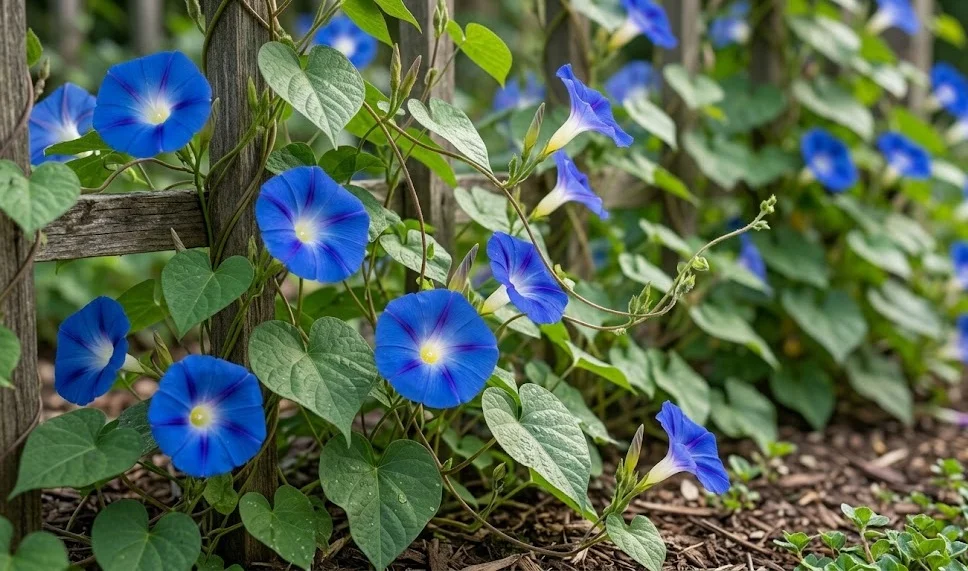

Mastering the balance of hydration and nutrition is fundamental to achieving the spectacular azure displays that define the blue morning glory. This fast-growing vine has a high metabolic rate, meaning it processes water and minerals much more rapidly than many other garden annuals. Proper management of these two factors ensures that the plant remains turgid, healthy, and capable of producing a continuous supply of fresh blooms. Without a consistent approach to watering and feeding, the vine may struggle to maintain its lush foliage and vibrant floral output.
The relationship between water and fertilizer is deeply interconnected, as moisture acts as the primary vehicle for nutrient transport within the plant. Fertilizing a dry plant can actually be harmful, as the concentrated salts may cause root burn if there isn’t enough water to dilute them. Conversely, overwatering can leach essential minerals out of the root zone before the plant has a chance to absorb them for growth. Finding the “sweet spot” where the soil is consistently moist but not saturated is the hallmark of an expert gardener.
Environmental conditions such as temperature, humidity, and wind speed directly influence the frequency and amount of water the vine requires. On a hot, breezy summer day, a mature morning glory can lose a significant amount of moisture through its large leaf surfaces via transpiration. The gardener must be prepared to adjust the irrigation schedule in response to these external pressures to prevent the plant from wilting. Regular observation of the plant’s leaves, which are the first to show signs of thirst, is the best guide for timing.
Nutrient requirements also shift as the plant moves through its various life stages, from a young seedling to a massive flowering climber. Early in its development, the focus should be on building a strong root system and healthy green foliage to fuel future growth. Once the flowering period begins, the plant’s needs change toward supporting reproductive structures and maintaining the intensity of its bloom color. A tailored fertilization strategy that respects these biological transitions will lead to a much more impressive and long-lasting garden performance.
Hydration requirements and cycles
The blue morning glory thrives on a consistent supply of moisture, but it is important to understand that its needs are not static. During the early morning hours, the plant is at its peak hydration level, which is why the flowers are so turgid and beautifully open. As the sun rises and the day heats up, the plant begins to use its stored water to stay cool and maintain its structural integrity. Watering in the early morning is generally considered the best practice, as it prepares the vine for the challenges of the coming day.
More articles on this topic
Deep watering is far more beneficial than frequent, shallow sips of water that only moisten the surface of the soil. When the water reaches the lower levels of the substrate, it encourages the roots to grow deeper, making the plant more resilient to temporary drought. A slow, steady application of water allows it to soak in without running off, ensuring that the entire root ball is thoroughly hydrated. This practice is particularly important for plants growing in containers, which can dry out much faster than those in the ground.
Monitoring the soil moisture manually is a simple and effective way to determine when it is time to reach for the watering can. Inserting a finger into the top two or three centimeters of soil will provide an immediate sense of the moisture levels near the roots. If the soil feels dry at that depth, it is time for a thorough watering; if it still feels damp, it is better to wait a bit longer. Over-watering can be just as detrimental as under-watering, as it can lead to oxygen deprivation and the eventual death of the root system.
During periods of extreme heat or prolonged drought, the morning glory may require watering more than once a day to stay healthy. In these situations, an evening watering can provide additional relief and allow the plant to fully recover its hydration levels overnight. However, care should be taken to avoid getting water on the leaves during the evening to prevent the development of fungal diseases. A drip irrigation system or a soaker hose can be an excellent investment for ensuring a steady, targeted supply of water with minimal effort.
Ensuring effective drainage
While the blue morning glory loves water, it absolutely cannot tolerate sitting in stagnant, waterlogged soil for any significant length of time. Good drainage is essential because plant roots need oxygen to breathe and perform the metabolic functions necessary for life. If the spaces between soil particles are constantly filled with water, the roots will eventually suffocate and begin to rot. This condition often manifests as yellowing leaves, a lack of growth, and a general decline in the plant’s overall health.
More articles on this topic
For plants grown in the ground, the natural drainage of the site should be assessed before planting even begins. Areas where water tends to pool after a heavy rain are not suitable for these vines unless the soil is significantly amended or raised beds are used. Adding organic matter like compost or well-rotted manure can help improve the structure of heavy clay soils, making them more porous. In sandy soils, the same amendments can help the ground hold onto just enough moisture while still allowing excess to drain away freely.
Container-grown blue morning glories are particularly susceptible to drainage issues if the right precautions are not taken from the start. It is vital to use a high-quality potting mix that is specifically designed for drainage, rather than heavy garden soil which can compact in a pot. Ensuring that the container has adequate drainage holes is the most basic yet most important step in the entire planting process. Some gardeners also place a layer of larger stones or broken terracotta at the bottom of the pot to prevent the drainage holes from becoming clogged.
If you suspect that your plant is suffering from poor drainage, there are a few corrective measures you can take to save the vine. Aerating the soil gently with a small garden fork can help introduce air into the root zone and break up any compaction. In extreme cases, it may be necessary to transplant the vine to a more suitable location or to a better-draining container. Prevention, however, remains the best strategy, as the damage caused by root rot can often be irreversible once it has reached the main stem of the plant.
Selecting the right fertilizers
Choosing the correct fertilizer for the blue morning glory requires an understanding of the three main macronutrients: nitrogen, phosphorus, and potassium. Nitrogen is primarily responsible for leaf and stem growth, which is vital for a vine that needs to cover a large area quickly. Phosphorus is essential for root development and, more importantly, for the production of healthy, vibrant flowers. Potassium helps with overall plant health, including water regulation and resistance to various environmental stresses and common diseases.
A balanced, all-purpose fertilizer with an equal ratio of these three nutrients is often a safe and effective choice for general maintenance. However, many expert gardeners prefer to use a formula that is slightly higher in phosphorus once the vine reaches its blooming stage. This shift in nutrition helps to maximize the floral display and can lead to larger, more intensely colored flowers throughout the summer. Always check the labels on fertilizer products to understand the specific concentrations and recommended application rates for annual climbers.
Organic fertilizers, such as fish emulsion, liquid seaweed, or compost tea, offer a gentler and more sustainable way to feed your plants. These products not only provide nutrients but also help to build a healthy soil ecosystem by supporting beneficial bacteria and fungi. While they may act a bit more slowly than synthetic chemical fertilizers, they are less likely to cause root burn and provide a more comprehensive range of micronutrients. Many people find that combining organic and synthetic options provides the best of both worlds for their garden.
It is also important to consider the delivery method of the fertilizer, whether it be in granular, liquid, or slow-release form. Granular fertilizers are often easy to apply to the soil surface but require watering in to become available to the plant’s roots. Liquid fertilizers provide an immediate boost and are excellent for container plants, but they need to be applied more frequently as they leach out quickly. Slow-release pellets are a great “set it and forget it” option that provides a steady stream of nutrition over several months of growth.
Application methods and timing
The timing of fertilizer application is just as important as the type of nutrients you choose to provide for your blue morning glory. Starting with a base layer of compost or a slow-release fertilizer at the time of planting provides a steady foundation for early growth. Once the plant is established and growing vigorously, supplemental feeding every two to four weeks can help maintain its momentum. It is generally best to avoid fertilizing during the hottest part of the day, as this can increase the risk of stress or chemical damage.
When applying liquid fertilizers, it is often beneficial to dilute the solution to half-strength and apply it more frequently than the package recommends. This “weakly, weekly” approach provides a more consistent supply of nutrients and reduces the chance of causing a sudden growth spurt that might be weak or susceptible to pests. Make sure to apply the fertilizer to the soil around the base of the plant, avoiding direct contact with the foliage unless you are using a specific foliar feed. This ensures that the nutrients reach the roots where they are most needed for absorption.
For granular fertilizers, spreading the product evenly across the root zone and then lightly scratching it into the top layer of soil is the most effective method. Be careful not to disturb the roots too much during this process, as the blue morning glory can be sensitive to root disturbance. Always water the area thoroughly after applying granular fertilizer to help dissolve the nutrients and carry them down to the root system. This step is crucial for preventing the concentrated chemicals from sitting on the soil surface where they can’t be used.
As the growing season draws to a close in late summer, it is a good practice to stop heavy fertilization to allow the plant to naturally prepare for the end of its cycle. Continuing to push for growth with high-nitrogen feeds late in the year can lead to soft, late-season stems that are easily damaged by the first cool nights of autumn. Instead, focus on providing adequate water and enjoying the final flush of blooms as the plant completes its annual life cycle. Proper timing ensures that the plant’s energy is used efficiently throughout the entire year.
Correcting nutrient imbalances
Recognizing the signs of nutrient deficiencies or excesses is an essential skill for anyone looking to grow the healthiest possible blue morning glory. Yellowing of the older, lower leaves while the veins remain green is often a sign of magnesium deficiency, which can be corrected with a small amount of Epsom salts. If the new growth is pale yellow or white, it may indicate an iron deficiency, which is common in alkaline soils where minerals are locked away. Adjusting the pH or using a chelated iron supplement can quickly resolve this issue and restore the plant’s color.
Nitrogen deficiency typically shows up as a general paleness of the entire plant and a noticeable slowdown in the rate of growth. On the other hand, an excess of nitrogen can lead to incredibly lush, dark green foliage but very few, if any, flowers. If your vine looks like a jungle but hasn’t produced a single bud by mid-summer, you may need to cut back on the nitrogen and increase the phosphorus. This balance between vegetative growth and reproductive success is one of the most common challenges in morning glory care.
Phosphorus deficiency is often marked by a purplish tint to the leaves and a lack of floral development even when the plant seems otherwise healthy. Potassium deficiency can cause the edges of the leaves to turn brown and crispy, a condition often called “marginal scorch.” Because these symptoms can sometimes mimic the effects of over-watering or heat stress, it is important to look at the whole picture before making adjustments. Testing the soil can provide a definitive answer and prevent you from adding more of a nutrient that might already be present in excess.
Correcting an imbalance should be done gradually to avoid shocking the plant with a sudden surge of a missing mineral. Start with a low dose of the specific nutrient and monitor the plant’s response over the next week or two before deciding if more is needed. It is also a good idea to flush the soil with plain water if you suspect that an excess of fertilizer salts has built up in the root zone. By paying close attention to these nutritional signals, you can ensure that your blue morning glory remains a healthy and vibrant part of your garden landscape.