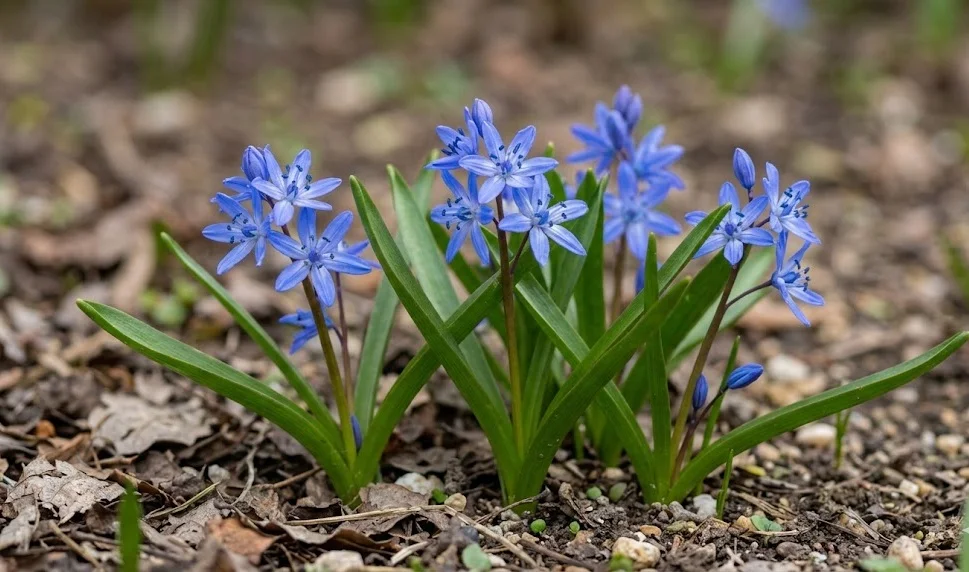

The winter months are a period of vital rest and physiological preparation for these hardy spring bulbs, requiring a professional approach to seasonal protection. While they are naturally adapted to cold climates, certain environmental factors can still pose a risk to their health during the dormant phase. Ensuring that the bulbs are properly insulated and situated can prevent issues like frost heaving or excessive moisture loss. A well-managed overwintering strategy guarantees a strong and uniform emergence when the first signs of spring finally arrive.
Preparing for the first frost
The preparation for winter actually begins in the late autumn, long before the ground freezes solid. The most important task is to ensure that the soil has adequate moisture levels as the temperatures begin to drop. Dry bulbs are more susceptible to damage from extreme cold and may struggle to produce strong roots. A few deep waterings in October or November, if the weather has been dry, provides the necessary hydration for the dormant period.
Clear the area of any fallen leaves from large trees that might form a thick, suffocating mat over the planting site. While a light layer of leaves is beneficial, a heavy, wet blanket of foliage can trap too much moisture and encourage fungal growth. Replacing these heavy leaves with a more breathable organic mulch is a professional technique for managing the soil surface. This allows for gas exchange while still providing the necessary protection from temperature fluctuations.
Check the planting depth of your bulbs, as those that are too shallow may be at risk from the freezing and thawing cycles of the soil. This process, known as frost heaving, can actually push bulbs out of the ground, exposing them to the elements and predators. If you notice any bulbs sitting near the surface, add a little extra soil or a thicker layer of mulch to provide more cover. Ensuring a consistent depth is a simple but effective way to protect your investment over the winter.
Finally, take the time to mark the location of the bulbs if they are not already part of an established bed. This prevents accidental damage during winter garden maintenance or snow removal activities. Small wooden stakes or garden markers are perfect for this purpose and can be removed in the spring. Knowing exactly where the bulbs are hidden allows you to monitor the area more effectively and plan for the upcoming season.
More articles on this topic
Insulation and mulching
Mulching is the most effective way to insulate the soil and protect the bulbs from the harshest winter conditions. A layer of about two to three inches of organic material like wood chips, straw, or pine needles works beautifully. This insulation helps maintain a more stable soil temperature, preventing the rapid freezing and thawing that can damage plant tissues. It also helps conserve soil moisture and suppresses any winter-growing weeds that might appear.
Choose a mulch material that is loose and does not compact easily under the weight of winter snow and ice. Pine needles are particularly excellent because they remain airy and do not break down too quickly in the cold. Straw is another good option, although it can sometimes harbor weed seeds or attract small rodents looking for a warm place to hide. Avoid using heavy, fine-textured materials like sawdust, which can form an impermeable crust on the soil surface.
The timing of mulch application is critical for professional results in the garden. You should wait until the ground has started to freeze before applying the final winter layer of insulation. This encourages the bulbs to go fully dormant and prevents them from being fooled by a late-season warm spell. If you mulch too early, you might trap heat in the soil, which can lead to premature sprouting and subsequent frost damage.
In the late winter or very early spring, you should be prepared to gradually thin the mulch as the first shoots begin to emerge. If the layer is too thick, it can obstruct the growth of the delicate flowers and lead to pale, weakened stems. Removing the bulk of the mulch allows the soil to warm up more quickly and triggers the plant’s natural growth response. A professional gardener adjusts the mulch layer according to the current weather conditions and the progress of the plants.
More articles on this topic
Container-grown bulb care
Bulbs grown in containers require extra attention during the winter because they lack the natural insulation of the ground. The soil in a pot freezes much more quickly and deeply than the surrounding garden soil, which can be fatal to the bulbs. One effective professional strategy is to bury the entire container in a vacant spot in the garden for the winter. This uses the Earth’s natural warmth to protect the roots and bulbs from extreme temperature swings.
If burying the pots is not an option, moving them to an unheated garage, shed, or cold frame can provide sufficient protection. The temperature in these locations should stay above freezing but remain cool enough to keep the bulbs in a dormant state. You should check the moisture level of the pots occasionally, as they can dry out even in the winter. A light watering once a month is usually enough to prevent the bulbs from shriveling without causing rot.
Wrapping the containers in insulating materials like burlap, bubble wrap, or specialized frost blankets is another useful technique. This provides an extra layer of protection against the wind and the most severe cold snaps. Grouping the pots together also helps conserve heat and creates a more stable microclimate for the group. For high-value or decorative containers, this extra effort is well worth the time to ensure a beautiful spring display.
Avoid bringing container-grown spring bulbs into a heated house during the winter, as this will break their dormancy too early. The sudden shift to a warm environment will cause the bulbs to sprout, but the lack of intense light will result in weak, leggy growth. They require a significant period of cold to develop their flowers properly, so keeping them in a cool spot is essential. Professional care for containers focuses on mimicking the natural winter cycle as closely as possible.
Post-winter recovery
As the snow melts and the ground begins to thaw, the bulbs will naturally start their recovery and growth phase. This is the time to remove any remaining winter protection and allow the sunlight to reach the soil surface. Be careful not to step on the thawing soil, as it is very susceptible to compaction when it is wet and soft. A gentle raking to clear away debris will make the area look tidy and ready for the emerging shoots.
Watch for signs of frost heaving that may have occurred during the final weeks of winter. If you find any bulbs that have been pushed to the surface, gently press them back into the soil and cover them with a bit of compost. Providing a light application of balanced fertilizer at this stage can help support the rapid growth that is about to occur. The plants are very hungry as they wake up, and a little extra nutrition can significantly improve the quality of the flowers.
If a late spring frost is predicted after the shoots have emerged, you may need to provide some temporary protection. Covering the tender green growth with an upturned bucket or a light cloth overnight can prevent the tips from being burnt by the ice. Remove the covering as soon as the sun comes up to prevent heat buildup around the plant. This proactive approach ensures that the delicate beauty of the first blooms is not ruined by a final burst of winter.
Take note of any gaps in the colony where bulbs may have failed to survive the winter. This information is invaluable for planning your autumn planting and identifying potential issues like drainage problems or pest activity. Overwintering is a dynamic process, and each year provides new lessons for the professional gardener. By carefully managing the transition from winter to spring, you ensure a reliable and breathtaking display every year.