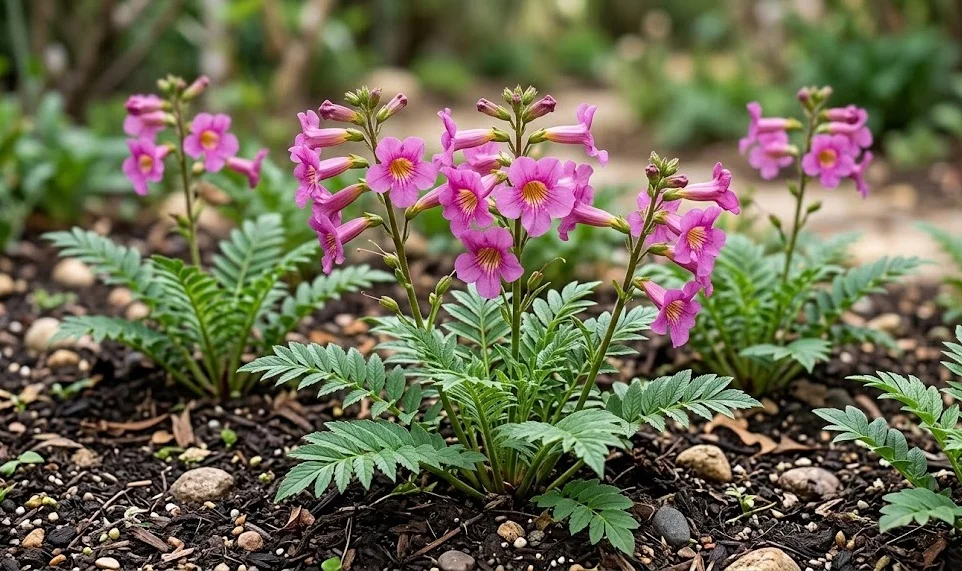

Understanding the specific light requirements of the chinese trumpet flower is essential for achieving a healthy plant and a stunning floral display. This species has evolved to thrive in environments where it receives a significant amount of direct sunlight, which fuels its rapid growth and the production of its large, exotic blooms. However, the intensity and duration of that light must be balanced with the local climate to prevent stress or damage to the foliage. A professional approach to light management involves selecting the right site and being prepared to make adjustments as the seasons change.
In its native habitat, the plant is often found in open mountain meadows where it is exposed to bright, clear light for much of the day. This natural setting provides a blueprint for how you should position the plant in your own garden for the best results. Generally, a location that receives at least six to eight hours of direct sunlight is considered ideal for promoting vigorous growth and a high number of flowers. Without sufficient light, the plant may become leggy and produce fewer, smaller blooms that lack the characteristic vibrancy of the species.
While sunlight is necessary for energy production, the heat that often accompanies it can be a challenge in certain regions. In very hot climates, the intense afternoon sun can sometimes be too much for the plant, leading to scorched leaves or a shortened blooming period. In these cases, a spot that provides bright morning light but offers some filtered shade during the hottest part of the day is often the best compromise. Finding this “sweet spot” in your garden is one of the most important steps in successful cultivation.
The quality of light also changes throughout the year, and the plant’s needs shift as it moves through its lifecycle. In the spring, the increasing light levels act as a signal for the plant to emerge from dormancy and begin its active growth phase. During the summer, the long days provide the maximum energy needed for flowering and resource storage. Understanding these seasonal changes allows you to work with the natural rhythms of the plant to achieve a professional-level garden display.
Direct sunlight and flowering performance
The relationship between direct sunlight and the production of flowers is a fundamental aspect of the chinese trumpet flower’s biology. The energy captured from the sun is converted into the sugars and starches that the plant uses to build its impressive, bell-shaped blossoms. You will often notice that plants grown in full sun have sturdier stems and a more compact growth habit compared to those in the shade. This structural integrity is important for supporting the weight of the flowers without the need for extensive staking.
More articles on this topic
If you find that your plant is producing lots of leaves but very few flowers, it may be a sign that it is not receiving enough light. Shaded plants often direct their energy into stretching toward the light source, resulting in weak, spindly growth that is more prone to damage. Moving the plant to a brighter location or pruning back overhanging branches to let in more sun can often solve this problem. A professional gardener is always looking for ways to optimize the light environment for their most valued specimens.
In northern latitudes or cooler climates, maximizing sun exposure is even more critical because the intensity of the light is lower. Placing the plant against a south-facing wall can provide extra light and warmth, which can significantly improve growth and flowering. The reflected heat from the wall also helps to warm the soil earlier in the spring, giving the plant a head start on the season. These small environmental adjustments can make a big difference in the success of your garden.
Conversely, in the southern regions where the sun is exceptionally strong, you must be careful about the potential for leaf burn. The large, soft leaves of the chinese trumpet flower can lose moisture quickly under the intense UV radiation of midday. Providing a layer of mulch to keep the roots cool can help the plant tolerate higher light levels without becoming stressed. A balanced approach that considers both light and temperature is the key to maintaining a healthy and beautiful specimen.
Partial shade considerations and benefits
While full sun is often the goal, the chinese trumpet flower can also perform remarkably well in partial shade, especially in warmer climates. Partial shade is defined as a location that receives filtered light throughout the day or direct sun for only a portion of the day. This environment can help to preserve the delicate colors of the flowers, which might otherwise fade quickly under the relentless summer sun. Many gardeners find that their plants have a longer blooming season when protected from the harshest midday rays.
More articles on this topic
When choosing a partially shaded site, try to ensure that the plant still receives its light during the morning hours. Morning sun is generally cooler and less stressful for the plant than the intense afternoon sun. This allows the plant to photosynthesize efficiently in the early part of the day while being protected during the period of maximum heat. A thoughtful site selection like this can reduce the plant’s water needs and help it maintain its vibrant green foliage throughout the summer.
Be aware that deep shade is not suitable for this species and will almost certainly lead to poor health and a lack of flowers. If the light levels are too low, the plant will struggle to produce enough energy to survive the winter dormancy, leading to a slow decline over several years. If you must plant in a shaded area, look for “dappled” shade where sunlight breaks through the canopy of nearby trees. This provides a dynamic light environment that can be quite successful if the overall energy levels are sufficient.
If you are unsure about the light levels in a particular spot, you can observe the movement of shadows throughout the day before planting. This simple exercise will help you understand exactly how many hours of direct sun the area receives and at what time. Professional garden design is based on this kind of careful observation and planning. Taking the time to understand the light patterns in your garden will save you from the frustration of a struggling plant later on.
Signs of light stress and corrective actions
Learning to read the signs of light-related stress will allow you to take corrective action before the health of your plant is seriously compromised. If the leaves are turning a pale yellow or developed white, bleached-out patches, it is a clear sign of sunscald from too much direct intensity. In this case, providing some temporary shade or moving the plant to a more protected location is necessary. It is important to act quickly, as the damaged tissue cannot recover and will eventually die and fall off.
On the other hand, a plant that is not getting enough light will often show signs of “etiolation,” where the stems become unnaturally long and thin. The leaves may also be smaller than normal and have a darker green color as the plant tries to maximize its limited photosynthetic capacity. If you see these symptoms, it is a clear indication that the plant needs a brighter home. Increasing the light levels will help the plant regain its natural shape and strength over time.
Sudden changes in light levels can also be stressful for the plant, such as when a nearby tree is removed or when a container-grown plant is moved. You should always try to transition your plants gradually to new light conditions to give them time to adjust their internal chemistry. This process, known as acclimation, involves moving the plant to its new spot for a few hours a day and slowly increasing the exposure. A professional touch in management prevents the shock that can lead to leaf drop or stunted growth.
Finally, remember that the surrounding environment can affect the light levels in subtle ways, such as reflections from windows or the color of nearby fences. White surfaces can reflect a surprising amount of light onto a plant, effectively increasing the intensity of the sun it receives. Being aware of these environmental factors allows you to fine-tune the placement of your chinese trumpet flower for the best possible results. Consistent observation and a willingness to adjust your care routine are what define a successful and experienced gardener.