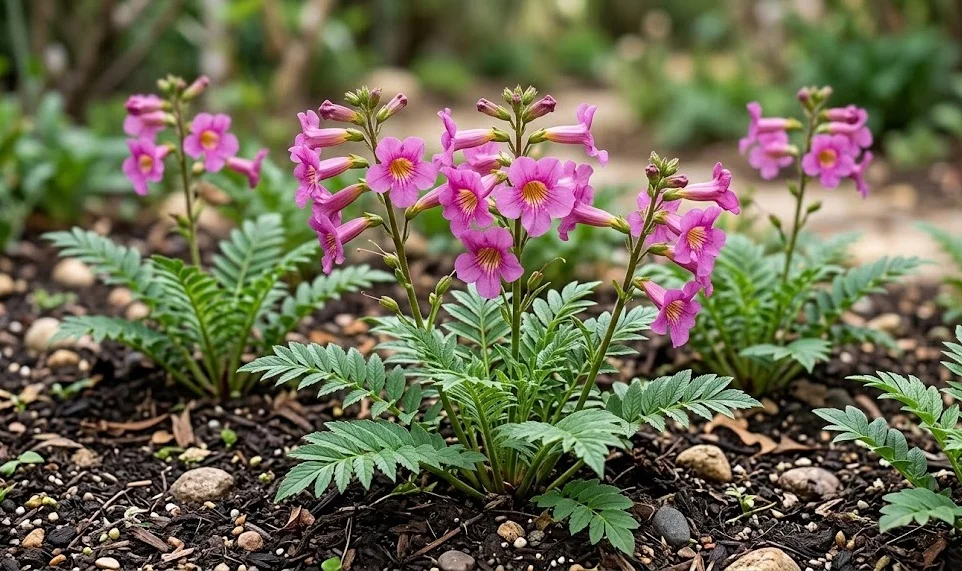

Success in the garden begins with the critical steps of planting and propagation, which lay the groundwork for a healthy and long-lived specimen. The chinese trumpet flower is a unique perennial that requires specific attention during its initial introduction to your garden to ensure it takes root properly. If you are starting from seeds or trying to expand your collection through division, understanding the biological requirements of the plant is essential. A professional approach to these early stages will prevent common failures and result in a more robust and beautiful floral display.
The timing of your planting activities is just as important as the technique you use to place the plant in the ground. For most climates, the best time to plant or propagate is during the early spring when the soil begins to warm but before the plant has started its main growth spurt. This allows the roots to settle into their new home before the energy demands of the flowering season begin. Avoid planting during periods of extreme heat or drought, as the stress can be fatal to young or newly divided plants.
Preparing the site involves more than just digging a hole; it requires creating a hospitable environment for the deep taproot to expand. You should clear the area of any perennial weeds and loosen the soil to a depth of at least thirty centimeters. This preparation ensures that the roots can move easily through the earth and access the moisture and nutrients they need. A well-prepared site is the best insurance policy for the long-term health and stability of your garden’s newest additions.
Consistency in care after planting is the final piece of the puzzle for a successful start. Newly planted or propagated specimens require more frequent monitoring than established plants until their root systems are fully functional. You must keep the soil consistently moist but never waterlogged to encourage root growth without causing decay. Once you see new leaves beginning to unfurl, you can be confident that the plant has successfully transitioned to its new environment.
Site selection and soil preparation
Choosing the perfect location for your chinese trumpet flower is the most important decision you will make in the planting process. The plant thrives in a spot that receives plenty of sunlight but is protected from the harshest midday rays in very hot climates. You should also look for a location that is shielded from strong winds, which can damage the large leaves and heavy flower stalks. A well-chosen site reduces the need for future intervention and allows the plant to grow in its most natural form.
More articles on this topic
The soil at the chosen site must be evaluated and improved before any planting takes place. If your garden has heavy, compacted soil, you should incorporate organic matter and grit to create the light, airy structure this species prefers. This improvement should be done over a larger area than just the planting hole to ensure the roots have plenty of space to grow. Proper soil preparation is a labor-intensive task, but it pays dividends in the health and longevity of the plant.
When digging the planting hole, make sure it is twice as wide as the root ball to allow for easy lateral root expansion. The depth should be just enough so that the crown of the plant sits slightly below the soil surface when the hole is filled. Placing the plant too deep can lead to crown rot, while planting it too high can expose the sensitive roots to drying out or frost damage. Precision in planting depth is a hallmark of professional gardening and is critical for this particular species.
After placing the plant in the hole, fill it with a mixture of native soil and high-quality compost, firming it gently with your hands. Avoid stepping on the soil with your feet, as this can cause excessive compaction and damage the fragile root system. Water the area thoroughly immediately after planting to settle the soil and remove any air pockets around the roots. This initial watering is essential for establishing good root-to-soil contact, which is necessary for moisture uptake.
Propagation from seeds
Growing the chinese trumpet flower from seeds is a rewarding process that allows you to produce many plants at a relatively low cost. The seeds usually require a period of cold stratification to break their dormancy and trigger germination. You can achieve this by sowing the seeds in containers in the autumn and leaving them outside over the winter in a protected area. This natural process mimics the plant’s native environment and leads to a higher success rate when spring arrives.
More articles on this topic
If you prefer to start seeds indoors, you can place them in a refrigerator for several weeks before sowing them in a high-quality seed-starting mix. The seeds should be covered with only a thin layer of soil, as they often require some light to germinate properly. Keep the containers in a bright, warm spot and ensure the soil remains moist but not saturated. Patience is required, as germination can sometimes be irregular and take several weeks to occur.
Once the seedlings have developed their first true leaves, they should be transplanted into individual pots to allow their taproots to grow without restriction. It is important to use deep pots for this stage to accommodate the natural vertical growth of the root system. Be very careful when handling the young plants, as their roots are incredibly fragile and easily damaged during the transplanting process. Providing a liquid fertilizer at half-strength can help the seedlings grow more vigorously during this stage.
Before moving your home-grown plants into the garden, they must be gradually hardened off to accustom them to outdoor conditions. Start by placing them outside in a shaded, sheltered spot for a few hours each day, slowly increasing their exposure to sun and wind. This process prevents transplant shock and ensures that the young plants are sturdy enough to survive on their own. Hardening off is a vital step that should never be rushed if you want the best results.
Propagation by division
Dividing an established chinese trumpet flower is the fastest way to create new, flowering-sized plants for your garden. This process is best performed in the early spring just as the first signs of life are appearing at the soil surface. You will need to dig up the entire root mass very carefully, taking care to keep the deep taproots as intact as possible. Use a sharp, clean knife or a garden spade to divide the crown into several sections, ensuring each piece has at least one healthy bud.
The divisions should be replanted immediately to prevent the roots from drying out and to minimize the stress on the plant. Follow the same planting procedures as you would for a new nursery-bought plant, focusing on soil quality and planting depth. It is normal for divided plants to look a bit wilted for a few days as they recover from the procedure. Providing some temporary shade can help the new divisions regain their strength more quickly during the recovery phase.
One of the benefits of division is that it can rejuvenate older plants that may have become less productive over time. By breaking up the old crown and providing fresh soil, you stimulate new growth and often result in a better floral display in the following seasons. However, because this plant has a deep taproot, division should not be done too frequently, as it is a significant disruption to the plant. A good rule of thumb is to consider division every three to five years if the plant shows signs of crowding.
Successfully divided plants will often bloom in their first or second year, providing almost instant gratification compared to growing from seed. This method is also the only way to ensure that the new plants are genetically identical to the parent, preserving specific colors or growth habits. Sharing divisions with fellow gardeners is a wonderful way to spread the beauty of this species within your community. It is a traditional and effective practice that remains a staple of professional horticulture.
Care of newly established plants
The first few months after planting or propagation are the most critical for the long-term survival of the chinese trumpet flower. You must be diligent in checking the soil moisture, especially during dry spells, as the young roots cannot yet access deep water reserves. Applying a thin layer of mulch around the base of the plant can help retain moisture and keep the soil temperature stable. Be careful not to let the mulch touch the crown itself, as this can trap moisture and cause rot.
Monitoring for pests and diseases is also important during this early stage, as young plants are more vulnerable to damage. Slugs and snails are often attracted to the tender new growth of seedlings and divisions, so you should take steps to protect them. Regular inspections in the early morning or evening will help you spot these intruders before they can cause significant harm. Keeping the area around the new plants clean and free of debris will also reduce the hiding spots for these pests.
You should avoid applying heavy amounts of fertilizer to newly planted specimens, as this can burn the sensitive new roots. Instead, focus on providing a healthy soil environment and allow the plant to establish itself naturally. Once the plant shows strong, steady growth, you can begin a light feeding schedule to support its development. The goal in the first year is to build a strong foundation rather than forcing rapid top growth or heavy flowering.
If you notice that a newly planted flower is struggling, try to identify the cause before taking drastic action. Sometimes a simple adjustment in watering or providing a bit of shade is all that is needed to help the plant recover. Patience is a virtue in gardening, and giving the plant time to adjust to its new home is often the best course of action. With proper care and attention, your new plants will soon become a permanent and beautiful part of your garden landscape.