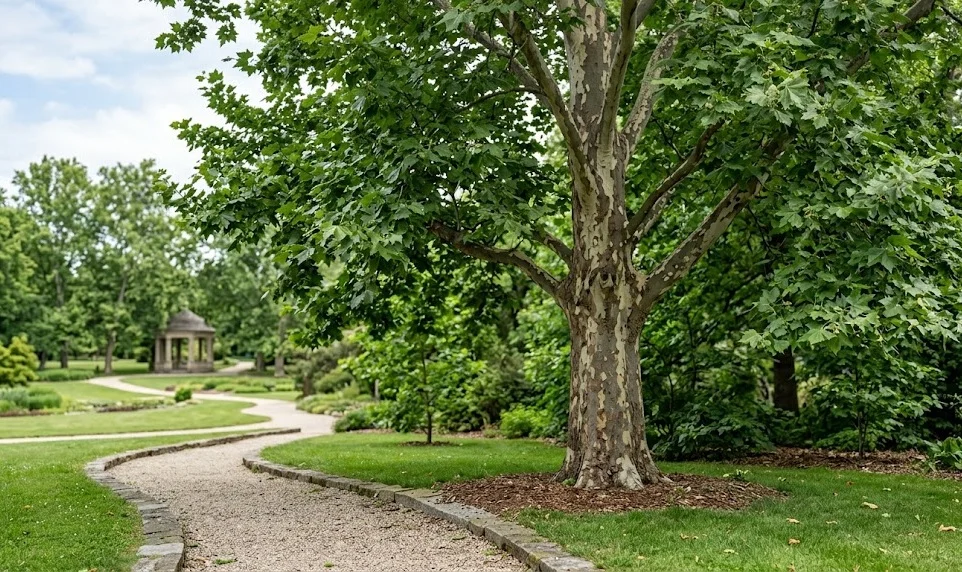

Pruning the London plane is both an art and a science that requires a clear understanding of the tree’s growth habits and its long-term structural goals. This species is famous for its tolerance of heavy pruning, which has made it a staple for pollarding in European cities for centuries. Whether you are aiming for a natural, expansive canopy or a more formal, controlled shape, the timing and technique of your cuts are paramount. Professional pruning not only enhances the tree’s appearance but also removes potential hazards and stimulates healthy new growth in the coming seasons.
The primary reason for pruning a young London plane is to establish a strong central leader and a well-spaced framework of primary scaffold branches. Removing competing leaders and crossing branches early in the tree’s life prevents many of the structural problems that are difficult to correct once the tree is large. Each cut should be made with sharp, sterilized tools to ensure a clean wound that the tree can quickly seal with its natural defensive tissues. A “less is more” approach is often best for young trees, as they need as much leaf surface area as possible to fuel their initial rapid growth.
Timing and seasonal considerations
The dormant season, typically late winter or very early spring, is the ideal time for most major pruning operations on the London plane. During this period, the tree’s structure is fully visible without the obscuring leaves, making it easier to identify damaged or poorly placed branches. Pruning while the tree is dormant also minimizes the loss of sap and reduces the risk of attracting certain pests that are active during the warmer months. It allows the tree to direct its first flush of spring energy toward sealing the pruning wounds and producing new, vigorous growth.
Summer pruning is generally limited to the removal of “water sprouts,” which are thin, vertical shoots that often grow from the trunk or main branches. These sprouts consume the tree’s energy without contributing significantly to its structural strength or aesthetic beauty and should be removed as they appear. Occasionally, light thinning of the outer canopy in mid-summer can help improve air circulation and light penetration if the foliage has become excessively dense. However, heavy pruning during the heat of summer should be avoided, as it can stress the tree and lead to sunscald on newly exposed interior branches.
Techniques for structural health
When removing a large branch, it is essential to use the “three-cut method” to prevent the weight of the limb from tearing the bark down the trunk. The first cut is made on the underside of the branch, followed by a second cut further out to remove the bulk of the weight, and a final finishing cut at the branch collar. The branch collar is the swollen area where the branch meets the trunk, and it contains the specialized cells responsible for healing the wound. Never cut flush against the trunk, as this removes the collar and significantly slows the tree’s ability to recover from the intervention.
More articles on this topic
Pollarding is a traditional pruning technique where the main branches are cut back to “heads” or “knobs” every one to two years to maintain a specific size and shape. This method requires a long-term commitment, as the tree will produce a dense thicket of new shoots from the pollard heads every spring. If you choose to pollard a London plane, the process must begin when the tree is young and continue regularly throughout its entire life. This technique is particularly useful in restricted urban spaces where a full-sized London plane would simply be too large for its surroundings.
Safety and professional intervention
Pruning large, mature London planes is a high-risk activity that often requires specialized climbing equipment and chainsaws. Homeowners should never attempt to prune large limbs themselves, as the weight and unpredictable fall patterns of the wood can be extremely dangerous. A certified arborist has the training and equipment to perform these tasks safely while also assessing the overall health of the tree. They can identify subtle signs of decay or structural weakness that might be missed by an untrained eye, ensuring the tree remains a safe and beautiful asset.
After any significant pruning, it is important to monitor the tree’s response and provide supplemental water if the weather is dry. The tree will need extra resources to seal its wounds and to push out the new growth that typically follows a pruning session. Avoid the use of “wound dressings” or paints, as modern research has shown that these products actually trap moisture and can encourage fungal decay. The London plane is perfectly capable of healing itself if the cuts are made correctly and the tree is kept in a high state of overall health.