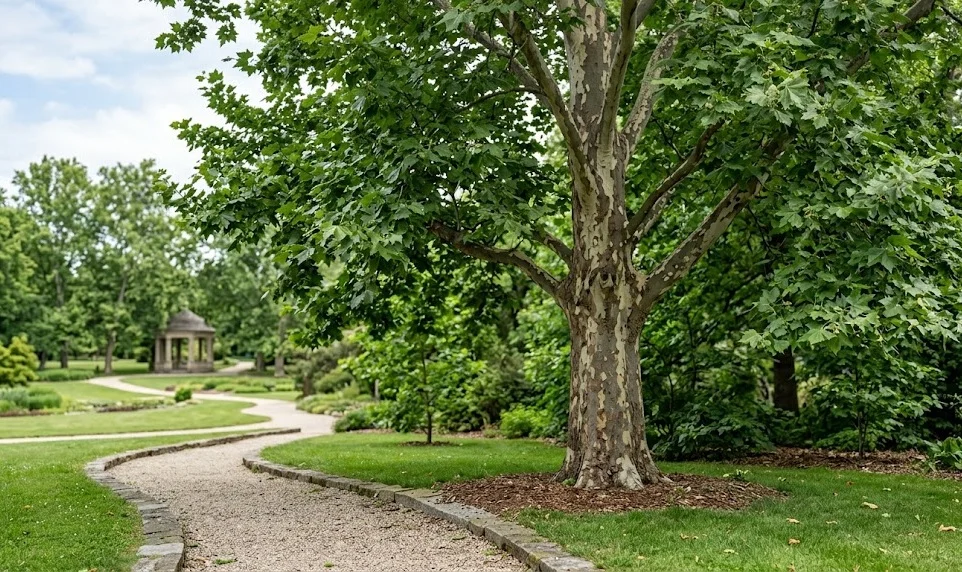

Maintaining the health of a London plane requires a vigilant eye for the various biological threats that can impact its growth and structural integrity. While this tree is exceptionally hardy, it is not immune to specific fungi and insects that have evolved to exploit its unique physiology. A professional integrated pest management strategy focuses on early detection and the use of the least invasive treatments possible to protect the tree. Understanding the life cycles of these common threats allows for more effective timing of any necessary interventions or chemical applications.
Fungal infections are among the most common issues faced by the London plane, especially in humid or poorly ventilated urban canyons. Anthracnose is a frequent visitor in the spring, causing unsightly leaf spotting and occasionally the death of young twigs during cool, wet weather. While this disease rarely kills a healthy mature tree, it can significantly reduce its aesthetic appeal and overall vigor if left unchecked. Proper sanitation, such as removing and destroying fallen leaves, is a simple but effective way to reduce the amount of overwintering fungal spores in the area.
Managing common fungal pathogens
Powdery mildew is another common fungal issue that presents as a white, dusty coating on the surface of the leaves during the summer months. This condition is often exacerbated by high humidity and poor air circulation within the dense canopy of a well-grown London plane. While primarily a cosmetic problem, a severe infection can interfere with photosynthesis and cause the leaves to become distorted or drop prematurely. Pruning to open up the canopy and improve airflow is often the most effective long-term solution for managing this persistent fungal guest.
Canker diseases represent a more serious threat as they can cause significant damage to the bark and the underlying vascular tissue of the tree. These infections often enter through wounds caused by improper pruning, mechanical damage, or extreme weather events such as hail. Once established, a canker can girdle a branch or even the main trunk, leading to the death of everything beyond the site of infection. Professional arborists must carefully remove infected wood and sanitize their tools between every cut to prevent spreading the pathogen to healthy parts of the tree.
Identifying and controlling insect pests
The sycamore lace bug is a tiny insect that feeds on the undersides of the leaves, causing a distinctive stippling or bronzing effect. These pests are particularly active during hot, dry summers and can produce multiple generations in a single growing season if conditions are favorable. Large populations can cause significant leaf drop, which stresses the tree and reduces its ability to store energy for the coming winter. Targeted applications of insecticidal soaps or horticultural oils can provide effective control while minimizing the impact on beneficial predatory insects.
More articles on this topic
Aphids are another frequent inhabitant of the London plane, often found clustering on the tender new growth in the early spring. These insects secrete a sticky substance known as honeydew, which can coat the leaves and anything located beneath the tree’s expansive canopy. This honeydew often becomes a breeding ground for sooty mold, a black fungus that further reduces the tree’s beauty and its ability to photosynthesize. Encouraging natural predators like ladybugs and lacewings into the garden can help keep aphid populations at manageable levels without the need for harsh chemicals.
Environmental and abiotic stressors
Not all problems affecting the London plane are biological in nature; many are caused by environmental factors or human activity. Salt damage is a common issue in colder climates where de-icing agents are used on nearby roads and sidewalks during the winter months. This salt can accumulate in the soil, causing root damage and “marginal scorch” on the leaves as the tree absorbs the toxic minerals. Flushing the soil with large amounts of fresh water in the spring can help leach the salt away from the root zone and minimize the damage.
Air pollution and soil compaction also act as chronic stressors that weaken the tree’s natural immune system and make it more susceptible to pests. In industrial areas, the accumulation of heavy metals and particulates can interfere with the tree’s delicate physiological balances over time. Regular soil testing and professional aeration can mitigate some of these urban pressures, providing the tree with a cleaner and more supportive environment. Understanding the synergy between environmental health and pest resistance is a core component of professional arboriculture and long-term tree management.
Professional diagnostic and treatment plans
When a tree shows signs of decline that cannot be easily identified, a professional diagnostic service should be consulted to determine the exact cause. Samples of leaves, bark, or even roots may be sent to a specialized laboratory for fungal cultures or chemical analysis. Once the pathogen or pest has been positively identified, a targeted treatment plan can be developed to address the specific issue. This might include the use of systemic fungicides, trunk injections, or specific cultural changes to the tree’s growing environment.
More articles on this topic
Long-term health is best achieved through a proactive approach that prioritizes tree vigor over reactive chemical treatments. A healthy, well-watered, and properly fertilized London plane is much better equipped to fight off infections and recover from pest attacks. Regular inspections by a qualified arborist can catch problems in their earliest stages when they are most easily and cheaply managed. Investing in the health of these grand trees ensures they will continue to provide shade, beauty, and environmental benefits for many decades to come.