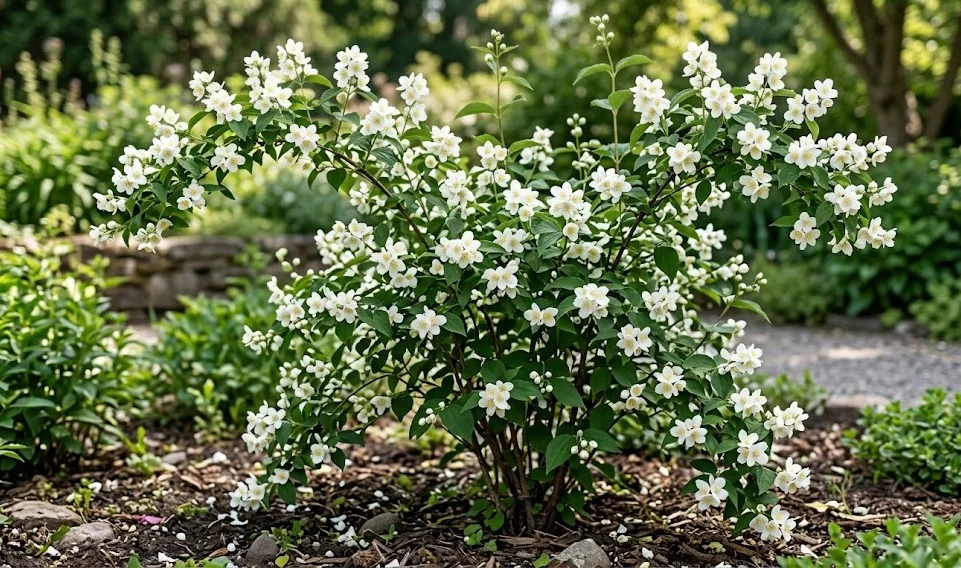

Establishing a new mock orange in your garden begins with a thoughtful planting process and an understanding of its reproductive potential. This versatile shrub can be introduced as a container-grown plant or started from various types of cuttings. The success of your planting project depends heavily on the timing and the initial care provided during the first few weeks. By following professional techniques, you can ensure that your new addition develops a strong root system and a healthy structure.
Choosing the right specimen
When selecting a mock orange from a nursery, look for a plant with a well-balanced structure and vibrant foliage. Avoid specimens that appear root-bound in their containers or show signs of significant pest damage. A healthy plant will have flexible branches and a root system that fills the pot without circling the edges excessively. Choosing a high-quality starter plant is the first step toward a successful long-term investment in your landscape.
Consider the ultimate size of the specific variety you are purchasing before you take it home. Some cultivars stay relatively compact, while the standard species can reach heights of nearly ten feet. Knowing the growth habits of your chosen plant ensures that it will fit the intended space in your garden. This prevents the need for excessive pruning later in the plant’s life, which can sometimes stress the shrub.
Inspect the soil in the nursery container to see if it has been properly maintained and watered. If the soil is pulling away from the sides of the pot, the plant may have suffered from chronic dehydration. While these shrubs are hardy, early stress can delay their establishment once they are moved to the ground. A plant that has been kept in optimal conditions will transition much more smoothly to its new home.
The best time to purchase and plant is during the cooler months of early spring or mid-autumn. Planting during these windows allows the root system to settle in before the extreme temperatures of summer or winter arrive. If you must plant during the summer, be prepared to provide much more intensive watering care. However, for the best results, aim for the natural transition periods when the plant’s metabolic rate is moderate.
More articles on this topic
Step-by-step planting process
The first physical step in planting is digging a hole that is at least twice as wide as the current root ball. This extra space allows you to backfill with loose, enriched soil that the new roots can easily penetrate. The depth of the hole should be exactly the same as the height of the root ball in the container. Planting too deep can suffocate the stem, while planting too shallow can cause the roots to dry out.
Once the hole is prepared, gently remove the shrub from its pot and loosen any tight roots by hand. If the roots are very dense, you can make a few shallow vertical cuts to encourage them to grow outward. Place the plant in the center of the hole and ensure that it is standing perfectly upright. This is the moment to check the “good side” of the plant and orient it toward your primary viewing area.
Backfill the hole with a mixture of the native soil and a small amount of organic compost. You should tamp the soil down firmly with your hands to remove any large air pockets around the roots. Do not use your feet to pack the soil, as this can lead to over-compaction and hinder water penetration. Ensuring good soil-to-root contact is vital for the plant to begin absorbing moisture from its new environment.
Immediately after planting, give the shrub a thorough watering to settle the soil and provide a hydration boost. Apply a layer of mulch around the base, making sure to keep it away from the actual stem of the plant. This mulch layer helps maintain consistent soil moisture and temperature during the critical establishment phase. Your new mock orange is now ready to begin its life in your garden, requiring only regular monitoring.
More articles on this topic
Cuttings and vegetative methods
Propagating a mock orange from cuttings is an excellent and cost-effective way to expand your garden collection. Softwood cuttings taken in early summer are usually the most successful for the home gardener. You should select healthy, non-flowering shoots that are about four to six inches long for this purpose. These young, flexible stems have the highest concentration of growth hormones and root relatively quickly.
Remove the lower leaves from the cutting and dip the base into a rooting hormone powder if available. Place the cuttings in a pot filled with a well-draining medium, such as a mix of peat and perlite. Keeping the humidity high around the cuttings is essential, so consider covering them with a clear plastic dome. Place the pot in a bright spot but away from direct sunlight to prevent the cuttings from overheating.
Hardwood cuttings are another viable option and are typically taken during the dormant season in late winter. These cuttings should be taken from mature wood of the previous year’s growth and are usually longer than softwood cuttings. You can insert these directly into a prepared outdoor bed or into deep pots kept in a cold frame. While they take longer to root than softwood cuttings, they are often more resilient to environmental changes.
Layering is a more passive method of propagation that works well with the flexible branches of this shrub. You can bend a low-growing branch to the ground, injure a small section of the bark, and bury it under a few inches of soil. Secure the branch with a landscape staple and keep the area moist until roots form at the buried point. Once a strong root system has developed, you can sever the new plant from the parent and move it.
Establishing young plants
The first year of a mock orange’s life in your garden is the most critical for its long-term survival. You must be diligent about watering, especially during the first few months after planting. The goal is to keep the soil consistently moist but never saturated, allowing the roots to expand into the surrounding earth. Young plants have limited water reserves and can quickly wilt if the soil dries out completely.
Weed control around the base of a young shrub is important to reduce competition for resources. Grass and aggressive weeds can quickly sap nutrients and moisture away from the developing root zone. Maintain a clear, mulched circle around the plant to provide a dedicated space for its growth. This also protects the young stems from accidental damage caused by lawnmowers or string trimmers.
Avoid the temptation to prune a newly planted mock orange during its first two growing seasons. The plant needs all its foliage to produce energy through photosynthesis and build a strong root system. You should only remove branches that are clearly dead, diseased, or broken during the initial establishment phase. Allowing the plant to grow freely at first leads to a more robust and vigorous shrub in the long run.
Monitoring for pests is especially important for young plants, as they are less resilient than mature specimens. Aphids are particularly fond of the tender new growth found on establishing mock oranges. If you notice a heavy infestation, a sharp stream of water or a mild insecticidal soap is usually sufficient. Keeping the plant healthy and stress-free is the best defense against any potential biological threats.