
Maintaining the health of this vigorous climber requires a deep understanding of its natural habitat and growth cycles. Many gardeners struggle because they underestimate the speed at which this plant can expand across a vertical surface. Consistent observation is the primary tool for any successful horticulturalist working with these fragrant vines. Ensuring that the basic requirements are met early on will prevent a multitude of issues during the peak growing season.
Soil quality remains a cornerstone of successful cultivation when dealing with this specific species. It thrives in well-drained, loamy substrates that retain enough moisture without becoming waterlogged or anaerobic. Adding organic matter such as well-rotted compost can significantly improve the soil structure and nutrient profile. This preparation allows the root system to establish itself firmly and provide the necessary support for the heavy foliage above.
Air circulation is an often overlooked factor that determines the longevity of the plant’s health. When the vines become too dense, they trap humidity, which creates a perfect breeding ground for various fungal pathogens. Selecting a location where wind can move freely through the leaves is essential for natural disease prevention. You should also consider the orientation of the trellis to maximize airflow throughout the entire structure.
Monitoring the environmental conditions throughout the year is necessary for adapting your care routine. As temperatures fluctuate, the plant’s metabolic rate changes, requiring different levels of attention and resource allocation. Professional gardeners keep detailed logs of growth patterns to predict future needs more accurately. This proactive approach ensures that the vine remains a stunning centerpiece in the garden for many years.
Establishing a baseline for routine maintenance
The early spring months represent the most critical period for setting the tone of the entire growing season. As the sap begins to rise, the plant prepares for a massive energy expenditure to produce new shoots and blossoms. You must ensure that any remaining debris from the previous year is cleared away to prevent pest overwintering. This clean start provides the vine with the best possible chance to dominate its designated space.
More articles on this topic
Maintaining a clean environment around the base of the plant helps in monitoring for early signs of stress or infestation. Mulching can be highly beneficial, but it must be applied correctly to avoid trapping too much moisture against the stem. A thin layer of bark or straw can help regulate soil temperature during the transition from winter to spring. This layer also suppresses weed growth that might otherwise compete for vital nutrients.
Vertical support structures should be inspected for stability before the heavy growth phase begins in earnest. The weight of a fully mature vine can be substantial, especially after a heavy rain or during high winds. Reinforcing old trellises or replacing rusted wires ensures that the plant does not collapse under its own weight. It is much easier to fix structural issues when the plant is still relatively dormant and less heavy.
Observation of the leaf development can provide immediate feedback on the health of the root system. If the new growth appears pale or stunted, it may indicate a lack of nitrogen or poor soil aeration. Professional growers often use foliar sprays to provide a quick boost during this sensitive stage of development. However, these treatments should only supplement a solid foundation of healthy soil and proper site selection.
Seasonal adjustments for optimal growth
During the height of summer, the primary focus shifts toward maintaining hydration and preventing heat-related stress. High temperatures can cause the leaves to wilt even if the soil is relatively moist, as the evaporation rate exceeds the roots’ ability to transport water. Providing some temporary shade during the hottest part of the afternoon can alleviate some of this physiological pressure. This is particularly important for younger specimens that have not yet developed an extensive root network.
More articles on this topic
As the blooming period concludes, the plant begins to transition its energy toward seed production and stem lignification. If you are not planning to harvest seeds, deadheading the spent flowers can redirect this energy back into vegetative growth. This practice also helps maintain a tidy appearance and can sometimes stimulate a smaller second flush of blooms. Understanding these transitions allows for more precise intervention in the plant’s natural life cycle.
Autumn brings a slowing of growth and a preparation for the cold months ahead, requiring a different set of priorities. You should reduce the intensity of any feeding programs to avoid stimulating soft, new growth that will easily succumb to frost. The goal is to encourage the existing wood to harden and mature properly before the first freeze. This natural hardening process is vital for the overall winter hardiness of the entire vine.
Record keeping during these seasonal shifts helps in identifying patterns that are unique to your specific garden microclimate. Note the dates of the first and last blooms, as well as any significant weather events that impacted growth. This data becomes invaluable over several years, allowing for a more refined and professional approach to plant care. Knowledge of these nuances separates the casual hobbyist from the dedicated gardening expert.
Managing the vertical space effectively
Training the vines to grow in a specific direction is essential for both aesthetic reasons and the long-term health of the plant. Without guidance, the stems can become an impenetrable tangle that blocks light from reaching the inner portions of the foliage. Using soft ties to secure the leading shoots to the support structure will help distribute the weight evenly. This also ensures that the most productive stems receive the maximum amount of sunlight available.
The choice of support material can influence how the plant interacts with its environment and how easily it can be managed. Wood, metal, and plastic all have different thermal properties that can affect the stems during extreme weather. For instance, metal trellises can become very hot in the sun, potentially scorching tender new growth that comes into direct contact with them. Selecting a material that balances durability with plant safety is a key consideration for any long-term installation.
Spacing between multiple plants is another critical factor that determines the success of a vertical gardening project. Giving each vine enough room to expand without competing for light or air ensures a more uniform appearance. Overcrowding often leads to the lower leaves dropping off, leaving the bottom of the structure looking bare and unsightly. Professional designs always account for the eventual mature size of the species rather than just the initial planting size.
Regularly thinning out some of the older or weaker stems can improve the overall vigor of the entire specimen. This allows more resources to be allocated to the most productive parts of the plant, resulting in larger and more fragrant flowers. It also improves light penetration, which is necessary for the development of healthy buds deep within the canopy. Managing the density of the foliage is a continuous process throughout the active growing months.
Enhancing the aesthetic appeal of the garden
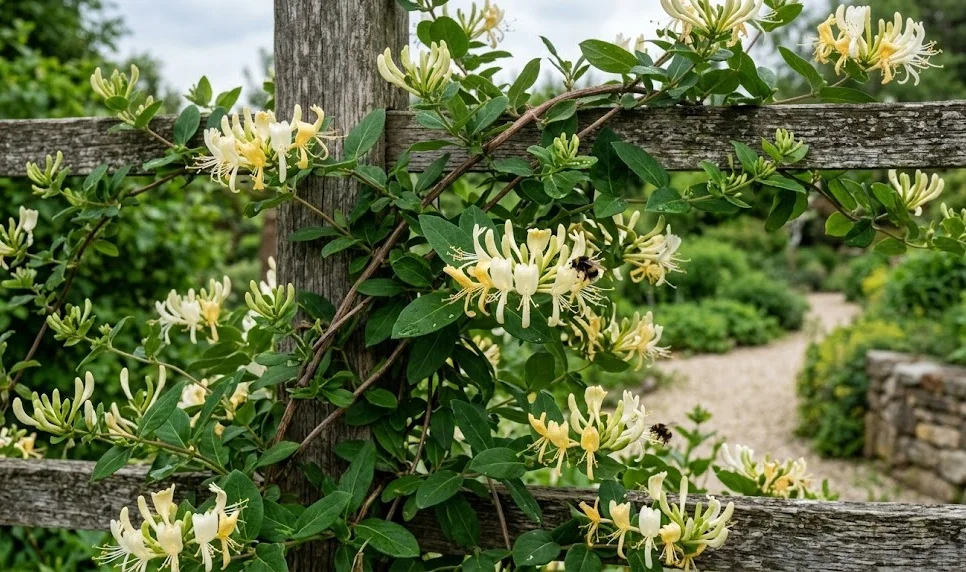
The primary reason most people choose this climber is for its incredible fragrance and beautiful, tubular flowers. Maximizing the floral display requires a combination of proper nutrition, light management, and strategic pruning. Placing the plant near a walkway or a seating area allows the scent to be fully appreciated by anyone nearby. The fragrance is often most intense in the evening, making it a perfect addition to a nighttime garden design.
The color of the foliage can also be a significant aesthetic asset if the plant is kept in peak condition. Healthy leaves should be a deep, vibrant green with a slightly waxy texture that reflects the sunlight. Any yellowing or spotting will quickly detract from the visual impact of the entire structure. Maintaining a consistent care routine ensures that the backdrop for the flowers remains as beautiful as the blooms themselves.
Integrating other plants at the base of the climber can create a more layered and professional look in the garden. Low-growing perennials or annuals can hide the often woody and bare lower stems of an older vine. These companion plants can also help keep the root zone of the climber cool by providing natural shade to the soil. Choosing companions with similar water and light requirements will simplify the overall maintenance of the bed.
The way the vine interacts with other garden features, such as arches or fences, can define the entire atmosphere of a space. A well-maintained Italian woodbine can soften hard architectural lines and create a sense of lushness and maturity. It acts as a living bridge between the ground level and the upper reaches of the garden landscape. Achieving this balance requires a keen eye for design and a commitment to regular horticultural care.
Addressing environmental stressors and resilience
Extreme weather events, such as prolonged droughts or unexpected cold snaps, test the resilience of even the hardiest vines. Developing a strategy for these occurrences involves both preventative measures and rapid response techniques. Deep watering before a predicted heatwave can provide a moisture reservoir that the roots can tap into during the peak stress. Similarly, mulching can protect against sudden temperature drops that might damage the root crown.
Urban environments often present unique challenges, such as poor air quality or reflected heat from nearby buildings. This species is relatively tolerant of these conditions, but it still requires extra attention to thrive in such settings. Regular rinsing of the foliage can remove dust and pollutants that might otherwise clog the stomata and hinder photosynthesis. Monitoring for signs of urban-specific stress, like leaf scorch from glass reflections, is part of professional city gardening.
The adaptability of the plant to different soil pH levels is one of its most useful characteristics for diverse landscapes. While it prefers slightly acidic to neutral soil, it can often tolerate mild alkalinity if other needs are met. If you suspect the soil chemistry is inhibiting growth, a professional soil test is the best way to determine the necessary amendments. Correcting these imbalances slowly and steadily is much safer than making drastic chemical changes all at once.
Building long-term resilience is about more than just reacting to problems as they arise; it is about creating a robust system. A plant that has been consistently cared for will have the energy reserves necessary to survive a difficult season. This includes maintaining a healthy root-to-shoot ratio and ensuring the plant is never completely depleted of nutrients. High-level gardening focuses on sustainability and the enduring health of the botanical collection.
Integrating professional techniques into daily care
Using the right tools for maintenance tasks can make a significant difference in the health and appearance of the vine. Sharp, sterilized bypass pruners ensure clean cuts that heal quickly and do not invite pathogens into the vascular system. Investing in high-quality equipment is a hallmark of a professional approach to gardening. Always clean your tools after each use to prevent the accidental spread of diseases between different plants.
Advanced fertilization techniques, such as deep-root feeding or the use of slow-release granules, provide more consistent results than traditional methods. These approaches ensure that the nutrients reach the area where they are most needed without being washed away by surface runoff. Tailoring the nutrient mix to the specific stage of the plant’s life cycle maximizes the efficiency of the application. This level of precision is what defines expert horticultural management.
Sustainable practices, such as composting garden waste and using rainwater for irrigation, contribute to the overall health of the local ecosystem. The Italian woodbine can be part of a biodiversity-friendly garden by providing habitat and food for pollinators. Avoiding the use of harsh synthetic chemicals protects these beneficial insects and ensures a more natural balance in the garden. Professional gardeners often lead the way in implementing these environmentally conscious strategies.
Continuous learning and staying updated on the latest horticultural research are essential for any dedicated plant enthusiast. New varieties and improved care techniques are constantly being developed by experts around the world. By applying this knowledge to your own garden, you can achieve results that are both beautiful and scientifically sound. Excellence in gardening is a journey of constant discovery and refinement of one’s skills.