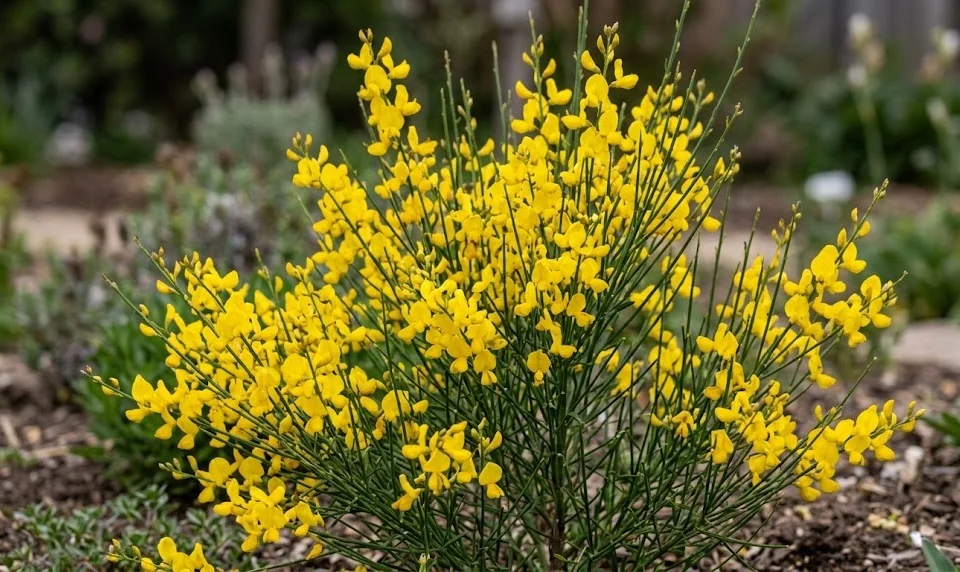

Maintaining the health of Spanish broom involves vigilant monitoring for the various biological pressures that can affect its growth and appearance. While this shrub is notably rugged and resistant to many common garden ailments, it is not entirely immune to specialized pests and environmental pathogens. A professional approach to plant health starts with the understanding that a stressed plant is far more vulnerable than a thriving one. Identifying potential issues early is the most effective way to prevent minor problems from becoming major infestations.
The unique structure of the Spanish broom, with its dense clusters of green stems and minimal foliage, provides specific habitats for certain insects. Sucking pests and wood-boring larvae are among the primary concerns for gardeners who want to preserve the aesthetic integrity of their shrubs. Fungal issues often arise when the environmental conditions become too damp or when air circulation is severely restricted around the base of the plant. Maintaining an open, sunny environment is the best preventative measure against the majority of these biological challenges.
Human intervention in pest management should always be measured and targeted to minimize impact on the broader garden ecosystem. Using broad-spectrum chemicals can often do more harm than good by killing off the beneficial predators that keep pest populations in check. Organic and mechanical controls are usually sufficient for managing the common issues associated with this particular species. A clean garden environment and proper pruning practices further reduce the likelihood of significant disease outbreaks.
Regular inspections should be a standard part of the gardener’s routine, focusing on the tips of new growth and the main woody stems. Changes in color, the presence of unusual residues, or visible structural damage are all signs that something may be wrong. Understanding the life cycles of common pests allows for the most effective timing of any necessary treatments. This professional level of care ensures that the Spanish broom remains a vibrant and healthy feature of the landscape for its entire lifespan.
Common insect pests and their management
Aphids are perhaps the most frequent visitors to the succulent new growth of the Spanish broom during the spring and early summer. These small, soft-bodied insects congregate in large numbers to suck the nutrient-rich sap from the tender green stems. While a few aphids are usually harmless, a large infestation can cause the growth tips to become distorted or stunted. A strong blast of water from a garden hose is often enough to dislodge them without the need for any chemical sprays.
More articles on this topic
Scale insects can be more difficult to detect as they often blend in with the texture and color of the woody branches. They appear as small, stationary bumps that protect themselves with a waxy or hard outer shell while feeding on the plant’s internal fluids. If left unchecked, scale can weaken individual branches and lead to localized dieback of the green stems. Pruning out heavily infested wood or using a horticultural oil during the dormant season are effective ways to manage these persistent pests.
Spider mites may become a problem during periods of hot, dry weather when the plant is already under some degree of environmental stress. They are nearly invisible to the naked eye but can be identified by the fine, silken webbing they leave between the slender branches. Their feeding causes a characteristic stippling or bronzing of the green tissues, reducing the plant’s overall photosynthetic efficiency. Increasing the humidity around the plant or using targeted insecticidal soaps can help bring mite populations back under control.
The broom moth caterpillar is a specialized pest that can occasionally cause significant defoliation or stem damage in some regions. These larvae feed voraciously on the green parts of the plant, sometimes stripping entire sections of the shrub in a short period. Hand-picking the caterpillars is a simple and effective solution for small gardens where the number of plants is manageable. For larger plantings, encouraging natural predators like birds and parasitic wasps provides a more sustainable long-term solution to caterpillar outbreaks.
Fungal diseases and environmental pathogens
Root rot is the most serious disease affecting Spanish broom and is almost always a result of poorly drained soil or over-irrigation. It is caused by various soil-borne fungi that thrive in anaerobic, waterlogged conditions where the roots are deprived of oxygen. The first signs are often a general lack of vigor followed by a rapid yellowing and wilting of the entire shrub. Unfortunately, once root rot has reached an advanced stage, the plant is usually impossible to save and must be removed.
More articles on this topic
Powdery mildew can occasionally appear on the stems if the plant is grown in a location with poor air circulation and high humidity. It manifests as a white, flour-like coating that can interfere with the plant’s ability to process sunlight and breathe. While rarely lethal, it can be unsightly and may weaken the plant if it covers a large percentage of the green surface. Improving air flow through selective pruning and ensuring the plant receives full sun are the best ways to eliminate this fungal issue.
Canker-forming fungi can enter the plant through wounds caused by improper pruning, mechanical damage, or extreme weather events. These pathogens cause localized areas of dead bark and underlying wood, which can eventually girdle and kill the affected branch. It is important to always use sharp, sterilized tools when cutting the wood to minimize the risk of introducing these infections. Any branches showing signs of canker should be pruned back to healthy wood well below the visible site of the infection.
Rust is another fungal disease that may present as small, orange or brown pustules on the green stems during damp weather. Like mildew, it is more of an aesthetic issue unless the infection becomes exceptionally severe across the entire specimen. Keeping the area around the base of the plant free of fallen debris reduces the number of spores that can over-winter and re-infect the plant. Most healthy plants in sunny, breezy locations will naturally resist significant rust outbreaks without any intervention.
Preventative measures and garden hygiene
The foundation of a healthy garden is the practice of good hygiene and the maintenance of a clean growing environment. Removing fallen stems and spent flowers from the base of the plant eliminates the hiding places for many pests and the source of fungal spores. This simple task also allows you to inspect the crown of the shrub for any early signs of trouble that might be hidden by debris. A tidy garden is not just about appearance; it is a vital part of a professional pest and disease management strategy.
Choosing the right location for the plant is the most effective preventative measure you can take against almost all common ailments. A plant that is receiving its full requirement of sunlight and has excellent drainage will have a much stronger immune system. It can produce its own defensive chemicals to repel insects and heal quickly from minor fungal infections. Avoiding the stress of improper siting is the secret to growing a truly resilient and long-lived Spanish broom.
Quarantining new plants before adding them to your established garden can prevent the accidental introduction of exotic pests or diseases. A quick inspection at the nursery is often not enough to catch hidden larvae or dormant fungal spores. Keeping a new specimen in a separate area for a few weeks allows any latent issues to become visible where they can be treated easily. This professional precaution protects the rest of your landscape from potentially devastating and costly outbreaks.
Encouraging biodiversity in the garden creates a natural system of checks and balances that keeps pest populations at a manageable level. Planting a variety of nectar-rich flowers nearby attracts ladybugs, lacewings, and predatory wasps that feed on aphids and mites. These “gardeners’ assistants” work around the clock to protect your plants without any effort on your part. A healthy, diverse ecosystem is the most sustainable and effective way to manage the biological challenges of the Spanish broom.
Organic and mechanical control methods
For many common insect pests, mechanical removal is the safest and most direct way to handle a burgeoning problem. Using a firm jet of water to knock aphids off the stems is often more effective than many chemical treatments. For larger pests like caterpillars or beetles, simply picking them off by hand and disposing of them is a highly targeted solution. These methods have zero impact on the environment and allow you to stay in close contact with the health of your plants.
Horticultural soaps and oils are excellent organic options for treating more persistent issues like scale or spider mites. These products work by physically smothering the insects rather than poisoning them, which means they are less likely to lead to chemical resistance. They should be applied during the cooler parts of the day to avoid any risk of leaf burn under the hot sun. Always read the labels carefully to ensure the product is suitable for use on the specific type of plant you are treating.
Neem oil is a versatile organic treatment that has both insecticidal and fungicidal properties, making it a valuable tool for the gardener. It can help manage aphid populations while also providing a layer of protection against powdery mildew and rust. It is derived from a natural source and breaks down quickly in the environment without leaving harmful residues. Consistent application every few weeks during the peak growing season can keep many common issues at bay.
Sticky traps and pheromone lures can be used to monitor for the arrival of specific pests so that action can be taken at the ideal moment. These tools provide a clear picture of which insects are present in the garden and in what numbers they are operating. This information allows for a more professional and data-driven approach to pest management, avoiding unnecessary treatments. Monitoring is an essential part of an integrated pest management strategy that prioritizes the health of the entire garden.
Managing severe infestations and recovery
If a Spanish broom becomes severely compromised by a disease or pest, it may be necessary to take more drastic measures to save the plant. Heavy pruning to remove the most affected areas can give the shrub a chance to push out new, healthy growth from the base. This should be combined with a thorough evaluation of the growing conditions to see if any environmental improvements can be made. Providing a little extra care during the recovery period, such as careful watering, can help the plant regain its strength.
In cases where a soil-borne disease like root rot is suspected, it is vital to act quickly to prevent the spread to neighboring plants. Removing the infected shrub along with a portion of the surrounding soil is often the only way to sanitize the area. You should avoid planting another broom or related species in the same spot for several years to allow the pathogen levels to decline. This professional decision, though difficult, is often necessary to protect the long-term health of the entire garden bed.
After a major pest outbreak has been controlled, it is important to monitor the plant closely for any signs of a secondary infection. Weakened tissues are often more susceptible to fungi and bacteria that would normally be ignored by a healthy specimen. A gentle application of a liquid kelp fertilizer can help boost the plant’s natural defenses during the transition back to health. Recovery is a slow process, and the gardener should be patient as the plant rebuilds its structural and metabolic reserves.
Documenting the timing and nature of any significant issues helps you become a more effective gardener in future seasons. You may notice patterns that are linked to specific weather events or times of the year, allowing you to take preemptive action next time. Learning from these challenges is a key part of developing the expertise needed to manage a professional-quality landscape. A well-documented history of plant health is a valuable resource for any serious horticultural enthusiast.