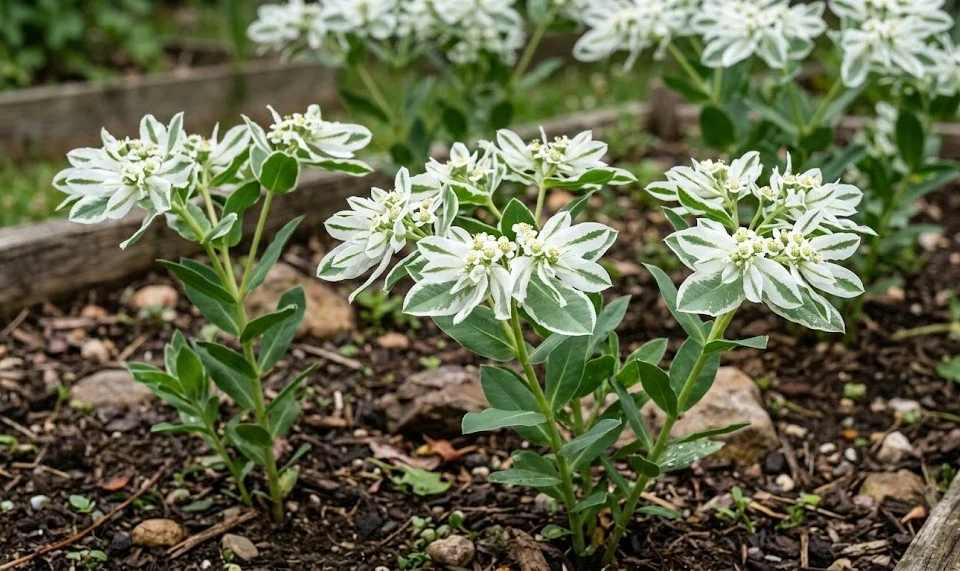

Keeping your garden free from pests and diseases is a continuous task that requires vigilance and a proactive approach to plant health. Snow-on-the-mountain is generally resistant to many common problems, but it is not entirely immune to environmental stressors. Understanding what to look for will allow you to intervene early and save your plants from significant damage. A healthy plant is always the best defense against the various organisms that might try to take advantage of it.
Common fungal infections
Powdery mildew is one of the most frequent issues that gardeners face when growing this particular species in humid climates. You will see a white, flour-like substance appearing on the surface of the leaves if the air circulation is poor. To manage this, you should ensure that the plants are spaced correctly and avoid wetting the foliage during watering. Removing the most heavily infected leaves can help slow the spread of the fungus to healthy areas.
Insects and garden pests
While the toxic sap deters many herbivores, some small insects like aphids or spider mites may still appear. These pests typically congregate on the underside of the leaves or on the tender new growth at the top. You can often dislodge them with a strong stream of water from your garden hose if the infestation is light. If the problem persists, using an insecticidal soap that is safe for the environment can be a very effective solution.
More articles on this topic
Preventive measures for health
Maintaining a clean garden is the most effective way to prevent many of the problems associated with pests and diseases. You should remove any fallen leaves or plant debris that might harbor overwintering insects or fungal spores. Rotating the location where you plant your annuals each year can also help break the life cycles of soil-borne pathogens. Keeping the plants well-fed and properly watered ensures they have the energy to resist minor attacks.
Organic and natural treatments
Many gardeners prefer to use natural methods to manage pests rather than relying on harsh chemical pesticides in their yards. Neem oil is a popular organic choice that can help control both fungal issues and a variety of small insect pests. You should apply these treatments in the evening when the sun is low to prevent the leaves from burning. Introducing beneficial insects like ladybugs into your garden can also provide a natural way to keep aphid populations in check.
More articles on this topic
Environmental stress factors
Sometimes what looks like a disease is actually a reaction to poor environmental conditions or improper care techniques. If the leaves are turning brown at the edges, it might be due to windburn or an inconsistent supply of water. High temperatures combined with dry air can also cause the plant to look stressed and lose some of its vibrant color. Adjusting your care routine to match the current weather conditions will often solve these types of physiological problems.