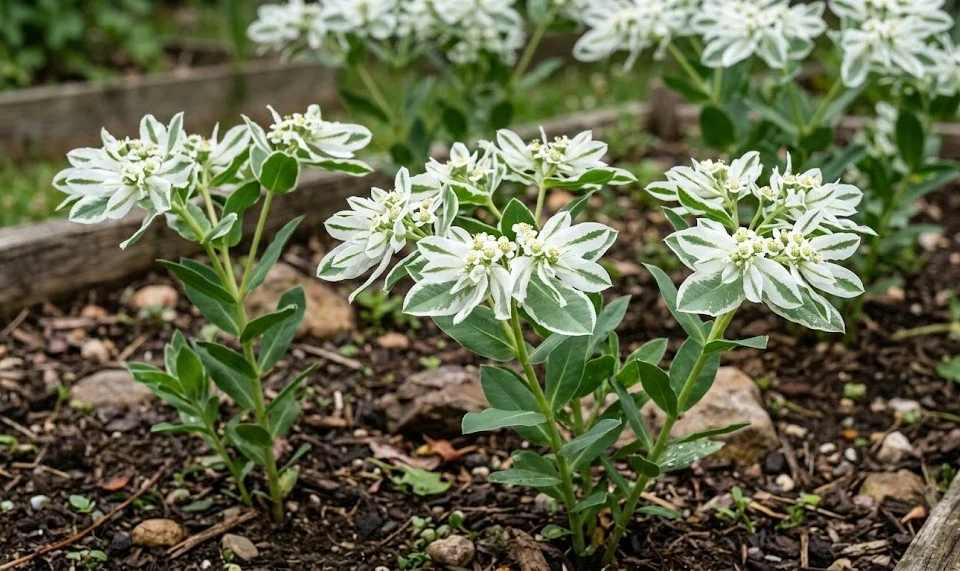

Light is the primary energy source that drives the growth and the stunning coloration of this particular garden species. To achieve the best results, you must understand how the intensity and duration of sunlight affect the plant’s development. While it is adaptable to different conditions, there is a clear preference that will result in the most vibrant leaf patterns. Placing your plants in the optimal light environment is one of the easiest ways to ensure their long-term success.
Full sun for maximum color
The most dramatic variegation is always achieved when the plant is grown in a location that receives full sun for most of the day. You should aim for at least six to eight hours of direct sunlight to maintain the bright white edges on the leaves. In lower light conditions, the plant may become somewhat leggy as it stretches toward the nearest light source. Sunlight also helps to strengthen the stems, making them less likely to flop over during heavy rain or wind.
Managing partial shade
While full sun is ideal, this plant can also tolerate a bit of partial shade, especially in regions with extremely hot summers. In these warmer climates, some afternoon shade can actually protect the foliage from scorching during the peak heat of the day. You might notice that the green parts of the leaves become a bit darker when grown in slightly shadier spots. It is a good idea to experiment with different locations in your garden to see where the plant looks its best.
More articles on this topic
Light quality and growth patterns
The quality of light in your garden can change throughout the season as trees grow their leaves or the sun’s path shifts. You should observe how the shadows move across your garden beds to ensure your plants are not being blocked by larger structures. If a plant is receiving too little light, it will likely produce smaller leaves and have a less compact growth habit. Ensuring that each specimen has access to clear, unobstructed light will promote the most attractive and healthy form.