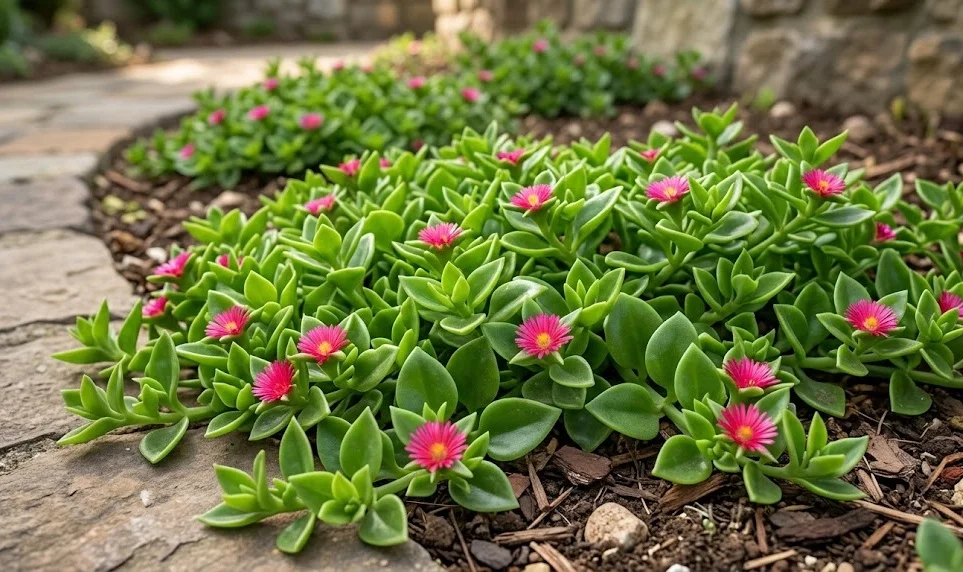

Preparing your garden for the arrival of cold weather is a vital task for anyone growing this heat-loving succulent. The baby sun rose is highly sensitive to frost, and even a single night of freezing temperatures can cause irreparable damage to its fleshy tissues. Depending on your local climate, overwintering might involve simple protection or a complete relocation of the plant to a sheltered environment. Taking the time to prepare properly ensures that your plants will return with vigor when the warmth of spring arrives.
The first step in the overwintering process is to understand the hardiness zone of your specific location. In regions where temperatures rarely drop below freezing, the plant can often remain outdoors with minimal intervention. However, in colder climates, you must have a clear plan in place before the first frost is even forecasted. Early preparation is the key to avoiding the panic of a sudden cold snap that could destroy years of growth.
Monitoring the weather closely during the autumn months allows you to choose the perfect time to begin your protection routine. You should start reducing the water you provide as the days get shorter and the temperatures begin to drop. This encourages the plant to slow its growth and enter a more resilient, semi-dormant state. A plant that is full of water is much more likely to suffer from cellular damage when the temperature hits the freezing point.
If your plants are in containers, the process of overwintering is significantly easier than for those planted in the ground. Potted specimens can be moved to a porch, a garage, or even inside your home for the duration of the winter. This portability is one of the many reasons why growing this succulent in containers is so popular in temperate zones. Regardless of where you keep it, the goal remains the same: keeping the plant dry and above freezing.
Moving and protecting plants indoors
When moving your baby sun rose indoors, it is important to select a location that provides as much light as possible. A south-facing windowsill is often the ideal spot, as it offers the bright, direct light the plant craves. If you do not have enough natural light, a simple grow light can help keep the plant healthy until spring. Without adequate light, the stems will begin to stretch and become weak, a condition known as etiolation.
More articles on this topic
Before bringing any plant inside, it is essential to check thoroughly for any pests that might be hitching a ride. You do not want to introduce aphids or mealybugs to your other indoor plants during the winter months. A gentle wash with a mild soap solution can help ensure the plant is clean and ready for its indoor stay. This simple quarantine step can save you a lot of trouble later in the season.
Indoor air can be very dry due to heating systems, which can sometimes lead to issues with spider mites. While the plant likes to stay dry, it doesn’t enjoy the extreme desiccation that can happen near a radiator or heating vent. Try to keep the plant in a room that remains cool but stays well above the freezing mark. Finding a balance between light, temperature, and humidity is the secret to successful indoor overwintering.
Watering during the indoor period should be extremely infrequent, as the plant’s growth will almost completely stop. You may only need to provide a small amount of water once every three to four weeks to keep the roots alive. Always wait until the soil is bone-dry before adding any moisture, and never allow the plant to sit in water. Over-caring for a dormant plant is one of the most common mistakes made during the winter months.
Outdoor protection strategies for mild climates
In areas where frost is light and infrequent, you can often keep the baby sun rose in the ground with some strategic help. Covering the plants with a frost blanket or a piece of heavy burlap on the coldest nights can provide several degrees of protection. Be sure to remove the cover during the day to allow the plant to breathe and soak up any available sunlight. Never use plastic covers that touch the foliage, as they can actually trap the cold against the plant.
More articles on this topic
Applying a thick layer of dry mulch around the base of the plant can help insulate the roots from the cold ground. Materials like straw, dry leaves, or bark are excellent choices for this purpose as long as they are kept relatively dry. The roots are often more resilient than the foliage, so protecting them ensures the plant can sprout anew if the top gets damaged. This “insurance policy” for the root system is a simple but effective technique.
Positioning plants near a south-facing stone wall or a dark-colored fence can also provide a bit of extra warmth. These structures absorb heat from the sun during the day and slowly release it at night, creating a slightly warmer microclimate. This small difference in temperature can be enough to keep the plant safe during a borderline frost event. Understanding the heat-retention properties of your garden can help you place your succulents more strategically.
If the top of the plant does suffer some frost damage, resist the urge to prune it away immediately. The dead, shriveled foliage can actually provide a layer of protection for the healthy stems underneath. Wait until the danger of frost has completely passed in the spring before cleaning up the winter damage. At that point, you can cut back the dead parts and watch for the new growth to emerge from the protected base.
Bringing plants back for the spring season
The transition from winter dormancy back to active spring growth should be handled with care and patience. As the days lengthen and the soil warms up, you can gradually increase the amount of water you provide to the plant. If the plant has been indoors, you must acclimate it to the outdoor sun slowly to avoid leaf scorch. This process, known as hardening off, involves moving the plant outside for a few hours each day.
Start by placing the plant in a shaded, protected spot for a couple of hours and then bringing it back inside. Over the course of a week or two, gradually increase the amount of time the plant spends outdoors and its exposure to direct sun. This allows the plant’s tissues to toughen up and adapt to the higher light intensity and fluctuating temperatures. Moving a plant directly from a dim room to full sun is a recipe for damaged foliage.
Spring is also the perfect time to evaluate the health of the plant and perform any necessary maintenance. If the plant has become leggy or sparse during its time indoors, a good pruning will encourage it to fill out again. You can also use this opportunity to refresh the soil or add a small amount of fertilizer to kickstart the new season. Seeing the first bright green shoots appear is one of the most rewarding moments of the gardening year.
Replanting any cuttings you took as a backup during the winter can help fill in any gaps left by the cold. This ensures that your garden remains lush and full, even after a particularly harsh winter. The baby sun rose is a resilient survivor, and with a little help from you, it will continue to thrive year after year. Every season brings its own challenges, but the beauty of this succulent makes all the effort worthwhile.