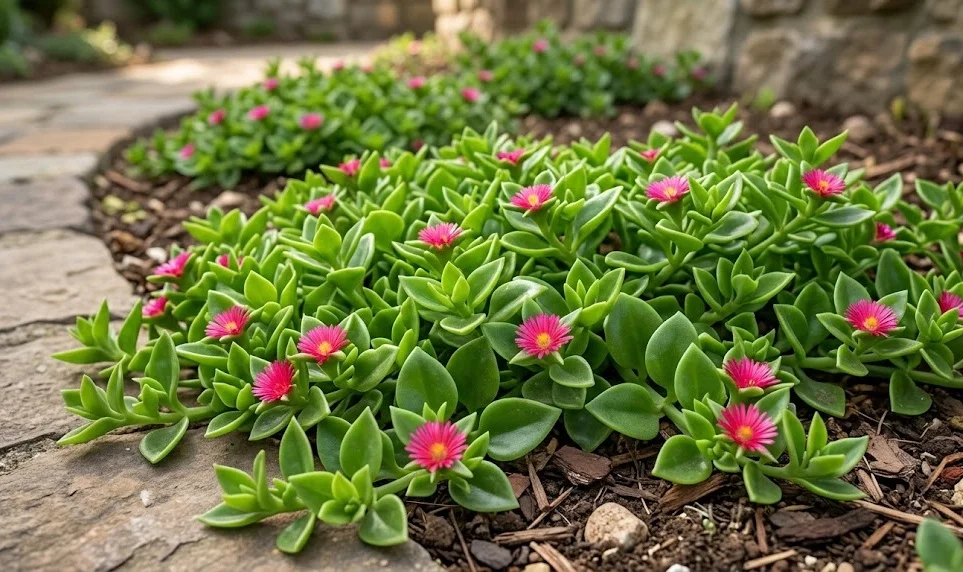

Cultivating a vibrant garden often requires selecting plants that are both resilient and aesthetically pleasing to the eye. The baby sun rose is a perfect candidate for those seeking a low-maintenance yet stunning groundcover or hanging basket addition. This succulent is prized for its fleshy, heart-shaped leaves and bright, multi-petaled flowers that open during the day. Understanding its basic needs is the first step toward ensuring a lush and healthy display in your landscape.
Successful maintenance begins with recognizing that this plant is a native of South Africa, accustomed to warm climates. It thrives in well-drained soil and requires a specific balance of light and moisture to flourish effectively. While it is generally hardy, it does not tolerate frost well and needs protection during colder months. By providing the right foundation, you can enjoy its dense green foliage and vivid blooms throughout the growing season.
The soil composition is perhaps the most critical factor in the long-term health of this particular succulent species. It prefers a sandy or loamy texture that allows water to pass through quickly without saturating the root system. Heavy clay soils should be amended with organic matter or grit to prevent the roots from sitting in stagnant water. Maintaining a neutral to slightly acidic pH level will also help the plant absorb necessary nutrients from the ground.
Ambient temperature plays a significant role in how quickly the plant spreads across a garden bed or container. It performs best in temperatures ranging from twenty to thirty degrees Celsius during the daytime hours. If the temperature drops significantly at night, the growth rate may slow down as a natural protective response. Consistent warmth combined with moderate humidity creates the ideal atmosphere for continuous flowering and leaf production.
Growth patterns and structural development
Observing the growth habit of this plant reveals a creeping nature that makes it an excellent choice for erosion control on slopes. The stems can grow quite long, trailing over the edges of pots or creating a thick mat on the ground. Each node along the stem has the potential to sprout new roots if it comes into contact with moist soil. This horizontal expansion allows the plant to cover large areas relatively quickly during the peak summer months.
More articles on this topic
The leaves themselves are designed to store water, which gives them their characteristic plump and succulent appearance. This adaptation allows the plant to survive short periods of drought without showing immediate signs of distress or wilting. However, if the plant is kept in overly dry conditions for too long, the leaves may lose their luster and turn a duller shade of green. Healthy foliage should feel firm to the touch and exhibit a slight sheen under the sunlight.
Flowering typically occurs from late spring until the first hints of autumn appear in the air. The small, daisy-like blossoms are usually a deep pink or red, though some varieties may feature different hues. These flowers are highly attractive to pollinators such as bees and butterflies, adding ecological value to your garden space. To encourage more blooms, it is helpful to keep the plant in a state of active growth through proper care.
Structural integrity is maintained by ensuring the plant has enough space to breathe and expand without being overcrowded by weeds. Removing competing vegetation allows the succulent to claim the necessary surface area for its trailing stems to anchor themselves. If the mat becomes too dense, air circulation can decrease, which might lead to moisture retention issues near the base. Periodically thinning out the center of a large patch can help maintain a healthy balance of light and air.
Environmental adaptations and resilience
The ability of this species to adapt to various garden settings makes it a favorite among professional landscapers and hobbyists alike. It can handle coastal conditions quite well, showing a high tolerance for salt spray and sandy environments. This makes it a versatile option for gardens located near the ocean where other plants might struggle to survive. Its toughness is a testament to its evolution in challenging, sun-drenched habitats.
More articles on this topic
When grown in containers, the plant exhibits a different but equally beautiful form as it cascades downwards. Hanging baskets allow the stems to reach their full potential length, creating a waterfall effect of green and pink. It is important to ensure that these containers have adequate drainage holes to prevent water buildup at the bottom. Potted specimens may require more frequent monitoring than those planted directly in the ground.
Microclimates within a garden can influence how the plant behaves during different times of the day. A spot that receives reflected heat from a wall might cause the plant to require slightly more water than one in an open field. Understanding these subtle environmental factors helps in tailoring a care routine that matches the specific needs of your location. Observing the plant’s reaction to its surroundings is the best way to learn what it truly needs.
Resilience does not mean the plant is indestructible, especially when it comes to extreme cold or prolonged darkness. If the environment becomes too harsh, the plant will prioritize survival over beauty, often shedding leaves or ceasing to bloom. By mitigating these stressors through thoughtful placement, you can ensure the plant remains a highlight of the garden. A little attention to its environmental preferences goes a long way in sustaining its vitality.
Nutrient management and soil health
Fertilizing is not always necessary for these plants if they are grown in naturally rich and healthy garden soil. However, a light application of a balanced, water-soluble fertilizer can boost growth during the start of the spring season. Over-fertilizing should be avoided, as it can lead to excessive foliage growth at the expense of the beautiful flowers. It is always better to lean toward under-feeding rather than over-feeding this particular succulent.
The presence of organic matter in the soil helps to sustain a healthy microbial environment which benefits the root system. Adding a thin layer of compost around the base of the plant can provide a slow-release source of nutrients. This also helps to regulate the soil temperature and keep the shallow roots protected from extreme surface heat. Ensure that the compost does not directly touch the stems to avoid any potential for rot.
In areas with very poor soil, a specialized succulent or cactus mix can be used to provide the right texture. These mixes are designed to provide the high drainage levels that the plant requires to stay healthy. If you are mixing your own, combine regular potting soil with perlite or coarse sand in equal parts. This creates an airy structure that promotes strong root development and prevents compaction.
Monitoring the color of the leaves can provide clues about the nutrient status of the soil. Yellowing leaves might indicate a nitrogen deficiency, while purple tints can sometimes suggest a phosphorus issue. However, these symptoms are often more related to watering or light issues than actual nutrient lack. Always check the soil moisture and light levels before deciding to add more chemicals to the environment.
Seasonal care and transition periods
As the seasons change, the requirements of the baby sun rose shift to match the varying levels of light and heat. In the spring, the focus should be on cleaning up any winter damage and encouraging new growth. This is the ideal time to check the soil and ensure that drainage pathways are clear for the upcoming rains. Providing a gentle start to the season sets the stage for a prolific summer display.
Summer is the period of peak activity, where the plant will require the most consistent monitoring for hydration. While it is drought-tolerant, regular watering during extreme heatwaves will keep the foliage looking its best. The intense sun will trigger the most vibrant flowering, so ensuring the plant is not hidden in the shade is vital. Watch for any signs of heat stress, such as shriveling leaves, and adjust care accordingly.
Autumn brings a slowing of growth as the days shorten and the temperatures begin to drop. This is the time to reduce watering and stop any fertilization to allow the plant to prepare for its dormant phase. If you live in a region with frost, you should start thinking about protection strategies during this transition. Reducing the moisture content in the soil helps the plant harden off before the cold arrives.
Winter care is primarily about protection from freezing temperatures and excessive dampness. If the plant is kept outdoors in a mild climate, it may only need a light covering during the coldest nights. For those in colder zones, moving the plant to a sheltered location or indoors is the only way to ensure its survival. The plant’s metabolism slows significantly, requiring very little attention until the warmth returns.
Long term maintenance and rejuvenation
A well-established patch of baby sun rose can last for several years with minimal intervention from the gardener. However, over time, the center of the plant may become woody or sparse as the new growth moves outward. To maintain a fresh and youthful appearance, it is helpful to periodically rejuvenate the plant. This can be done by cutting back the older sections to encourage new shoots from the base.
Rejuvenation is best performed in the early spring just as the plant is beginning to wake up from dormancy. By removing the leggy or dead stems, you redirect the plant’s energy into producing vibrant new foliage. You can even use the healthy cuttings from this process to start new plants in other areas. This cycle of renewal keeps the garden looking intentional and well-maintained.
Monitoring the overall spread of the plant is important to ensure it does not encroach on slower-growing neighbors. Because it is a vigorous grower, it can easily overwhelm smaller perennials if left unchecked for too long. Simply pulling back the edges or trimming the stems will keep it within its designated boundaries. Being proactive with maintenance prevents the need for drastic measures later in the season.
The longevity of the plant is also tied to the health of the soil it inhabits. Every few years, it may be beneficial to refresh the top layer of soil or add a small amount of fresh compost. This ensures that the root zone remains active and that the soil does not become too compacted over time. A little long-term planning goes a long way in keeping this succulent a permanent fixture of your garden.
Maximizing aesthetic and ecological impact
The visual appeal of the baby sun rose is most apparent when it is used to create a consistent texture in the landscape. It pairs beautifully with other succulents that have different colors, such as silver-toned agaves or blue-leafed sedums. The contrast between the deep green of the heart-shaped leaves and the bright flowers creates a dynamic focal point. Using it as a “spiller” in mixed containers adds a professional touch to any patio or balcony.
Beyond its beauty, the plant provides essential resources for local wildlife and beneficial insects. The nectar-rich flowers are a reliable food source for many pollinators during the heat of the summer. By including this plant in your garden, you are contributing to a healthier local ecosystem. It is a wonderful example of how a beautiful garden can also be a functional one.
The low water requirements of this species make it an environmentally conscious choice for modern gardening. In an era where water conservation is increasingly important, using drought-tolerant plants is a responsible practice. You can achieve a lush, green look without the heavy water bill associated with traditional lawns. This makes the plant both a practical and ethical addition to any property.
Ultimately, the joy of growing the baby sun rose comes from its reliable performance and cheerful appearance. It is a plant that gives back much more than it takes in terms of effort and resources. Whether you are a beginner or an expert, you will find satisfaction in its rapid growth and bright blooms. Its presence in the garden is a constant reminder of the beauty and resilience of nature.