
Understanding the nuanced relationship between your plants and the sun is one of the most important aspects of achieving a professional-grade garden display. You must recognize that light is the primary source of energy for the plant, driving the process of photosynthesis that creates the sugars needed for growth and flowering. While this species is relatively flexible, it has specific preferences that will dictate the density of its foliage and the intensity of its bloom. By managing light levels with precision, you can control the overall appearance and vigor of your shrubs.
Optimal solar exposure levels
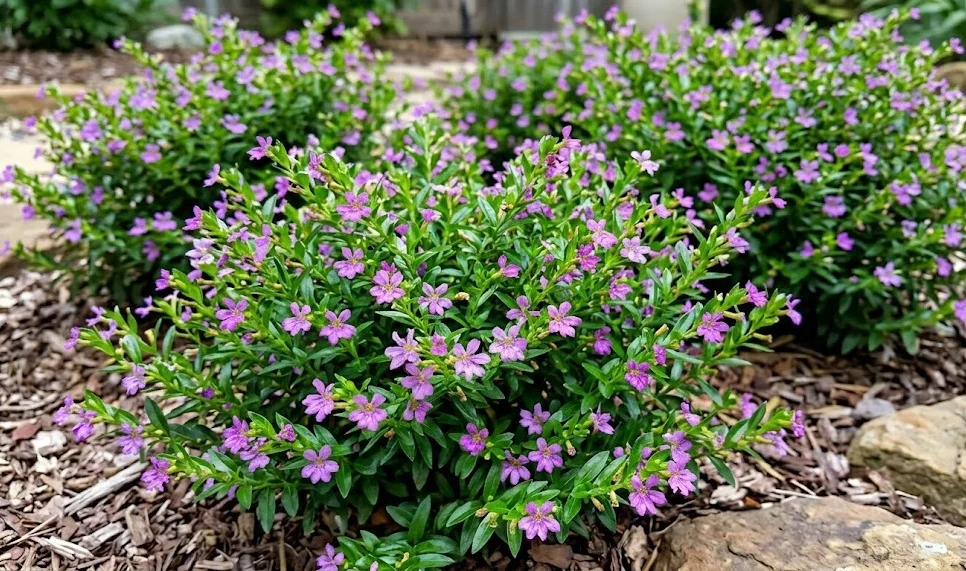
For the best results, you should provide your plants with a location that receives full sun for at least six to eight hours each day. Full sun encourages a compact, mounded growth habit and a maximum density of the tiny, vibrant flowers that define the species. In regions with very intense summer heat, however, a location with bright, dappled shade during the hottest part of the afternoon can be beneficial. This “afternoon relief” prevents the foliage from becoming stressed and helps maintain the deep green color of the leaves.
The quality of the light is just as important as the quantity, with natural sunlight providing the full spectrum of wavelengths needed for balanced development. You will notice that plants grown in insufficient light tend to become “leggy,” with long gaps between the leaves as the stems stretch toward the nearest light source. To maintain a professional, bushy appearance, you must ensure the light is bright enough to keep the internodes short. Consistent light from all sides is also important to prevent the plant from leaning or becoming thin on one side.
Seasonal variations in light intensity and duration mean that you must be prepared to move or adjust your plants throughout the year. In the spring and autumn, when the sun is lower in the sky, you might need to move container plants to a more exposed position to compensate for the shorter days. During the peak of summer, you may find that some temporary shade, such as that provided by a taller neighboring plant or a shade cloth, is necessary. Being an observant gardener allows you to anticipate these changes and act before the plant shows signs of light-related stress.
For plants grown indoors, finding the right light level is a constant challenge that requires a bit of experimentation. You should start by placing the plant in the brightest window available, typically one that faces south or west in the northern hemisphere. Keep in mind that window glass can sometimes act as a lens, intensifying the heat and light to levels that might scorch the leaves if they are too close. If you cannot provide enough natural light, high-quality grow lights can be used to bridge the gap and keep the plant healthy.
More articles on this topic
Symptoms of light deficiency or excess
Learning to read the leaves is the best way to determine if your plant is receiving the right amount of light for its current needs. You should be concerned if you see the plant developing small, pale leaves and long, weak stems, as these are classic signs of light deficiency. In such cases, the plant is struggling to produce enough energy to support its structure, leading to a general decline in vigor and a lack of flowers. Moving the plant to a brighter location is the only effective solution for this problem.
On the other hand, too much direct, intense sunlight can lead to leaf scorch, which appears as brown or bleached patches on the leaf surfaces. You might also notice that the foliage feels dry and brittle to the touch, and the overall color of the plant may fade from emerald green to a yellowish-bronze. This is essentially a sunburn for the plant, indicating that the light levels have exceeded its ability to process the incoming energy. Providing some midday shade and increasing the moisture levels can help a scorched plant recover over time.
A lack of flowers is often a subtle sign that the plant is not receiving quite enough light to trigger its reproductive cycle. You may have a perfectly healthy-looking green plant that simply refuses to bloom, which can be frustrating for any professional gardener. Often, moving the plant just a few feet into a sunnier spot can be enough to stimulate the production of flower buds. Remember that flowering is an energy-intensive process, and without sufficient light, the plant will prioritize its own survival over reproduction.
The orientation of the growth can also tell you a lot about the light environment and how the plant is perceiving it. If the plant is growing aggressively toward one side, it is a clear indication that the light source is directional and insufficient from other angles. You should rotate container plants by ninety degrees every few weeks to ensure even growth and a symmetrical shape. This professional practice ensures that all parts of the plant receive their fair share of the available light, maintaining its aesthetic balance.
More articles on this topic
Managing light in indoor settings
When growing these shrubs as houseplants or during their winter stay, you must take an active role in managing their light environment. You should recognize that light intensity drops off rapidly as you move away from a window, so even a distance of a few feet can make a massive difference. Using light-colored walls or mirrors to reflect light back onto the plant can be a clever way to boost the available illumination in a dim room. This small professional trick can significantly improve the performance of indoor specimens.
Supplementing with artificial light is often necessary to keep the plant in peak condition when natural light is limited by weather or architecture. You should choose full-spectrum LED or fluorescent bulbs that are specifically designed for plant growth, as these provide the blue and red wavelengths needed for both foliage and flowers. Position the lights about six to twelve inches above the top of the plant and use a timer to provide a consistent “day” of ten to fourteen hours. This consistency is key to keeping the plant’s internal biological clock in sync.
The duration of light exposure, or photoperiod, is a factor that can influence both growth and flowering in many species. You should be aware that while this plant is not strictly dependent on specific day lengths to bloom, a consistent light cycle helps it remain stable. Avoid exposing the plant to frequent bursts of artificial light during its “night” period, as this can disrupt its metabolic processes. Maintaining a clear distinction between day and night helps the plant manage its energy reserves more effectively.
Finally, keep in mind that the light requirements can change as the plant grows and its canopy becomes denser. You should periodically thin out the inner branches to allow light to reach the center of the plant and prevent the lower leaves from dropping. A plant that is too dense can actually shade itself to death in the middle, leading to a hollow appearance that is difficult to correct. Strategic pruning and positioning ensure that every leaf is a productive part of the plant’s energy-gathering system.