
Taking care of this delicate-looking yet resilient shrub requires a deep understanding of its specific environmental needs and growth patterns. You will find that this plant is remarkably rewarding when its basic requirements for moisture, warmth, and light are met consistently throughout the growing season. While it is often treated as an annual in cooler climates, it can thrive for years if you provide the right structural support and nutritional balance. Establishing a routine is the most effective way to ensure the plant remains vibrant and covered in its signature tiny blossoms.
Fundamentals of plant health
The overall health of your shrub depends heavily on the consistency of the microclimate you create in your garden or home. You should observe the foliage daily to catch any subtle changes in color or texture that might indicate stress. A healthy specimen will display dense, emerald-green leaves that feel firm to the touch and show no signs of wilting. By maintaining a stable environment, you allow the plant to focus its energy on continuous flower production rather than survival.
Temperature plays a vital role in the metabolic processes of this species, as it originates from warmer subtropical regions. You must ensure that the ambient temperature remains relatively high during the day, ideally between twenty and thirty degrees Celsius. If the mercury drops significantly at night, the growth rate may slow down, and the plant might enter a defensive state. Protecting the plant from sudden drafts or cold winds is essential for maintaining its lush appearance throughout the summer.
Soil quality is the foundation upon which all other care practices are built, so you should invest time in preparing the right medium. A well-draining, slightly acidic to neutral soil will provide the perfect balance of aeration and moisture retention. You can achieve this by mixing high-quality potting soil with perlite or coarse sand to prevent the roots from sitting in stagnant water. Regularly checking the soil structure ensures that it doesn’t become compacted over time, which would restrict oxygen flow to the root system.
Finally, air circulation is an often overlooked aspect of plant care that significantly impacts the health of the foliage. You should space your plants adequately to allow air to move freely between the branches, which reduces the risk of fungal infections. Stagnant air can lead to moisture buildup on the leaves, especially in humid environments, creating a breeding ground for pathogens. If you are growing the plant indoors, a small fan or an open window can provide the necessary ventilation to keep the plant refreshed.
More articles on this topic
Soil and environmental synergy
Creating synergy between the soil and the surrounding environment is crucial for the long-term success of your gardening efforts. You should select a location that offers protection from harsh environmental factors while still providing the necessary resources for growth. The interaction between the soil’s moisture levels and the humidity in the air dictates how often you will need to intervene with manual care. Understanding this relationship helps you avoid over-servicing the plant, which can sometimes be as damaging as neglect.
Organic matter is a key component that improves the soil’s ability to support a thriving ecosystem of beneficial microorganisms. You can incorporate well-rotted compost or leaf mold into the planting hole to enhance the nutrient profile and improve the soil’s texture. These organic additives help to buffer the pH levels and provide a slow-release source of essential minerals. Over time, the decomposition of this matter creates a rich, loamy environment that encourages deep and healthy root development.
Mulching is a highly effective technique that bridges the gap between the soil and the atmosphere by protecting the surface layer. You should apply a thin layer of organic mulch, such as shredded bark or cocoa hulls, around the base of the plant to regulate soil temperature. This layer acts as an insulator, keeping the roots cool during the heat of the day and warm during chilly nights. Additionally, mulch significantly reduces the rate of evaporation, meaning the soil stays moist for longer periods between watering sessions.
Environmental stressors like heavy rain or extreme heat can disrupt the balance you have worked hard to establish. You must be prepared to adjust your care routine based on the prevailing weather conditions to mitigate any potential damage. During periods of intense rainfall, ensure that the drainage holes in containers are clear and that garden beds do not become waterlogged. Conversely, in extreme heat, you might need to provide temporary shade to prevent the foliage from scorching and the soil from drying out too rapidly.
More articles on this topic
Seasonal transitions
As the seasons change, the physiological needs of the plant shift, requiring a flexible approach to its daily management. You will notice that during the spring, the plant experiences a surge in growth as the light levels and temperatures increase. This is the ideal time to increase your attention to detail, as the plant is most vulnerable when producing new, tender shoots. Ensuring that the transition from winter dormancy to active growth is smooth will set the stage for a spectacular summer display.
Throughout the summer months, the primary focus of your care should be on maintaining the moisture levels and providing adequate nutrition. You must be vigilant during this peak period, as the high rate of transpiration can lead to rapid dehydration if the plant is neglected. The abundance of flowers during this time is a clear indicator that the plant is receiving everything it needs from its environment. Regular deadheading and minor trimming can help maintain the plant’s shape and encourage even more blooms to appear.
When autumn arrives, the plant’s growth naturally begins to slow down in response to the shorter days and cooler air. You should gradually reduce the frequency of watering and stop all fertilization to allow the plant to prepare for its rest period. The hardening of the stems is a natural process that helps the plant withstand the upcoming changes in the environment. Observing these seasonal cues allows you to work in harmony with the plant’s natural life cycle rather than against it.
Winter care is perhaps the most challenging phase, especially if you live in a region with frost or freezing temperatures. You must move the plant to a protected area, such as a greenhouse or a bright indoor spot, before the first frost occurs. During this time, the plant requires very little intervention, but you should still monitor the soil to ensure it doesn’t dry out completely. The goal during winter is simply to keep the plant alive and healthy until the warmth of spring triggers a new cycle of life.
Routine maintenance strategies
Developing a consistent maintenance routine is the secret to keeping your shrubs looking professional and healthy year-round. You should set aside a specific time each week to inspect the plant for pests, diseases, and general vigor. This proactive approach allows you to address minor issues before they escalate into major problems that could threaten the plant’s survival. A well-maintained plant is much more resilient to external stressors and will always look its best in your landscape.
Cleaning the foliage is a simple yet effective way to improve the plant’s aesthetic appeal and its ability to photosynthesize. You can use a gentle spray of water or a soft, damp cloth to remove dust and debris from the tiny leaves. Clean leaves are better able to absorb sunlight and exchange gases with the atmosphere, which promotes overall vigor. Furthermore, regular cleaning helps to dislodge hidden pests like spider mites that thrive in dusty, dry conditions.
Monitoring the growth habit of the plant is another important aspect of routine maintenance that ensures it remains compact and bushy. You should pinch back the tips of the new growth regularly to encourage branching and prevent the plant from becoming leggy. This technique is especially useful for younger plants that are still establishing their primary structure. By directing the plant’s energy toward lateral growth, you create a much denser and more attractive specimen over time.
Keeping your gardening tools clean and sharp is a professional habit that directly impacts the health of your plants. You should sanitize your pruning shears with rubbing alcohol or a mild bleach solution before and after use to prevent the spread of pathogens. Sharp blades ensure clean cuts that heal quickly, reducing the risk of infection and minimizing stress on the plant. Taking care of your equipment is just as important as taking care of the plants themselves in a professional gardening context.
Growth habits and structure
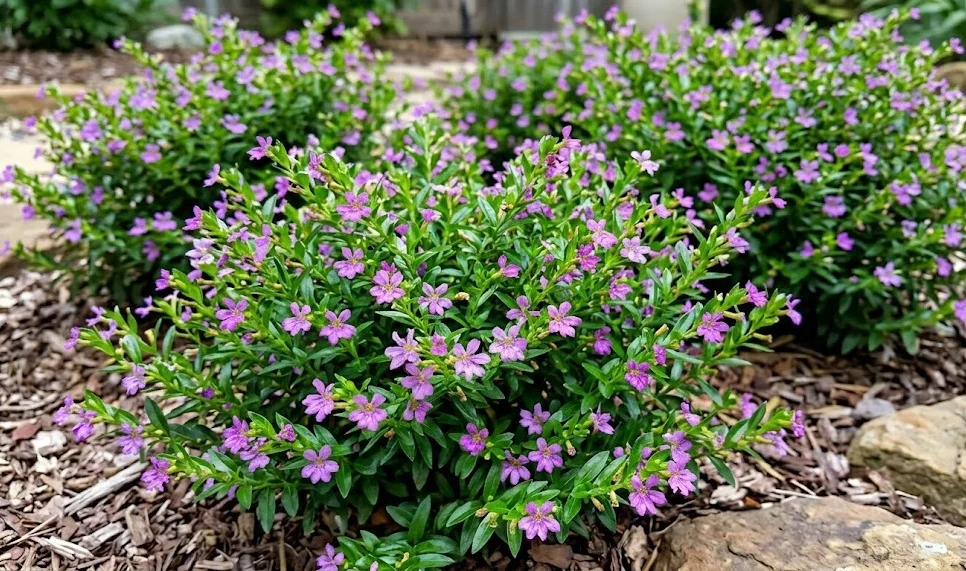
Understanding the natural growth habit of this species allows you to better manage its development and integrate it into your garden design. You will observe that the plant naturally forms a low, mounded shape with many fine branches spreading outwards. This characteristic makes it an excellent choice for groundcovers, low hedges, or as a filler in mixed container arrangements. Knowing how the plant wants to grow naturally helps you make informed decisions about where to place it for maximum impact.
The root system of this shrub is relatively shallow but fibrous, which means it prefers a stable environment near the soil surface. You should avoid deep cultivation around the base of the plant to prevent damaging these delicate roots. Providing a wide planting hole with loose soil allows the roots to spread easily and establish a strong foundation for the upper growth. A healthy root system is essential for the efficient uptake of water and nutrients, which fuels the plant’s rapid growth.
The stems of the plant are initially flexible and green but will eventually become woody as they mature over several seasons. You can use this knowledge to decide when to perform structural pruning versus light maintenance trimming. Younger, greener stems are easier to shape and respond quickly to pinching, while older woody stems provide the skeleton for the plant. Maintaining a balance between old and new wood is key to ensuring the plant remains productive and structurally sound.
The density of the foliage is one of the most prized characteristics of this species, creating a lush green backdrop for the flowers. You should aim to maintain this density by providing consistent light from all sides to prevent the inner branches from dying back. If the plant becomes too shaded in the center, it may lose its lower leaves and develop a hollow appearance. Strategic thinning and positioning can help maintain the full, vibrant look that defines a well-grown specimen.
Managing blooming cycles
The constant production of small, vibrant flowers is the main reason many gardeners choose this particular plant for their collections. You can influence the intensity and duration of the blooming period by managing the plant’s energy levels and environmental conditions. While the plant is naturally floriferous, providing a boost of phosphorus-rich fertilizer at the start of the blooming season can enhance the display. Understanding the factors that trigger flowering will help you maximize the visual impact of your shrubs throughout the year.
Deadheading, or the removal of spent flowers, is a common practice that can help extend the blooming season significantly. You should spend a few minutes each week removing faded blossoms to prevent the plant from putting energy into seed production. This signals the plant to continue producing new flower buds, resulting in a much longer and more consistent display. Additionally, removing old flowers keeps the plant looking tidy and prevents the buildup of decaying organic matter on the foliage.
The intensity of the flower color can sometimes vary depending on the temperature and the amount of sunlight the plant receives. You might notice that the colors appear more vivid during the cooler parts of the day or when the plant is shielded from the harshest midday sun. Experimenting with different light exposures can help you find the “sweet spot” where the colors are most saturated. Consistent moisture also plays a role in flower longevity, as dehydrated plants will often drop their buds prematurely.
If you notice a sudden drop in flower production, it may be a sign that the plant is under stress or lacks necessary nutrients. You should evaluate the current care routine and look for any changes in the environment that might be affecting the plant’s performance. Often, a simple adjustment to the watering schedule or a light application of fertilizer can stimulate a new flush of blooms. Being attentive to these cycles allows you to intervene early and keep the plant performing at its peak.
Troubleshooting general care
Even with the best care, you may occasionally encounter issues that require professional troubleshooting and targeted interventions. You should learn to distinguish between physiological problems caused by the environment and those caused by external factors like pests. For example, yellowing leaves can be a sign of overwatering, nutrient deficiency, or even too much direct sunlight. Developing a systematic approach to diagnosis will help you solve problems quickly and accurately without causing further stress.
Wilted leaves are a common symptom that can be confusing, as they can indicate both a lack of water and root rot from too much water. You must check the soil moisture levels with your finger or a moisture meter before deciding how to proceed with treatment. If the soil is dry, a thorough watering should revive the plant within a few hours. However, if the soil is soggy, you may need to improve drainage or even repot the plant in fresh, dry medium to save it.
Stunted growth or a lack of new shoots often suggests that the plant is not receiving enough light or that the soil has become depleted of nutrients. You should consider moving the plant to a brighter location or refreshing the top layer of soil with compost to provide a boost. Sometimes, the plant may simply be pot-bound, meaning the roots have filled the container and have nowhere left to grow. In this case, transplanting it into a slightly larger pot will provide the space needed for continued development.
If the plant looks generally unhealthy despite your best efforts, it might be time to take a step back and simplify your approach. You should ensure that all basic needs—light, water, and temperature—are being met at a fundamental level before trying complex solutions. Often, returning to a consistent and simple routine is the best way to allow the plant to recover and regain its natural vigor. Patience is a virtue in gardening, and many plants just need a little time to adjust to their surroundings.