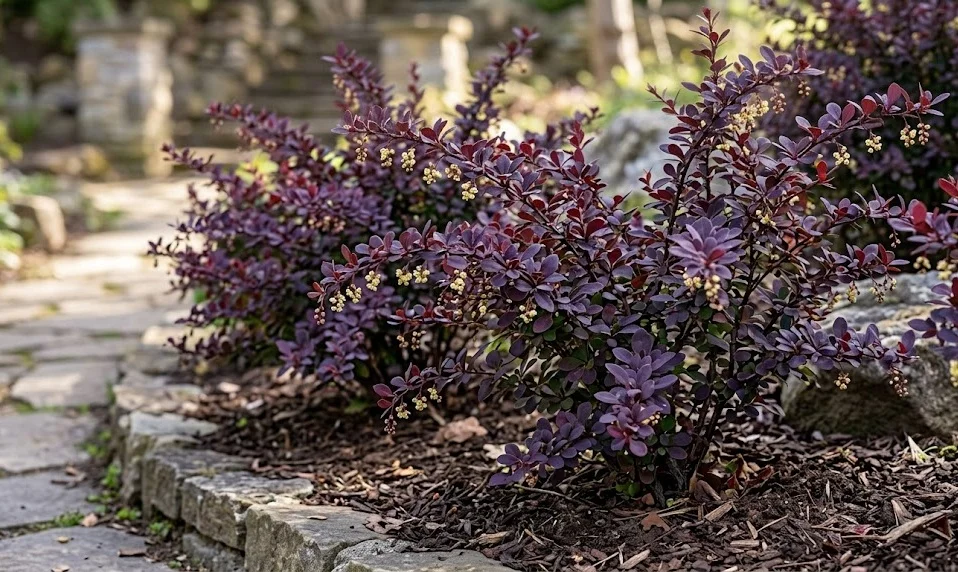

Maintaining the correct balance of moisture and nutrients is vital for the long-term health and aesthetic quality of the Japanese barberry. While this shrub is known for its ability to tolerate occasional drought, a professional approach to hydration ensures the foliage remains vibrant and dense. Irrigation should be tailored to the specific age of the plant and the prevailing weather conditions of the region. By understanding the metabolic needs of the shrub, we can provide the exact support required for it to thrive in various garden settings.
Effective hydration strategies focus on deep watering rather than frequent, shallow applications which only reach the surface soil. This technique encourages the roots to grow deeper into the ground, making the plant more resilient against heat and environmental stress. We should aim to water the base of the plant directly to keep the foliage dry and reduce the risk of fungal infections. During the first growing season, keeping the soil consistently moist is the priority to help the new root system expand and stabilize.
Summer watering needs increase significantly as temperatures rise and the rate of transpiration from the leaves accelerates. We should monitor the shrub for signs of wilting or leaf curling, which are the first indicators that the plant is struggling with water deficiency. Early morning is the best time for irrigation, as it allows the plant to hydrate before the intense heat of the midday sun. In periods of extreme heat, a secondary watering in the evening may be necessary if the soil has dried out completely during the day.
Nutritional requirements of the Japanese barberry are relatively modest, but strategic fertilization can significantly improve its growth and color. A balanced, slow-release fertilizer applied in early spring provides a steady stream of nutrients as the plant enters its most active growth phase. We must avoid over-fertilizing, as excessive nitrogen can lead to rapid but weak growth that is more susceptible to pests and diseases. Following the manufacturer’s instructions and adjusting based on the plant’s appearance ensures a professional result without risking nutrient burn.
Nutrient application and soil monitoring
The timing of fertilizer application is just as important as the type of nutrients being used in the garden. Applying fertilizer too late in the autumn can stimulate new growth that will not have time to harden off before the first frost arrives. This tender growth is easily damaged by cold temperatures, which can weaken the overall health of the shrub for the following year. A late winter or early spring application is generally considered the safest and most effective window for providing supplemental nutrition to these plants.
More articles on this topic
Soil pH plays a critical role in how well the Japanese barberry can access the nutrients present in the ground. While it is adaptable, a soil that is too alkaline may lead to iron chlorosis, which causes the leaves to turn yellow between the veins. We can use soil amendments like sulfur or peat moss to gently lower the pH if it is found to be too high for the plant’s preferences. Regular testing of the soil ensures that we are addressing the actual needs of the plant rather than guessing about its nutritional status.
Organic matter, such as well-rotted compost, serves as an excellent natural fertilizer that also improves the structure of the soil over time. Spreading a layer of compost around the drip line of the shrub once a year introduces beneficial microorganisms and essential micronutrients. This approach mimics the natural forest floor and creates a more sustainable environment for the root system to explore and grow. We should gently work the compost into the top layer of soil, being careful not to disturb the shallow roots near the surface.
Monitoring the overall vigor of the plant provides the best feedback on whether the current watering and fertilization schedule is effective. Healthy Japanese barberry should produce new shoots and maintain its characteristic leaf color throughout the entire summer season. If the growth appears stunted or the foliage seems dull, it may be time to reassess the nutrient levels or the frequency of irrigation. Professional gardeners keep detailed records of their maintenance activities to identify patterns and make informed adjustments as the seasons change.