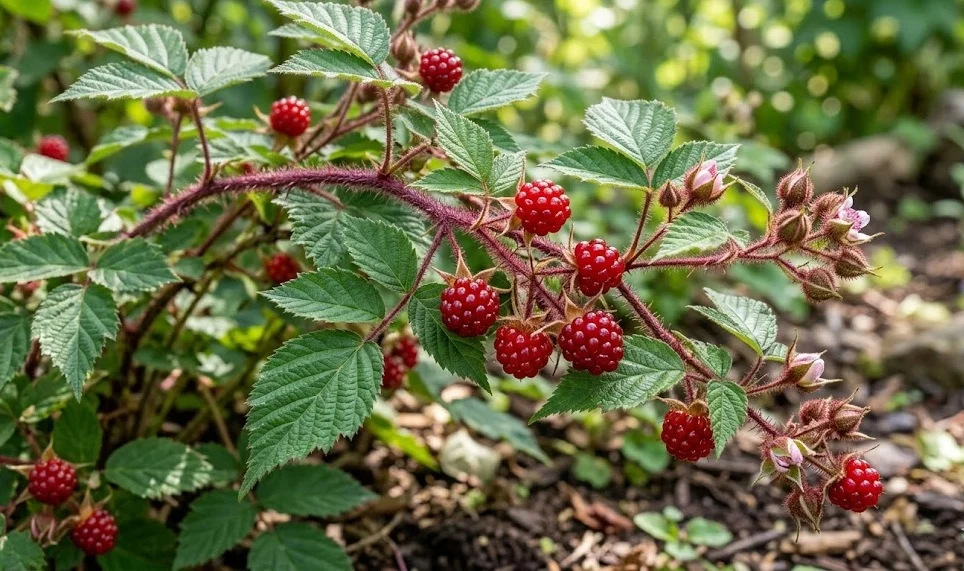

Maintaining the health of Japanese wineberry requires a vigilant eye for the various biological threats that can compromise its vigor and yield. While this species is generally hardier than many cultivated raspberries, it is not entirely immune to the pressures of the local ecosystem. A professional gardener must be able to identify the early symptoms of fungal, bacterial, and insect-related issues to take timely action. Implementing a comprehensive protection strategy is the best way to ensure that your berry patch remains a productive part of your landscape for years to come.
Identifying common fungal issues
Fungal diseases are perhaps the most frequent challenge faced by those growing Japanese wineberry, especially in humid or rainy climates. Anthracnose is a common fungal infection that manifests as small, sunken grey spots with purple borders on the canes. If left untreated, these spots can merge, girdling the cane and causing the tips to die back or the fruit to wither. Improving air circulation through proper spacing and pruning is the first line of defense against this persistent pathogen.
Grey mold, also known as botrytis, is another fungal threat that specifically targets the ripening fruit during periods of high moisture. You might notice a fuzzy grey growth spreading across the berries, quickly turning them into a mushy, inedible mess. This fungus thrives in stagnant air and can spread rapidly from one berry to another if the plants are crowded. Picking the fruit promptly and removing any infected berries from the area can help contain the outbreak.
Powdery mildew can sometimes appear as a white, flour-like dusting on the leaves and young shoots of the wineberry. While it rarely kills the plant, it can significantly reduce its ability to photosynthesize, leading to weakened growth and smaller harvests. This issue is often most prevalent in late summer when the days are warm and the nights are cool and damp. Selecting a planting site with full sun and good morning airflow can greatly reduce the incidence of this cosmetic but draining problem.
Effective management of fungal issues always begins with good garden hygiene and preventative cultural practices. You should always remove and destroy any infected plant material rather than adding it to your compost pile, where spores can survive. Watering at the base of the plant to keep the foliage dry is another simple but powerful professional technique. If an infection becomes severe, organic fungicides such as copper or sulfur-based sprays may be used as a last resort according to the manufacturer’s instructions.
More articles on this topic
Managing insect pests
Aphids are small, sap-sucking insects that can congregate on the tender new growth of the wineberry in early spring. They often cause the leaves to curl and become distorted, and they can also transmit viral diseases as they move between plants. You might notice a sticky substance called “honeydew” on the leaves, which can lead to the growth of black sooty mold. A strong blast of water from a garden hose is often enough to dislodge these pests without the need for chemicals.
The raspberry beetle is another significant pest whose larvae can burrow into the developing fruit, making it unappealing for consumption. The adult beetles are small and brownish, often appearing just as the wineberry starts to flower. They lay their eggs in the blossoms, and the emerging larvae feed on the core of the ripening berry. Monitoring the plants during the flowering stage and using organic traps or targeted treatments can help minimize the damage to your crop.
Spider mites can become a problem during hot, dry spells when the plants are under environmental stress. These tiny arachnids live on the undersides of the leaves, sucking out the plant’s fluids and causing a characteristic bronzing or stippling effect. In severe cases, you might see fine webbing stretched between the leaves and stems. Keeping the plants well-hydrated and occasionally misting the foliage can create an environment that is less favorable for these moisture-hating pests.
Encouraging natural predators is one of the most effective and professional ways to manage insect populations in the garden. Ladybugs, lacewings, and predatory wasps are all valuable allies that feed on common pests like aphids and mites. You can attract these beneficial insects by planting a variety of flowers nearby that provide them with pollen and nectar. A balanced ecosystem is much more resilient and requires far less intervention from the gardener to stay healthy.
More articles on this topic
Bacterial and viral complications
Bacterial cane blight is a serious condition that can enter the plant through wounds caused by pruning or physical damage. The infected canes may develop dark, water-soaked lesions that eventually turn into large, woody galls. This can disrupt the flow of water and nutrients, leading to the sudden wilting and death of the entire cane. To prevent the spread of bacteria, always sterilize your pruning tools with alcohol after every cut made on a suspect plant.
Crown gall is another bacterial issue that causes abnormal, tumor-like growths to form at the base of the plant or on the roots. This pathogen lives in the soil and can persist for many years, making it difficult to eradicate once it becomes established. Plants infected with crown gall may appear stunted and lack the vigor of their healthy neighbors. If you discover this issue, it is usually best to remove and destroy the entire plant and avoid planting susceptible species in that spot for several years.
Viral diseases, such as leaf curl or mosaic virus, are often spread by aphids and can cause permanent damage to the wineberry’s genetics. Symptoms include mottled or yellowing leaves, stunted growth, and a significant decrease in fruit production. Unfortunately, there are no cures for viral infections in plants, so prevention is the only viable strategy. Starting with certified disease-free nursery stock and controlling aphid populations are the most important steps in protecting your patch from viruses.
Maintaining the overall health and vigor of your plants is the best defense against both bacterial and viral threats. A stressed plant is much more likely to succumb to infection than one that is well-fed and properly hydrated. Avoid creating unnecessary wounds on the canes and always handle the plants with care during the growing season. By fostering a strong immune system in your wineberries, you make it much harder for these invisible pathogens to gain a foothold.
Integrated pest management strategies
A professional approach to plant health often involves a strategy known as Integrated Pest Management, or IPM. This method focuses on long-term prevention and uses a combination of biological, cultural, and physical controls before turning to chemical solutions. The goal is to manage pest populations at a level that does not cause significant economic or aesthetic damage while minimizing risks to the environment. Regular scouting and accurate identification of issues are the foundation of any successful IPM program.
Cultural controls are the first and most important layer of defense in an integrated strategy. This includes choosing the right planting site, maintaining proper soil fertility, and ensuring the plants have adequate space for airflow. By creating an environment where the wineberry can thrive, you naturally make it less susceptible to various stressors. Simple actions like removing fallen leaves and old canes at the end of the season can also break the life cycles of many pests and diseases.
Biological controls involve the use of living organisms to suppress pest populations. This can be as simple as protecting the spiders and birds that live in your garden, or as complex as releasing specific predatory mites. Many gardeners find that once they stop using broad-spectrum pesticides, the natural balance of the garden restores itself. This “working with nature” philosophy is a hallmark of professional agriculture and leads to a much more stable and healthy berry patch.
When physical or biological controls are not enough, targeted and low-toxicity treatments can be used to address specific outbreaks. Neem oil, insecticidal soaps, and botanical extracts are examples of products that can be effective while having a lower impact on beneficial insects. Always apply these treatments during the evening when bees are less active to avoid harming these essential pollinators. The key is to be precise and deliberate in your interventions rather than using a one-size-fits-all approach.
Preventative measures and hygiene
Maintaining a clean and organized garden is one of the most effective ways to prevent the spread of diseases and pests. You should regularly clear away any fallen fruit or debris from the base of the wineberry plants. These materials can harbor fungal spores or provide a hiding place for overwintering insects that will emerge the following spring. A tidy garden is not just about aesthetics; it is a fundamental part of a professional plant protection plan.
Tool hygiene is another critical aspect of preventative care that is often overlooked by amateur gardeners. Fungal and bacterial pathogens can easily hitch a ride on the blades of your pruning shears or loppers. Developing the habit of cleaning your tools with a disinfectant between each plant can save you a lot of trouble in the long run. This simple step prevents you from inadvertently spreading a localized infection throughout your entire berry patch.
When bringing new plants into your garden, it is wise to inspect them thoroughly for any signs of trouble. Look for clean, healthy roots and stems that are free from spots, cankers, or visible insects. If possible, keep new plants in a separate “quarantine” area for a few weeks before planting them near your established wineberries. This allows you to monitor them for any dormant issues that might emerge as they settle into their new environment.
Finally, keeping accurate records of any past issues can help you predict and prevent future outbreaks. Note which diseases appeared during specific weather patterns and which treatments were the most effective. This historical perspective allows you to take proactive steps, such as applying a preventative organic spray before the conditions for a specific fungus become ideal. Professional gardening is as much about foresight and prevention as it is about responding to the challenges that arise.