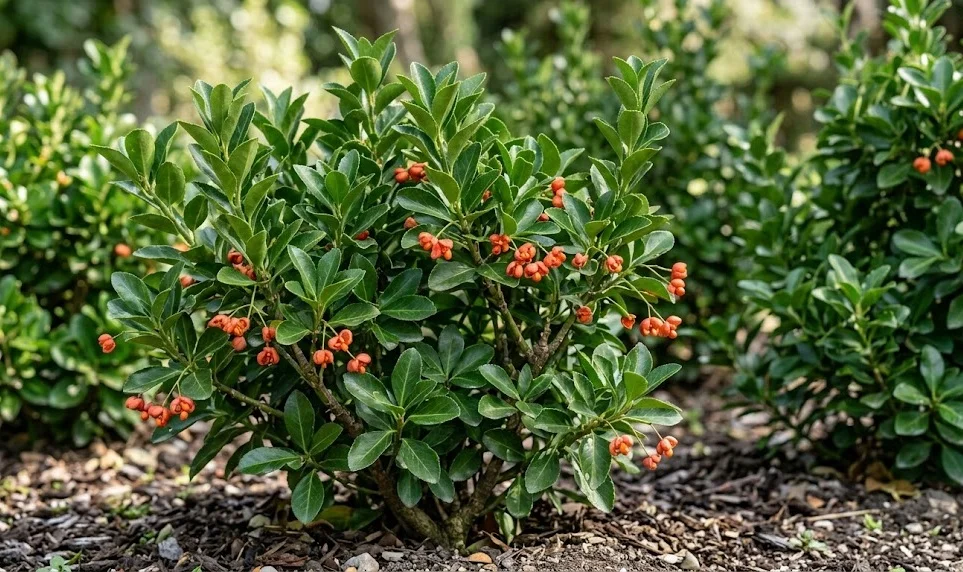

Regular pruning is the key to maintaining a desired shape and encouraging the thick, lush growth that makes this shrub so attractive. You can easily train it into various forms, from formal geometric hedges to more natural, rounded specimen plants. Knowing when and how to cut back the branches will prevent the plant from becoming leggy or sparse at the base. With the right technique, you can transform a neglected shrub into a centerpiece of your garden design.
The best time for major structural pruning is in late spring or early summer after the first flush of new growth has matured. You should use sharp, clean bypass pruners or shears to ensure clean cuts that heal quickly without tearing the bark. For formal hedges, you might need to trim the new growth several times during the growing season to maintain a neat appearance. Always aim to keep the base of the hedge slightly wider than the top so that light can reach the lower branches.
Rejuvenating an older, overgrown specimen is possible by using a more aggressive cutting technique over a period of a few years. You should identify the oldest, most woody branches and remove them at the base to make room for younger, more vigorous shoots. This process encourages the plant to push out new growth from the interior, preventing it from becoming a hollow shell of foliage. Avoid removing more than one-third of the total canopy in a single season to prevent overstressing the root system.
After you have finished pruning, it is a good idea to provide the plant with a bit of extra water and perhaps a light feeding. This helps the shrub recover from the stress of cutting and fuels the production of new leaves and stems. You should also take a moment to clean up all the fallen clippings from around the base of the plant to maintain good hygiene. Consistent, thoughtful pruning will reward you with a dense, healthy, and perfectly shaped shrub that enhances your garden for years to come.