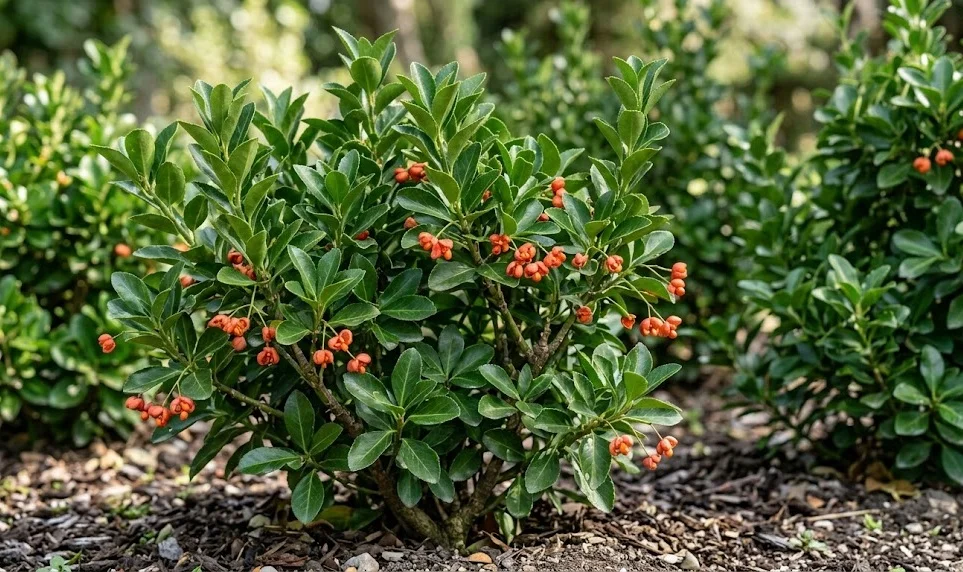

While these shrubs are generally robust, they can occasionally face challenges from various pathogens and insects that thrive in certain conditions. You should be proactive in identifying the early symptoms of stress to prevent a small issue from becoming a major problem. Maintaining good airflow and proper hygiene around your plants is the first line of defense against most common garden ailments. Knowledge of what to look for will empower you to keep your landscape looking pristine and healthy.
Powdery mildew is a common fungal issue that often appears during humid weather or in areas with poor air circulation. You will recognize it as a white, flour-like dusting on the surface of the leaves and young stems. While it rarely kills the plant, it can significantly weaken it and cause the foliage to look unsightly. Increasing the spacing between plants or thinning out dense branches can help reduce the humidity levels that favor this fungus.
Scale insects are perhaps the most persistent pests you might encounter on these particular evergreen shrubs. These tiny creatures attach themselves to the stems and leaves, sucking out the sap and weakening the entire plant. They often look like small, white or brown bumps and can be difficult to remove once an infestation becomes established. Horticultural oils or insecticidal soaps are effective treatments if you apply them thoroughly to all affected areas of the plant.
Root rot can occur if the soil remains saturated for extended periods, especially during the cooler months of the year. You might notice the plant suddenly wilting or the leaves turning yellow and falling off even when the soil is wet. This is a sign that the roots are suffocating and can no longer function properly to support the upper growth. Improving the drainage or moving the plant to a more suitable location is often the only way to save a specimen suffering from this condition.
Leaf spot diseases can sometimes cause small, dark lesions to form on the foliage, eventually leading to premature leaf drop. These are usually caused by fungal spores that spread through splashing water during rain or overhead irrigation. You should avoid watering the foliage directly and try to keep the leaves dry whenever it is possible to do so. Removing and destroying any fallen, infected leaves will help break the life cycle of the disease and protect healthy plants.
More articles on this topic
Preventative care is always more effective and less stressful than trying to cure a severely diseased plant. You should ensure that your pruning tools are always clean and disinfected before moving from one plant to another. Providing the correct amount of water and nutrients keeps the plant’s natural immune system strong and capable of resisting many attacks. By spending just a few minutes each week inspecting your shrubs, you can catch most problems before they cause lasting damage.