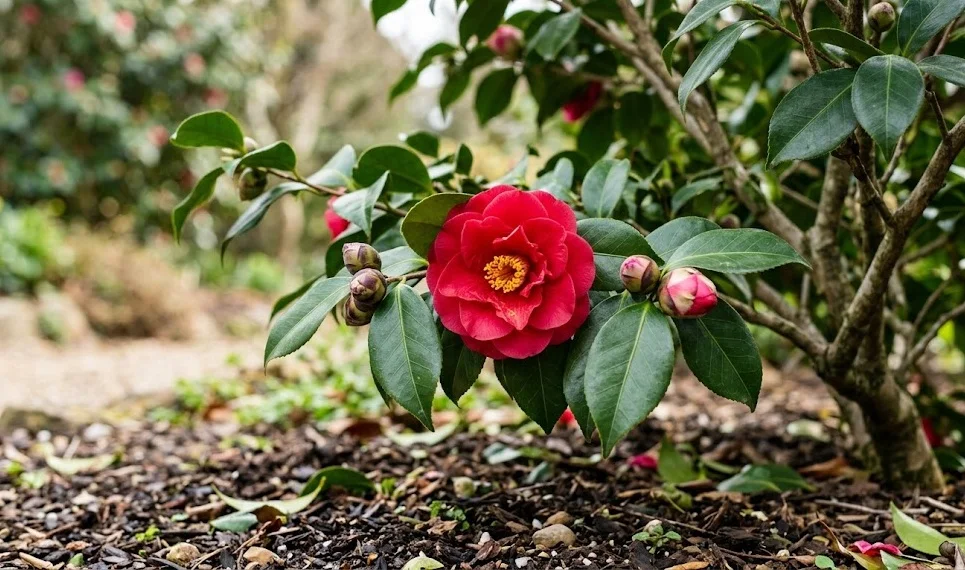

Protecting your garden from the various biological threats that target these shrubs requires constant vigilance and an understanding of the local ecosystem. You should regularly inspect the undersides of leaves and the junctions of branches where many common pests like to hide and multiply. Most problems can be managed easily if they are caught in the early stages before the infestation or infection becomes widespread. A healthy, well-sited plant is naturally more resistant to attacks, so maintaining overall vigor is your first line of defense.
Fungal infections like petal blight can quickly ruin a spectacular floral display if the weather stays damp and cool during the blooming season. You should remove and destroy any fallen flowers immediately to prevent the spores from overwintering in the soil and infecting the next year’s crop. Leaf spot fungi can also be an issue, appearing as unsightly brown or black blotches on the foliage during periods of high humidity. Improving air circulation by thinning out nearby vegetation can significantly reduce the incidence of these moisture-loving pathogens.
Scale insects and aphids are the most common pests that you will encounter, often signaled by the presence of sticky honeydew on the leaves. You might also see sooty mold growing on this honeydew, which blocks light and reduces the plant’s ability to photosynthesize effectively. Using a horticultural oil or insecticidal soap can effectively manage these pests without causing significant harm to beneficial insects like ladybugs. It is important to treat the entire plant, including the inner branches, to ensure that no small populations remain to restart the infestation.
Root rot caused by Phytophthora is perhaps the most serious threat, often resulting from poor drainage or overwatering in heavy soils. You will notice the plant wilting even when the soil is wet, followed by a general yellowing and eventual death of the branches. Prevention is the only real cure, which means ensuring the soil is well-aerated and the plant is not sitting in a low spot where water collects. If you suspect root rot, you should act quickly to improve drainage or move the plant to a more suitable location if possible.
Integrated pest management involves using a combination of cultural, physical, and biological controls to keep your plants healthy and productive. You should encourage natural predators like birds and hoverflies by planting a diverse range of species in your garden to create a balanced environment. Only use chemical treatments as a last resort and choose products that have the least impact on the surrounding soil life and pollinators. By taking a proactive and observant approach, you can ensure that your collection remains a beautiful and stress-free part of your landscape.