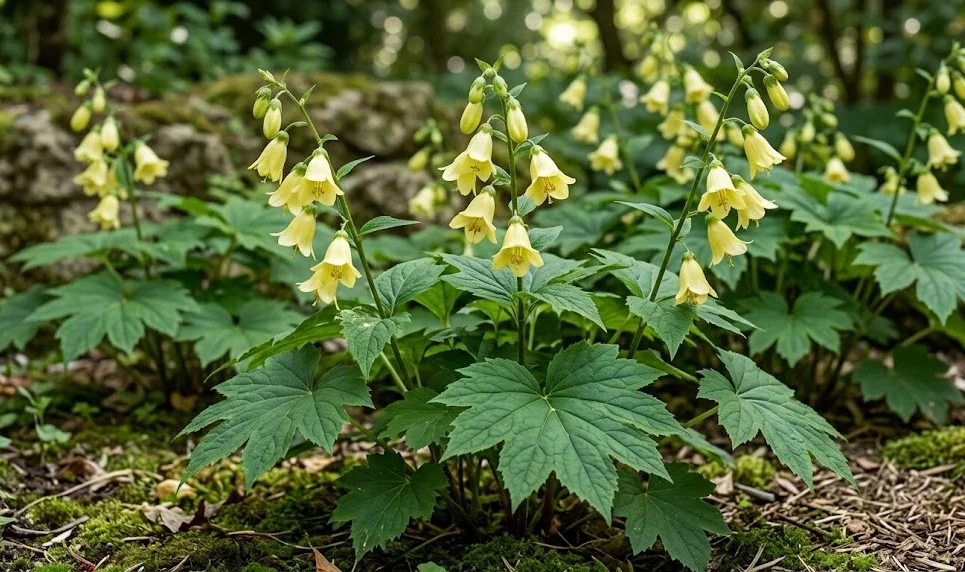

Protecting these elegant perennials from the various biological threats they face is a vital part of professional garden stewardship. While the yellow wax bells are generally robust and trouble-free when grown in their ideal conditions, they are not entirely immune to the challenges of the garden environment. Understanding the symptoms, lifecycles, and management strategies for common pests and diseases allows the gardener to intervene effectively and preserve the plant’s aesthetic value. A proactive approach, focusing on prevention and early detection, is the most successful way to maintain a healthy and vibrant specimen.
Fungal pathogens represent the most frequent disease challenges for these moisture-loving plants, particularly in humid or crowded environments. Because they thrive in shade and require consistent soil moisture, they are often in the exact conditions that favor fungal growth. Issues such as powdery mildew or various leaf spots can mar the beautiful foliage if air circulation is poor or if the plants are stressed by fluctuations in water. Managing the environment is often the first and most effective line of defense against these microscopic invaders.
On the pest front, the primary enemies are often those that thrive in the same cool, damp conditions as the plant itself. Gastropods, including both slugs and snails, find the succulent, large leaves of the yellow wax bells to be a gourmet feast, especially in the spring. While they rarely kill a mature plant, they can cause significant cosmetic damage that lasts the entire season. Other occasional pests, like aphids or leaf miners, may appear, but they are usually secondary to the damage caused by hungry slugs and snails.
Maintaining a healthy plant through proper watering, fertilizing, and siting is the best way to reduce the impact of any pest or disease. A vigorous, well-hydrated plant has natural chemical and physical defenses that make it less attractive to attackers and better able to recover from damage. When intervention is necessary, the professional gardener chooses the least toxic and most targeted method possible to minimize the impact on the wider garden ecosystem. This integrated pest management approach is the hallmark of modern, responsible horticulture.
Common fungal issues
Powdery mildew is perhaps the most recognizable fungal problem, appearing as a white, flour-like dusting on the surface of the leaves. This condition typically occurs in late summer when the days are warm and the nights are cool and humid. While it is rarely fatal, a severe infection can cause the leaves to curl, yellow, and drop prematurely, weakening the plant. Improving air circulation by thinning nearby plants or removing some of the lower foliage can help reduce the humidity around the leaves.
More articles on this topic
Leaf spot diseases, caused by various fungi like Cercospora or Septoria, appear as small, dark lesions on the foliage that may eventually merge into larger brown patches. These spots often have a yellow halo and are most common during periods of prolonged wet weather in the spring and early summer. To manage these issues, it is essential to avoid overhead watering and to remove any infected leaves as soon as they are spotted. Sanitation is key; always clean up fallen debris at the end of the season to remove the fungal spores from the area.
Root rot, often caused by pathogens like Phytophthora or Pythium, is a much more serious condition that can lead to the sudden death of the plant. This usually occurs when the soil is chronically waterlogged, depriving the roots of oxygen and creating an ideal environment for these soil-borne fungi. Symptoms include a general wilting of the plant that does not improve with watering, and a darkening or softening of the crown. Prevention through excellent drainage is the only reliable cure, as once root rot has taken hold, it is very difficult to reverse.
Botrytis, or gray mold, can occasionally affect the flowers and young shoots during exceptionally damp and cool springs. This fungus appears as a fuzzy, gray growth that quickly rots the delicate tissues, causing them to collapse and turn brown. Removing the affected parts immediately and improving the light and air levels around the plant can help stop the spread. Avoiding the use of high-nitrogen fertilizers also helps, as the soft, lush growth produced by excess nitrogen is particularly vulnerable to Botrytis infection.
Bacterial and environmental stress
Bacterial leaf scorch is a less common but potentially damaging issue that can mimic the signs of simple drought stress. It is caused by bacteria that colonize the plant’s water-conducting tissues, leading to brown, dried-out edges on the leaves. Unlike environmental scorch, bacterial scorch often has a distinctive reddish or yellow border between the dead and healthy tissue. While there is no simple chemical cure, maintaining the plant’s overall health and avoiding mechanical damage can help prevent the bacteria from gaining a foothold.
More articles on this topic
Environmental stress is often mistaken for disease, but it is actually the plant’s reaction to improper growing conditions. “Leaf scorch” caused by excessive sun or dry winds is a frequent problem for these shade-loving natives, manifesting as crispy, brown margins. This is not caused by a pathogen but by the plant’s inability to move water to its leaf edges fast enough to keep up with evaporation. Providing more shade or a windbreak is the correct solution for this non-pathogenic condition.
Chlorosis, the yellowing of leaves due to a lack of chlorophyll, is another common environmental issue that can look like a viral or bacterial disease. As discussed in the nutrition section, this is almost always a sign of a nutrient deficiency, often triggered by a soil pH that is too high. It is important to diagnose the root cause—usually a lack of available iron—rather than treating it as a contagious illness. A simple soil test can confirm whether the problem is chemical or biological in nature.
Edema is a physiological condition that occurs when a plant takes up more water than it can transpire, leading to small, blister-like bumps on the undersides of the leaves. These bumps can eventually turn corky and brown, leading the gardener to suspect a pest or fungal infection. Edema is most common during cool, cloudy weather when the soil is wet but the air is humid, preventing evaporation. Adjusting the watering schedule and improving air movement around the plant will usually resolve the issue without further treatment.
Identifying harmful insects
Slugs and snails are the most persistent and damaging pests for any gardener growing large-leaved perennials in the shade. They are most active at night or during rainy days, rasping large, irregular holes in the foliage and leaving behind telltale silvery slime trails. In the spring, they can completely strip the emerging shoots, causing long-term damage to the plant’s structure. Regular scouting and the use of physical barriers or targeted baits are necessary in gardens with high gastropod populations.
Aphids are small, soft-bodied insects that can cluster on the tender new growth and the undersides of the leaves in early summer. They feed on the plant’s sap, which can cause the leaves to become distorted, curled, or stunted if the population is large enough. Aphids also excrete a sticky substance called honeydew, which can attract ants and lead to the growth of black sooty mold. Fortunately, aphids have many natural enemies, and a healthy population of ladybugs or lacewings will often keep them under control.
Leaf miners are the larvae of certain flies or moths that tunnel between the upper and lower surfaces of the leaf, creating distinctive winding trails. While the damage is usually mostly cosmetic, a heavy infestation can reduce the plant’s photosynthetic capacity and make it look unsightly. Because the larvae are protected inside the leaf, contact sprays are often ineffective. Removing and destroying the affected leaves is the most practical way to manage leaf miners in a home garden setting.
Spider mites are microscopic pests that can become a problem during hot, dry spells, especially if the plant is in too much sun. They spin fine webs on the undersides of the leaves and suck out the cellular contents, leading to a stippled, yellowed appearance. If you notice a “dusty” look to the leaves and a general loss of vigor, check the undersides for tiny moving dots. Regular misting with water can help deter spider mites, as they thrive in dry conditions and dislike high humidity.
Natural and chemical control methods
The professional approach to pest control begins with “cultural controls,” which involve creating an environment that favors the plant over the pest. This includes proper spacing, correct watering, and the use of mulch to create a stable habitat. For slugs, removing hiding places like large rocks or boards near the plant can significantly reduce their numbers. Encouraging natural predators, such as toads, ground beetles, and birds, provides a long-term, self-sustaining solution to many pest problems.
Physical barriers can be very effective for protecting young plants from crawling pests like slugs and snails. Copper tape around a pot or a ring of crushed eggshells or grit around the base of the plant can deter these soft-bodied creatures. For larger pests, such as deer or rabbits that might occasionally browse on the foliage, physical fencing or the use of scent-based repellents may be necessary. These non-toxic methods are often the first choice for gardeners who want to maintain a wildlife-friendly landscape.
If a pest or disease problem becomes overwhelming, biological controls—using one organism to control another—are an excellent professional option. For example, parasitic nematodes can be watered into the soil to control slug populations from the ground up. Similarly, releasing predatory mites can help manage an outbreak of spider mites without the use of harsh chemicals. These methods are highly targeted and do not harm beneficial insects like bees or butterflies, making them ideal for an integrated management plan.
Chemical interventions should always be the last resort and should be used with extreme care and precision. If you must use a fungicide or insecticide, choose a product that is labeled specifically for the problem and the plant you are treating. Follow the instructions to the letter, and always apply the product in the evening when pollinators are less active. Be aware that many chemicals can be toxic to the very beneficial insects you want to encourage, so use them only when absolutely necessary to save the life of the plant.
Preventative health strategies
The most effective way to manage diseases and pests is to prevent them from occurring in the first place through meticulous garden hygiene. At the end of each growing season, remove all dead foliage and stems from the area, as these can provide a winter home for pests and fungal spores. If you have had a particular problem during the year, do not compost the affected plant material; instead, dispose of it in the trash or by burning. Starting the spring with a clean slate is a fundamental rule of professional gardening.
Regular monitoring throughout the growing season allows you to catch and address problems while they are still small and manageable. A quick walk through the garden every few days, looking for the first signs of holes in leaves or spots of mildew, can save a lot of work later on. Squishing a few early aphids by hand or removing a single diseased leaf can often prevent an entire outbreak. This “eyes-on” approach is much more effective than any scheduled spraying program.
Maintaining optimal soil health and hydration levels keeps the plant’s natural immune system functioning at its peak. A plant that is not struggling for water or nutrients is much better able to produce the secondary metabolites it uses to repel pests and fight off infections. In this sense, every hour spent watering or mulching is an investment in pest and disease control. A thriving, happy yellow wax bell is rarely a target for significant biological damage.
Finally, always consider the source and health of any new plants you bring into your garden. Inspect nursery stock carefully for signs of hitchhiking pests or hidden diseases before you buy. If possible, quarantine new arrivals for a week or two before planting them near your established specimens. By being a careful gatekeeper, you can prevent many of the most common garden problems from ever entering your landscape in the first place.