
The maintenance of these elegant shade-loving perennials requires a nuanced understanding of their specific biological needs and native habitat. Successfully cultivating these plants involves creating a stable environment that mimics the cool, moist conditions of East Asian mountain woodlands. It is essential to monitor the microclimate of your garden to ensure the foliage remains vibrant and the unique bell-shaped flowers bloom reliably. Proper care not only enhances the visual appeal of the landscape but also ensures the long-term health of the root system.
Providing a consistent moisture level is perhaps the most critical aspect of the daily management of these plants. Unlike many other garden perennials, they do not tolerate drying out even for short periods during the peak of summer. The large, palmate leaves have a high transpiration rate, meaning they lose water quickly when temperatures rise or humidity drops. To prevent wilting, gardeners should check the soil moisture daily and apply water directly to the base to avoid wetting the foliage excessively.
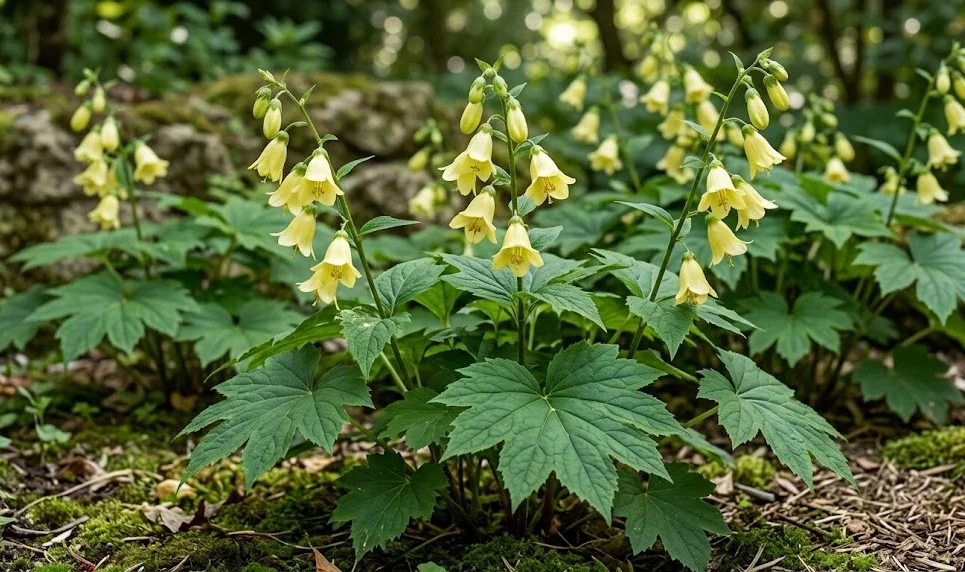
Soil health is another pillar of successful cultivation, as these plants thrive in rich, organic-heavy substrates. The addition of leaf mold or well-rotted compost every spring helps maintain the acidic to neutral pH levels they prefer. This organic matter also improves the soil structure, allowing for better aeration while simultaneously retaining the necessary moisture. Without a nutrient-dense and well-structured soil, the plant may exhibit stunted growth or fail to produce its signature buttery yellow blossoms.
Managing the surrounding environment involves protecting the delicate stems from strong winds that can cause physical damage. Because they grow relatively tall and have heavy foliage, a sheltered location is highly recommended to keep the plant upright. If the garden is naturally exposed, using discreet bamboo stakes or placing them near sturdier shrubs can provide the necessary structural support. This preventative measure ensures that the graceful arch of the stems is preserved throughout the growing season.
Understanding growth patterns
The growth cycle begins in late spring when the thick, purple-tinted shoots emerge from the soil with remarkable vigor. During this phase, the plant requires significant energy and hydration to expand its large, maple-like leaves to their full size. Observing the rate of development allows the gardener to adjust their maintenance routine to match the plant’s metabolic demands. It is a period of rapid transformation that sets the stage for the late-summer flowering period.
More articles on this topic
As the season progresses, the plant focuses on building a sturdy architectural form that can reach up to four feet in height. The stems are surprisingly resilient but remain somewhat succulent, making them susceptible to sudden mechanical stress. Regular observation helps in identifying if the plant is becoming top-heavy or if the foliage density is affecting air circulation. Proper spacing between neighboring plants is vital to ensure that each specimen has enough room to expand without competition.
The flowering stage usually occurs in late August or September, providing a much-needed splash of color when other perennials begin to fade. These waxy, pendulous blooms are sensitive to extreme heat, which is why a cool root run is so important for their longevity. The flowers appear in clusters at the tips of the stems, gradually opening to reveal their intricate internal structure. Monitoring the health of these buds is a key part of the professional care routine during the transition from summer to autumn.
In the final stages of the year, the foliage often turns a lovely shade of yellow before the first hard frost arrives. This natural senescence is a sign that the plant is moving its nutrients back down into the rhizomatous root system for winter storage. Gardeners should allow this process to complete naturally rather than cutting the plant back too early in the fall. This internal recycling of energy is crucial for the plant’s ability to survive the cold months and return even stronger the following year.
Soil quality and preparation
The foundation of a healthy specimen lies in the chemical and physical composition of the garden soil. These plants are strictly calcifuge-leaning, meaning they struggle in highly alkaline environments where iron uptake becomes restricted. Incorporating sulfur or ericaceous compost can help lower the pH if your garden soil is naturally lime-heavy. A soil test is often the best starting point for any professional gardener looking to establish a long-lived colony.
More articles on this topic
Texture is just as important as chemistry when it comes to the underground environment of the yellow wax bells. The soil should be “humus-rich,” which implies a high percentage of decomposed plant matter that feels spongy to the touch. This texture allows the roots to spread easily while ensuring that water moves through the profile without becoming stagnant. Compacted clay or very sandy soils should be heavily amended with organic conditioners before any planting takes place.
Drainage must be impeccable, as waterlogged roots will quickly succumb to rot, especially during the cooler months. While the plant loves moisture, it cannot stand in “wet feet” where oxygen is excluded from the root zone. Creating a slightly raised bed or incorporating grit into the planting hole can mitigate the risks of poor drainage in heavy soils. Balancing the need for constant moisture with the need for drainage is the true art of caring for this species.
Long-term soil fertility is maintained through a program of top-dressing rather than deep cultivation. Since the roots are relatively shallow and sensitive, digging around the base of the plant should be strictly avoided. Instead, a thick layer of organic mulch should be applied annually to suppress weeds and provide a slow-release source of nutrients. This mimics the natural forest floor where these plants evolved, creating a self-sustaining nutrient cycle over time.
Environmental stability
Temperature fluctuations can be a significant stressor for these plants, particularly during the transition from spring to summer. Sudden heatwaves can cause the edges of the leaves to scorch, a condition known as leaf margin necrosis. To prevent this, maintaining a high level of ambient humidity through misting or grouping plants together can be very effective. A stable, cool environment allows the plant to focus its energy on flower production rather than survival.
The microclimate of a garden can be altered by the presence of large canopy trees or nearby structures. These plants benefit from the cooling effect of transpiration from larger neighbors, provided they do not have to compete for water. Choosing a spot on the north side of a building or under the filtered shade of tall oaks is often ideal. Such locations provide the consistent temperatures that these East Asian natives require for optimal performance.
Air movement is necessary to prevent the buildup of fungal pathogens, yet it must be gentle enough not to dry out the leaves. A stagnant, humid corner can sometimes lead to issues with mildew if the foliage remains wet for too long. Strategic thinning of nearby overhanging branches can improve air exchange without sacrificing the essential shade. Finding the perfect balance between protection and ventilation is a hallmark of an expert gardener’s touch.
Seasonal changes in light intensity should also be considered when evaluating the plant’s environment throughout the year. While they need shade in the summer, the increased light of early spring before trees leaf out is often beneficial for early growth. However, as the sun moves higher in the sky, the protection of the canopy becomes non-negotiable for leaf health. Understanding these celestial shifts helps in placing the plant in a location that remains viable for the long term.
Nutrient management
A professional approach to fertilizing involves understanding the slow-growing nature of the yellow wax bells. They do not require high-nitrogen synthetic fertilizers, which can lead to weak, leggy growth that is more prone to pests. Instead, a balanced, organic approach that focuses on soil health will yield much better results over several seasons. Slow-release pellets or organic liquids can be used sparingly during the early summer growth spurt.
Micronutrients, particularly iron and magnesium, play a vital role in keeping the large leaves a deep, healthy green. If the leaves start to turn yellow while the veins stay green, this is a clear sign of chlorosis, often caused by improper soil pH. Correcting the soil chemistry is more effective than simply adding more fertilizer in these cases. Ensuring that the plant can actually access the nutrients already present in the soil is a key management task.
Over-fertilizing can be just as damaging as nutrient deficiency, as it can burn the sensitive root tips. If you notice the tips of the leaves turning brown and curling, it might be an indication of salt buildup from synthetic products. Flushing the soil with clean, soft water can help alleviate this issue and restore the plant’s health. Always follow the principle of “less is more” when applying any concentrated nutrient supplements to these perennials.
The best time to provide a nutrient boost is in the early spring, just as the new shoots are breaking the surface. This provides the plant with the resources it needs during its most active phase of cell division and expansion. A second, lighter application can be done in mid-summer to support the development of the flower buds. Avoiding late-season fertilization is important, as it might encourage new growth that won’t have time to harden off before winter.
Monitoring and observation
Regular inspections are the most effective way to catch potential problems before they become serious threats to the plant’s survival. Looking under the leaves and checking the base of the stems can reveal the early stages of pest infestations or fungal growth. An observant gardener will notice subtle changes in leaf color or turgor pressure that indicate a need for more water or shade. This proactive stance is what separates a thriving garden from one that is merely surviving.
Documentation can be a helpful tool for the serious horticulturist, as it allows for the comparison of growth patterns from year to year. Keeping a simple log of flowering dates, rainfall amounts, and fertilization schedules provides valuable data for refining care techniques. You might find that the plant responds better to a certain type of mulch or performs better after a particularly wet spring. Over time, these records become a personalized manual for your specific garden conditions.
Understanding the “language” of the plant involves interpreting the physical signs it displays in response to its environment. Drooping leaves in the afternoon might be a temporary cooling mechanism, but if they remain limp until the next morning, it is a cry for help. Similarly, a lack of flowers despite healthy foliage might suggest that the plant is getting too much nitrogen or perhaps not enough light. Every physical trait is a clue that can lead to a more effective maintenance strategy.
Interaction with other garden enthusiasts and professionals can also provide new insights into the care of this relatively rare species. Sharing experiences about soil amendments or winter protection methods can lead to improved outcomes for everyone involved. While these plants have specific needs, they are also adaptable within certain parameters, and learning about that flexibility is part of the joy of gardening. Stay curious and observant, and your yellow wax bells will reward you with years of beauty.
Longevity and rejuvenation
With the right care, these perennials can live for decades in the same location, becoming a permanent fixture of the shade garden. They do not need to be divided frequently, as they prefer to be left undisturbed once they have established their deep root system. Over time, the clump will gradually expand, creating a more impressive display with each passing year. This longevity makes them an excellent investment for any permanent landscape design.
If a very old clump begins to lose vigor or dies out in the center, it may be time for a careful rejuvenation. This involves lifting the entire root mass in early spring and selecting the healthiest, youngest portions for replanting. It is an opportunity to refresh the soil in that location and ensure the plant has another decade of growth ahead of it. Rejuvenation should be done with a gentle hand to minimize the shock to the plant’s system.
Protecting the crown of the plant from physical damage during the dormant season is essential for its long-term survival. Avoid stepping on the area where the plant is located, as the dormant buds just below the surface are easily crushed. Marking the spot with a small stake or a ring of stones can prevent accidental damage during winter cleanup tasks. Respecting the plant’s space even when it is invisible is a mark of a professional approach.
Ultimately, the goal of care is to foster a plant that looks as though it belongs perfectly in its setting. A well-maintained yellow wax bell should appear effortless and graceful, rather than forced or stressed. By following these expert guidelines, you can ensure that this magnificent East Asian native thrives in your garden for generations to come. The effort required is small compared to the immense aesthetic and horticultural satisfaction it provides.