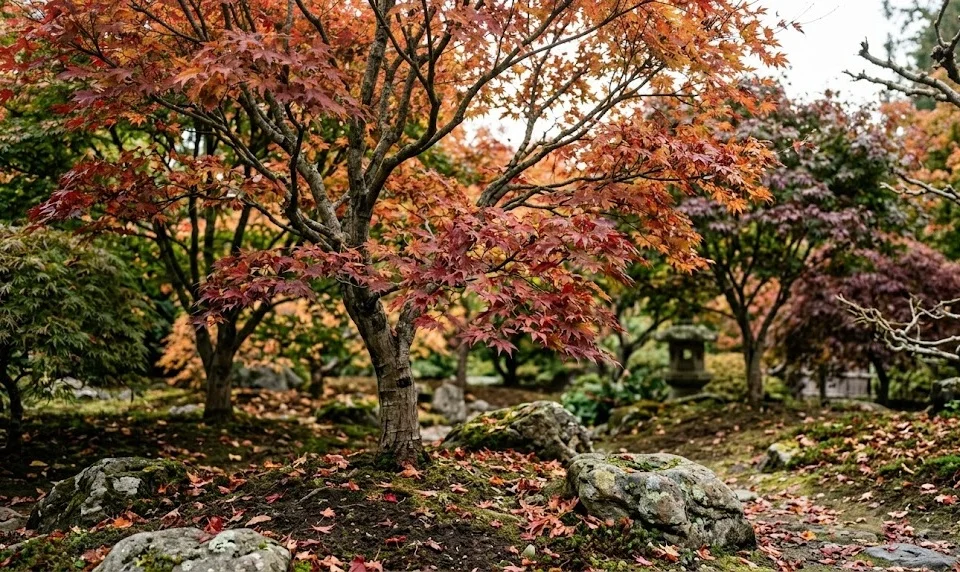

Maintaining the health of a Japanese maple requires a vigilant eye and a proactive approach to identifying potential threats from pathogens and insects. While these trees are generally robust when grown in the correct environment, they can fall victim to several specific issues if they become stressed or weakened. You should view pest and disease management as a part of a broader health strategy that starts with proper cultural care. Understanding the early symptoms of common problems will allow you to intervene before any lasting damage occurs to your specimen.
Common fungal infections
One of the most persistent issues for maples in humid or poorly ventilated gardens is powdery mildew. This fungal disease appears as a white, flour-like coating on the surface of the leaves, often during the late summer months. While it is rarely fatal, it can significantly detract from the tree’s appearance and reduce its overall vigor if left unchecked. Improving air circulation around the canopy and avoiding overhead watering are the most effective ways to prevent its spread.
Verticillium wilt is a much more serious fungal condition that affects the vascular system of the tree, often leading to sudden branch dieback. You might notice the leaves on a single limb suddenly wilting and turning brown while the rest of the tree looks healthy. This pathogen lives in the soil and enters through the roots, making it very difficult to treat once the infection is established. Professional diagnosis often involves looking for dark streaks in the wood underneath the bark of affected branches.
Anthracnose is another fungal disease that can cause unsightly spots and blotches on the foliage, especially during cool, wet springs. In severe cases, it can cause premature leaf drop, although the tree will usually produce a second flush of leaves once the weather dries out. You should always rake up and dispose of fallen leaves in the autumn to reduce the amount of overwintering fungal spores. Pruning out dead or infected wood during the dormant season can also help break the disease cycle.
Root rot, caused by various Phytophthora species, is almost always a result of poor drainage and over-saturated soil. The symptoms include a general decline in vigor, small and pale leaves, and eventually the death of the entire tree. Because these pathogens thrive in wet conditions, ensuring that your soil is well-draining is the best defense you have. Once root rot has taken hold, it is very difficult to save the tree, and you should avoid planting another maple in the same spot without significant soil remediation.
More articles on this topic
Identifying insect infestations
Aphids are perhaps the most common insect pest you will encounter, often clustering on the tender new growth in the spring. These small, soft-bodied insects suck the sap from the leaves, causing them to curl and become distorted. They also excrete a sticky substance called honeydew, which can lead to the growth of black sooty mold on the foliage. A strong blast of water from a garden hose is often enough to dislodge them and keep their numbers under control.
Scale insects can be more difficult to spot because they often look like small, stationary bumps on the twigs and branches. They protect themselves with a waxy outer shell and feed on the tree’s fluids, which can lead to branch dieback if the infestation is heavy. You should check the interior branches of your tree regularly for any unusual growths or signs of stickiness. Horticultural oils applied during the dormant season are an effective way to manage scale by smothering the overwintering insects.
Japanese beetles can occasionally be a problem in some regions, skeletonizing the leaves during the mid-summer months. These metallic green beetles are highly mobile and can quickly cause significant aesthetic damage to a specimen tree. You can manually remove them in the early morning when they are less active, or use protective netting if the tree is small enough. Avoiding the use of beetle traps near your maples is wise, as these can actually attract more insects to your garden.
Spider mites are microscopic pests that thrive in hot, dry conditions and can cause the foliage to look stippled or bronzed. You might also notice very fine webbing between the leaves and stems if the infestation is severe. Increasing the humidity around your tree and ensuring it is well-hydrated can help discourage these pests. If necessary, you can use insecticidal soaps to treat the affected areas, making sure to coat both the tops and bottoms of the leaves.
More articles on this topic
Preventative health measures
The best way to manage pests and diseases is to prevent them from becoming a problem in the first place through excellent cultural care. A tree that is growing in its ideal environment with the right amount of light, water, and nutrients is much more resilient to attack. Stressed trees release chemical signals that can actually attract certain pests, so keeping your maple happy is your first line of defense. Regular observation allows you to catch small issues before they escalate into major infestations or infections.
Maintaining cleanliness in the garden is a professional standard that significantly reduces the risk of disease transmission. You should always clean your pruning tools with rubbing alcohol or a mild bleach solution between every tree to avoid spreading pathogens. Removing and destroying any diseased plant material immediately prevents spores from spreading to healthy parts of the garden. Do not compost any material that you suspect is infected with a serious fungal or bacterial disease.
Proper spacing and pruning are also vital for maintaining a healthy environment within the tree’s canopy. By allowing air to flow freely through the branches, you reduce the humidity levels that many fungi need to thrive. Thinning out crowded areas and removing crossing branches helps keep the interior of the tree dry and well-lit. This structural management is a long-term investment in the tree’s health that goes beyond mere aesthetics.
Mulching provides a barrier between the soil and the foliage, which can prevent soil-borne pathogens from splashing onto the leaves during heavy rain. It also keeps the roots cool and moist, reducing the environmental stress that often precedes a pest outbreak. You should use high-quality, aged mulch and be careful not to pile it against the trunk, which can create a moist environment perfect for rot and insects. Consistency in these basic maintenance tasks is the foundation of professional plant protection.
Natural and organic treatments
When an intervention is necessary, you should always start with the least toxic options to protect the beneficial insects in your garden. Neem oil is a popular organic choice that works as both a fungicide and an insecticide, making it a versatile tool for maple care. It is effective against aphids, scale, and powdery mildew, and it is relatively safe for use around pets and people. Always follow the label instructions carefully and avoid applying it during the hottest part of the day to prevent leaf burn.
Insecticidal soaps are another excellent option for managing soft-bodied pests like aphids and mites. These products work by disrupting the cell membranes of the insects upon contact, so thorough coverage is essential for success. They have no residual effect, which means they are less likely to harm bees and other pollinators that visit the tree later. You may need to repeat the application every few days until the pest population is under control.
Encouraging natural predators like ladybugs, lacewings, and parasitic wasps can provide long-term pest control without any chemical input. You can attract these beneficial insects by planting a variety of flowers and herbs near your Japanese maple. A diverse ecosystem is much more stable and less prone to the kind of pest explosions that can damage a specimen tree. Avoiding broad-spectrum pesticides is the key to maintaining this natural balance in your landscape.
For fungal issues, baking soda sprays or milk-based solutions can sometimes be effective against mild cases of powdery mildew. These home remedies change the pH on the leaf surface, making it less hospitable for the fungus to grow. While they are not as powerful as commercial products, they can be a good first step for an environmentally conscious gardener. Professional results often come from a combination of these gentle treatments and improved cultural conditions.
Chemical control methods
In cases where a tree’s life is at risk or organic methods have failed, you may need to consider more potent chemical interventions. Systemic insecticides can be applied to the soil and absorbed by the roots, providing long-term protection against sap-sucking insects. This approach is often used for persistent scale infestations or to protect high-value specimen trees in areas with heavy pest pressure. You should consult with a professional arborist to ensure the product is appropriate for your specific tree and situation.
Fungicides containing copper or sulfur are often used as preventative treatments for recurring issues like anthracnose or leaf spot. These products are typically applied in the early spring before the buds open to provide a protective barrier on the emerging tissues. It is important to remember that most fungicides are preventative rather than curative, so timing is everything. Once a leaf is heavily infected, the chemical will not “heal” the spot, but it can prevent the infection from spreading further.
When using any chemical product, you must be extremely mindful of the weather conditions and the health of the surrounding environment. Never spray on a windy day, as the drift can damage other sensitive plants or contaminate water sources. You should also wear appropriate protective gear and follow all safety protocols listed on the product label. Professional-grade chemicals are powerful tools that require a high level of responsibility and knowledge to use correctly.
Ultimately, the goal of any treatment program should be to return the tree to a state where it can defend itself naturally. Chemical controls should be seen as a temporary measure to get a severe problem under control rather than a permanent part of your maintenance routine. Once the immediate threat is gone, you should focus on improving the tree’s environment and health to prevent future issues. A balanced approach that prioritizes long-term vigor is the most sustainable way to enjoy your Japanese maple for years to face.