
Understanding the light requirements of the fan columbine is crucial for achieving the perfect balance between healthy foliage growth and a prolific display of flowers. This species is naturally an inhabitant of woodland edges and mountain slopes, environments where the light is often filtered and dynamic rather than intense and constant. Placing your plant in a location that respects these origins will ensure it remains vibrant and avoids the stress of overexposure. The way light interacts with the delicate leaves of this plant can dramatically influence its overall aesthetic and longevity.
In most garden settings, the fan columbine performs best in a position that offers partial shade, particularly during the hottest hours of the afternoon. While it can tolerate a few hours of direct morning sun, the intense rays of the midday sun can quickly lead to leaf scorch and a general decline in vigor. A spot that receives dappled sunlight through the canopy of a nearby tree or the shadow of a tall hedge is often ideal. This environment mimics the “bright shade” of its native habitats, providing enough energy for photosynthesis without the risk of overheating.
If the plant receives too little light, you may notice that it becomes “leggy,” with long, weak stems that struggle to support the weight of the flowers. The foliage may also lose some of its characteristic blue-green tint, becoming a paler, less attractive shade of green. Conversely, too much direct light can cause the colors of the blossoms to fade more quickly, reducing the impact of their elegant display. Finding that “Goldilocks” zone of light is a key task for the gardener who wants to see this perennial at its absolute best.
The geographical location of your garden will also play a role in determining the ideal light level for your columbines. In cooler, northern climates, the plants can often handle more direct sun than they could in warmer, southern regions where the sun’s intensity is much higher. Observing how your plants respond to the specific light conditions in your yard over the course of a full season is the best way to fine-tune their placement. This attentive approach allows you to make adjustments that will pay off in healthier, more beautiful plants.
The impact of light on blooming and foliage color
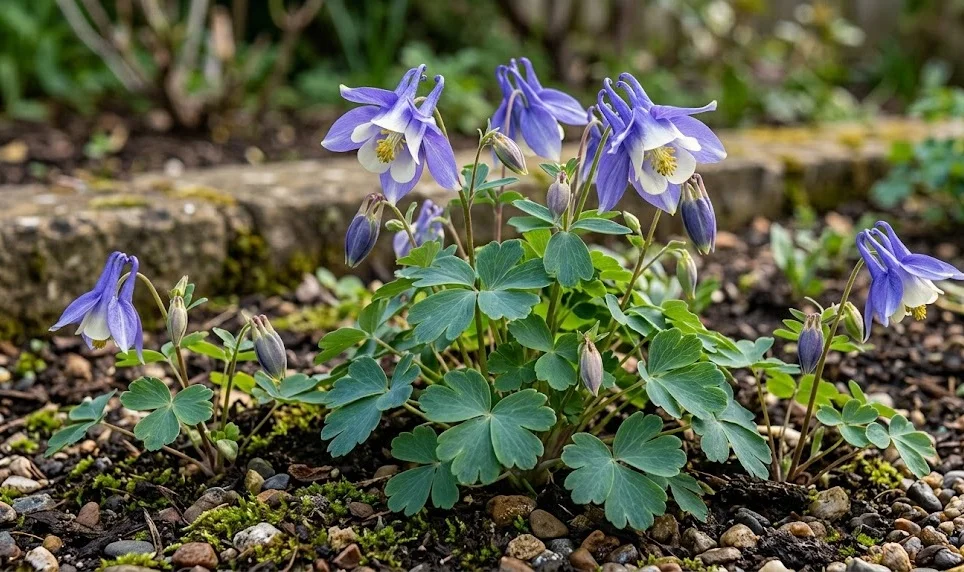
The quality and duration of light have a direct effect on the chemical processes that produce the beautiful colors in both the leaves and the flowers of the fan columbine. The blue-green hue of the foliage is a result of specific pigments that are most stable under filtered light conditions. In too much shade, these pigments may not develop fully, leading to a more generic green appearance. However, the most spectacular change occurs in the flowers, where the intensity of the purples, blues, and whites is highly dependent on the light environment.
More articles on this topic
Morning sunlight is particularly beneficial as it provides the energy needed for the plant to start its day without the accompanying heat of the afternoon. This early light encourages the development of strong flower stalks and a high number of buds per plant. Many professional growers find that a location with east-facing exposure provides the perfect balance for these mountain-dwelling perennials. It allows the plants to dry off any morning dew quickly, which also helps in preventing fungal issues.
If you find that your plants are not blooming as well as they should, it may be a sign that they are in too much shade. While they love the cool air of a shaded spot, they still need enough light energy to produce the complex structures of their spurred flowers. Try thinning out some overhanging branches or moving the plants slightly forward in the border to catch a bit more of the ambient light. These small changes can often result in a much more impressive floral display the following year.
The interaction of light and humidity is another factor to consider, as plants in shaded areas often experience higher localized humidity. While the columbine enjoys a humid environment, it also needs enough light and air movement to prevent the air from becoming stagnant. A spot that is bright but protected from the wind usually provides the best of both worlds. By considering these factors together, you create a microclimate where the plant’s colors can truly shine.
Managing light intensity and heat stress
Heat stress is a common issue for the fan columbine, especially during mid-summer heatwaves when the light intensity is at its peak. When the plant is exposed to more light and heat than it can process, it will often enter a defensive state where the leaves may curl or even begin to die back. This is the plant’s way of reducing its surface area and conserving moisture, but it can be very hard on its overall health. Providing temporary shade during these extreme periods can be a lifesaver for your prized specimens.
More articles on this topic
One creative way to manage light intensity is through the use of “companion shading,” where taller plants are positioned to cast shadows on the columbines during the hottest part of the day. Perennials with airy foliage, like certain ornamental grasses or taller woodland flowers, can provide a moving pattern of shade that protects the lower-growing columbines. This ecological approach to light management creates a more natural-looking garden and reduces the need for artificial structures. It also helps to keep the soil temperature lower, which is just as important as protecting the leaves.
If you notice that the leaves are developing brown, crispy edges, this is a clear sign of leaf scorch caused by a combination of high light and low moisture. In this situation, the plant is transpiring water faster than the roots can take it up, and the tissues are literally drying out. Increasing your watering frequency and moving the plant to a more protected location are the immediate steps you should take. Over time, these scorch marks will not heal, so it is best to prevent them from occurring in the first place through careful site selection.
Finally, remember that the light requirements can change as the plant moves through its seasonal cycle. In the early spring, when the trees have not yet fully leafed out, the columbines can enjoy a burst of direct light that helps them get off to a strong start. As the canopy closes in, they transition into their preferred shaded environment for the summer. This natural progression is perfectly aligned with the plant’s needs, and as a gardener, your goal is simply to facilitate this harmony.