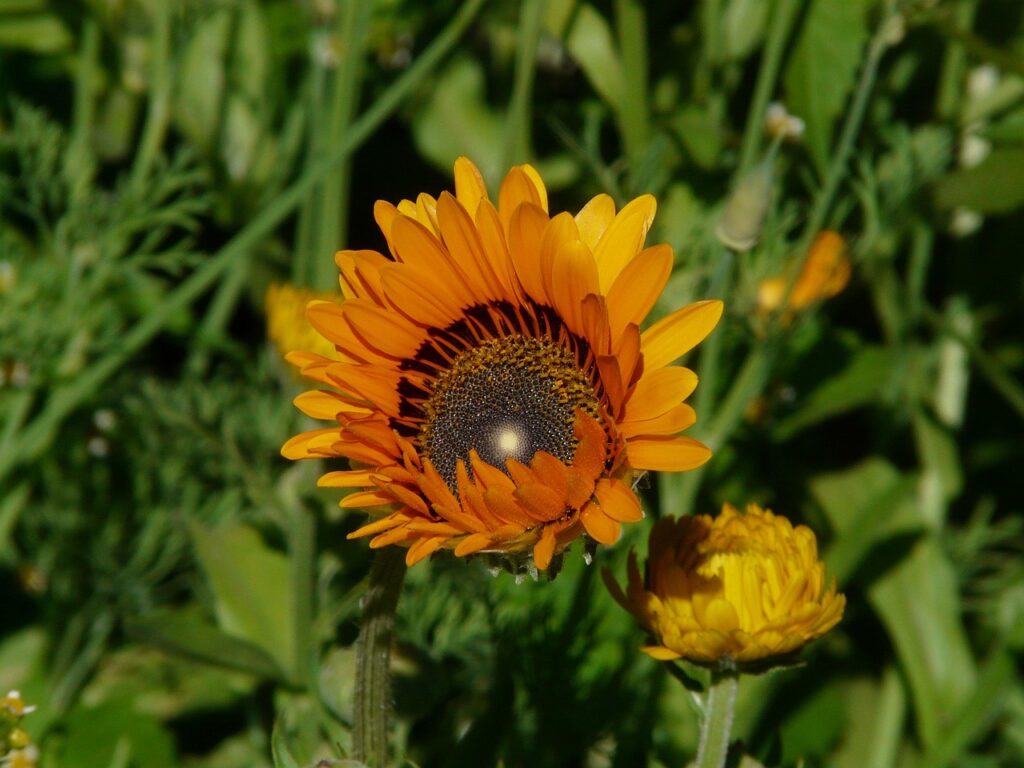

Maintaining a vibrant garden requires a deep understanding of the specific needs of each plant species you choose to cultivate. The painted daisy is a particularly rewarding choice for those who appreciate a splash of tricolor brilliance in their flower beds during the summer months. You will find that while these plants are relatively hardy, they do demand a certain level of consistent attention to reach their full aesthetic potential. By following professional guidelines, you can ensure that your garden remains a lush and colorful sanctuary throughout the growing season.
Successful care begins with selecting the right location within your garden layout to provide the best possible start. You should observe how the sun moves across your property to find a spot that receives the necessary intensity of light. The soil structure in this chosen area must be evaluated to ensure it provides the physical support and drainage the roots require. Taking these initial steps seriously will save you a significant amount of effort and troubleshooting as the plants mature.
Once the plants are established, your daily or weekly routine will shift toward monitoring their physiological health and growth patterns. You should keep a close eye on the foliage for any signs of stress, such as wilting or discoloration, which are often early warnings. Regular observation allows you to adjust your maintenance schedule before any minor issues become significant problems for the entire patch. Professional gardeners often keep a simple journal to track the progress and responses of their plants to various environmental changes.
Humanizing your approach to gardening means recognizing that plants are living organisms that respond to the care and environment you provide. You will notice that the painted daisy reacts quickly to changes in moisture and temperature, making it a dynamic part of your landscape. Developing a feel for the plant’s needs involves more than just following a rigid schedule; it requires intuition gained through experience. As you spend more time in your garden, you will learn to anticipate what your daisies need before they even show signs of distress.
Creating the ideal soil environment
The foundation of any healthy garden is the substrate in which the plants spend their entire lives. For the painted daisy, you need a soil that is rich in organic matter but remains light and airy enough to prevent compaction. This balance is crucial because heavy clay soils can suffocate the root system and lead to stagnant water issues. You can improve your garden soil by incorporating well-rotted compost or leaf mold prior to the planting season.
More articles on this topic
Drainage is perhaps the most critical factor when considering the soil requirements for these specific flowers. If the water cannot move freely through the soil profile, the roots will quickly succumb to rot and other fungal pathogens. You might consider building raised beds if your natural garden soil is too heavy or prone to pooling after rain. Adding a bit of coarse sand or perlite can also help to increase the porosity of the soil in smaller planting areas.
Nutrient availability is another aspect of the soil environment that requires your professional attention throughout the year. While the painted daisy is not an overly greedy feeder, it does require a steady supply of essential minerals to produce its characteristic blooms. You should perform a simple soil test to determine the pH levels and the concentration of nitrogen, phosphorus, and potassium. Most experienced growers aim for a slightly acidic to neutral pH range to maximize nutrient uptake efficiency.
Biological activity within the soil also plays a vital role in the long-term health of your floral displays. Encouraging beneficial microbes and earthworms will help to maintain a healthy soil structure and break down organic materials. You should avoid over-tilling the soil, as this can disrupt the delicate ecosystem that supports plant life below the surface. Mulching the top layer of the soil is an excellent way to protect this biological community while also conserving moisture.
Managing the growth and development stages
As your daisies transition from young seedlings into mature flowering plants, their physical requirements will change significantly. During the early vegetative stage, the focus should be on developing a strong and extensive root system to support future growth. You will notice the stems becoming thicker and the leaf density increasing as the plant prepares for its reproductive phase. Providing a bit of extra nitrogen during this time can help stimulate the lush green growth you desire.
More articles on this topic
When the first flower buds begin to appear, the plant’s internal chemistry shifts toward bloom production. You should be careful not to disturb the plants too much during this sensitive transition period in their life cycle. The energy requirements for producing large, colorful flowers are quite high, so the plant needs a stable environment to thrive. Observing the timing of the first buds will help you predict the peak flowering period for your specific garden climate.
Supporting the physical weight of the blooms is often necessary, especially if you live in an area prone to summer storms or high winds. You can use discrete bamboo stakes or specialized garden hoops to keep the stems upright and prevent them from breaking under the weight of the flowers. Installing these supports early in the season is much easier than trying to fix a collapsed plant later on. This proactive approach ensures that your garden always looks tidy and professional, regardless of the weather conditions.
The final stage of the seasonal cycle involves the decline of the blooms and the preparation for seed production. If you want to prolong the flowering season, you must actively manage the plant’s reproductive efforts by removing spent flowers. This process, known as deadheading, prevents the plant from putting all its energy into making seeds. By intercepting this natural process, you encourage the daisy to produce a second or even third flush of beautiful flowers.
Environmental stress and adaptation
Every garden faces periods of environmental stress, ranging from unexpected heatwaves to prolonged dry spells or sudden heavy rains. The painted daisy is quite resilient, but it still requires your assistance to navigate these challenging conditions successfully. You will see the leaves curling or drooping during the hottest part of the day as a natural defense mechanism. Providing temporary shade or increasing the humidity around the plants can help them recover more quickly from heat stress.
Wind protection is another factor that is often overlooked by many home gardeners but is vital for taller flower species. Constant exposure to strong winds can increase the rate of transpiration, leading to rapid dehydration of the foliage. You might consider planting a windbreak of sturdier shrubs or using garden fabric to create a calmer microclimate for your flowers. A protected environment allows the daisies to focus their energy on growth rather than just surviving the elements.
Fluctuations in temperature between day and night can also impact the growth rate and flowering quality of your daisies. While they enjoy the warmth of the sun, excessively high night temperatures can sometimes lead to reduced bloom longevity. You can help regulate the ground temperature by maintaining a thick layer of organic mulch around the base of the plants. This thermal blanket keeps the roots cool during the day and provides a buffer against cooling at night.
Urban gardening presents its own set of unique stressors, such as air pollution and reflected heat from nearby structures. If you are growing daisies in a city environment, you should wash the foliage occasionally to remove dust and pollutants. You must also be aware that paved surfaces can radiate heat long after the sun has set, potentially overheating your plants. Choosing containers with light colors can help reflect some of this heat and keep the potting mix at a safer temperature.
Seasonal maintenance routines
A successful gardener knows that consistency is the key to maintaining a professional-looking landscape throughout the year. You should establish a weekly routine that includes checking for weeds, inspecting for pests, and assessing the moisture levels. Weeds compete with your daisies for both water and nutrients, so removing them while they are small is a priority. Taking twenty minutes a few times a week to tidy up the beds will prevent the garden from becoming overwhelmed by wild growth.
In the middle of the summer, your maintenance focus will likely shift toward maximizing the duration of the flower display. This is the time when your deadheading efforts will be most intensive, as the plants are in their peak production phase. You should also check any ties or supports to make sure they are not cutting into the growing stems as they thicken. A gentle touch is required when working around the mature plants to avoid damaging the delicate flower heads.
As the season begins to wind down in late summer, you can start to reduce the intensity of your maintenance tasks. The growth rate of the plants will naturally slow as the days become shorter and the temperatures begin to drop. This is a good time to evaluate which varieties performed best in your garden and make notes for the following year. You might also decide to let a few flower heads go to seed if you wish to collect them for future planting.
Cleanliness in the garden bed is essential for preventing the carryover of diseases from one season to the next. You should remove any fallen leaves or debris that might harbor pathogens or provide a hiding place for unwanted insects. A tidy garden is not just about aesthetics; it is a fundamental part of a professional pest and disease management strategy. Ending the season with a clean site will give your garden a much better start when the following spring arrives.
Enhancing the aesthetic value of your garden
The painted daisy is a versatile plant that can be used in various ways to enhance the visual appeal of your outdoor space. You can plant them in large drifts for a dramatic, meadow-like effect that attracts butterflies and other beneficial pollinators. Alternatively, they work very well as mid-border plants, providing a colorful bridge between lower groundcovers and taller background shrubs. Experimenting with different color combinations can result in a truly unique and personalized garden design.
Consider the textures of the plants you choose to pair with your daisies to create a sophisticated and layered look. The fine, feathery foliage of the painted daisy provides an excellent contrast to plants with large, bold leaves. You can also play with different heights to create a sense of depth and movement within your flower beds. Using a mix of perennials and annuals ensures that there is always something interesting to look at, even when the daisies are not in bloom.
The longevity of the flowers makes them an excellent choice for cutting and bringing into your home for floral arrangements. You should cut the stems early in the morning when the moisture content is at its highest for the best vase life. Using clean shears and changing the water in the vase frequently will keep your indoor displays looking fresh for a week or more. Sharing these bouquets with friends and neighbors is a wonderful way to spread the joy of your gardening success.
Lighting can also play a role in how your garden is perceived, especially during the early morning or late evening hours. Position your daisies where the low-angled sun can catch the vibrant colors of the petals and make them glow. If you have outdoor garden lighting, you can highlight specific patches to extend the enjoyment of your garden into the night. A well-planned garden should offer visual interest and emotional satisfaction at all times of the day.
Long term sustainability and garden health
Focusing on sustainable practices ensures that your garden remains productive and beautiful for many years to come. You should aim to reduce your reliance on chemical inputs by fostering a natural balance within your garden ecosystem. Encouraging birds, predatory insects, and other wildlife will help keep pest populations in check without the need for harsh sprays. A healthy, biodiverse garden is more resilient and requires less intervention from you over the long term.
Water conservation is an increasingly important consideration for every professional and hobbyist gardener alike. You can reduce your water usage by installing a drip irrigation system or using rain barrels to collect water from your roof. Mulching, as mentioned before, is one of the most effective ways to keep moisture in the soil where the plants can use it. These small changes not only benefit the environment but also reduce your utility costs and the time spent on manual watering.
The health of your soil should be treated as a long-term investment that you add to every single year. Instead of relying solely on bagged fertilizers, you should try to produce your own high-quality compost from kitchen and garden waste. This “black gold” returns vital nutrients to the earth and improves the soil structure in a way that synthetic products cannot match. Over time, you will find that your soil becomes easier to work and much more productive.
Sharing your knowledge and experience with the local gardening community is a great way to promote the hobby and learn new tips. You might consider joining a local club or participating in a community garden project to exchange ideas and seeds. Gardening is a continuous learning process, and there is always something new to discover about the plants we love. By fostering a culture of care and sustainability, you contribute to a greener and more beautiful world for everyone.
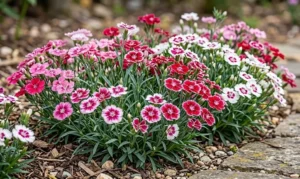
The painted daisy, or Tanacetum coccineum, is such a cheerful and rewarding plant to have in the summer garden. Its vibrant, multi-colored flowers are a real standout and never fail to draw attention. I find that they prefer a spot in full sun with soil that is well-drained but stays consistently moist. Adding a bit of compost to the soil before planting can really help them thrive. I’ve noticed that they can sometimes become a bit leggy if they aren’t deadheaded regularly. Cutting off the spent flowers not only keeps the plant looking tidy but also encourages a longer flowering period.
I completely agree about the deadheading—it really does make a huge difference in how long they stay in bloom. I’ve also found that they are very effective as cut flowers and can last for a long time in a vase. The finely-cut, fern-like foliage is also very attractive and adds a nice bit of texture to the garden even when the plants aren’t in bloom. Have you ever tried dividing your clumps? I find that doing it every few years in the early spring helps keep the plants vigorous and prevents them from becoming too crowded. It’s a very easy way to get even more of these beautiful daisies for free.
One of the things I love most about painted daisies is how attractive they are to butterflies and other pollinators. It’s always so busy around them on a sunny summer day. I’ve found that they are very resistant to most common garden pests, though you should keep an eye out for aphids on the tender new growth. They are also quite drought-tolerant once they are established, which is a big plus in my area. I usually mulch mine with a bit of shredded bark to help retain moisture and keep the roots cool. They are such a low-maintenance and rewarding plant to have in the garden.
If you want to keep your painted daisies looking their best, it’s important to provide them with a balanced liquid fertilizer in the early spring. This gives them that extra boost of energy they need for a spectacular floral display. I’ve noticed that they can sometimes be a bit sensitive to very hot and humid weather, so a spot with good air circulation is a must. They look great when planted in large groups or drifts for a high-impact display. I’ve also found that they are very easy to grow from seed, though it might take a couple of years before they start flowering well. Overall, they are a fantastic and easy-to-grow perennial for any sunny garden.