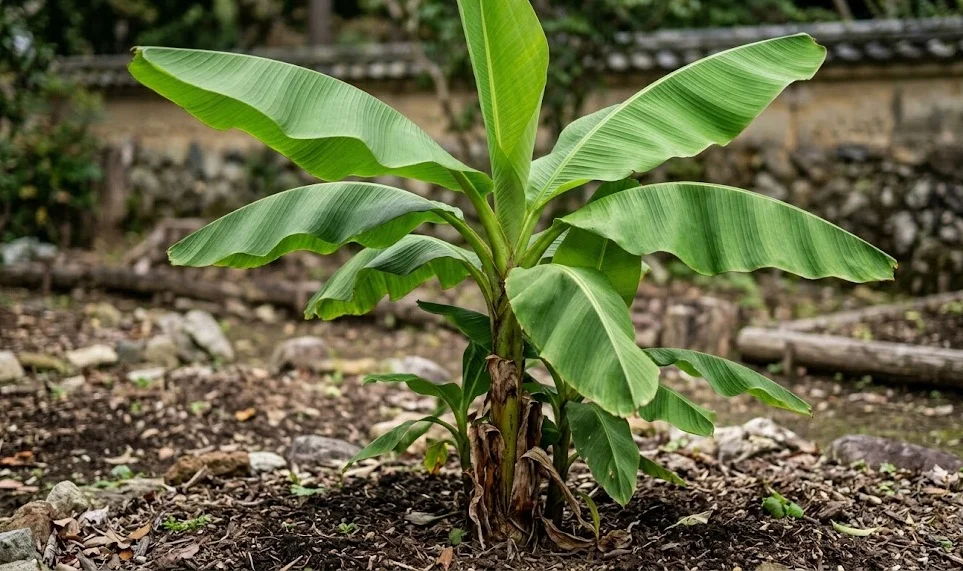

Managing the Japanese banana requires a deep understanding of its unique growth patterns and physiological needs to ensure a lush, tropical appearance even in temperate climates. This plant is renowned for its incredible growth rate and its ability to transform a standard garden into an exotic paradise within a single growing season. While it is hardier than many of its tropical cousins, success depends on a consistent care routine that respects its specific requirements for nutrients and protection. By paying close attention to the signals the plant provides through its foliage, you can maintain a specimen that remains vibrant and healthy year after year.
Understanding the growth cycle
The growth cycle of this hardy banana is primarily driven by the warmth of the soil and the intensity of the summer sun. Once the ground warms up in late spring, the rhizome begins to push out new shoots with remarkable speed. You will notice that a single leaf can unfurl in just a few days during the peak of the growing season. This rapid expansion demands a stable environment where the plant can focus its energy on building a strong pseudostem.
During the height of summer, the plant reaches its maximum metabolic rate and requires the most attention from the gardener. It is during this period that the large, paddle-shaped leaves are most vulnerable to wind damage and dehydration. Keeping the plant sheltered from strong gusts is essential to prevent the leaves from shredding, which can reduce the overall photosynthetic efficiency. Monitoring the plant daily allows you to catch any signs of stress before they become significant issues.
As the days begin to shorten in the autumn, the plant naturally starts to slow its growth in preparation for the cooler months ahead. The production of new leaves will taper off, and the plant will begin to store energy in its underground rhizome for the winter dormancy. This transition is a critical time to reduce certain types of care, such as heavy nitrogen feeding, to avoid encouraging soft growth that might be damaged by early frosts. Understanding these seasonal shifts helps you time your interventions perfectly.
Finally, the dormant phase is just as important as the active growth phase for the long-term health of the plant. Even though the visible parts of the plant may die back or be cut down, the life of the banana continues beneath the soil surface. Protecting the root system during this time ensures that the plant has the necessary reserves to explode back into life when spring returns. Proper care during this quiet period is the foundation for the massive growth you expect the following summer.
More articles on this topic
Optimizing the soil environment
The foundation of a healthy banana plant is undoubtedly the soil in which its extensive root system resides. These plants are heavy feeders and require a medium that is rich in organic matter and capable of retaining moisture without becoming waterlogged. A mixture of well-rotted manure, compost, and loamy garden soil provides the perfect balance of nutrients and structure. Ensuring the soil is slightly acidic to neutral will also facilitate the uptake of essential minerals.
Drainage is perhaps the most critical factor when considering the soil environment for this species. While the plant loves water, it cannot tolerate standing in saturated soil, which can quickly lead to root rot and the eventual death of the rhizome. Incorporating coarse sand or perlite into the planting hole can help improve the internal drainage of heavier clay soils. You should always observe how water behaves in the planting area after a heavy rain to ensure it moves away efficiently.
Maintaining soil fertility throughout the growing season is a continuous process that involves more than just initial preparation. Mulching the base of the plant with organic materials serves multiple purposes, including suppressing weeds and slowly releasing nutrients as the mulch decomposes. This layer also helps to regulate soil temperature, keeping the roots cool during the heat of summer and providing a buffer against sudden changes. A thick layer of bark or straw is often the best choice for this task.
Soil aeration is an often overlooked aspect of banana care that can significantly impact growth performance. Because these plants grow so quickly, the soil around the base can become compacted over time, limiting the oxygen available to the roots. Gently loosening the top few inches of soil with a hand fork can help, provided you are careful not to damage the shallow root system. A well-aerated soil allows for better water penetration and encourages the beneficial microbial activity that supports plant health.
More articles on this topic
Foliage maintenance and aesthetics
The leaves are the most striking feature of the Japanese banana, and keeping them in top condition is a primary goal for any enthusiast. These large surfaces are responsible for the plant’s energy production, so maintaining their health is both an aesthetic and a physiological necessity. Dust and debris can accumulate on the leaves, especially in urban environments, which can slightly hinder photosynthesis. Occasionally rinsing the foliage with a gentle spray of water can keep the leaves clean and functioning optimally.
Wind is the primary enemy of the banana’s beautiful, broad foliage, often causing the leaves to tear along their natural veins. While some degree of tearing is natural and gives the plant a rugged, tropical look, excessive damage can be avoided by selecting a sheltered planting site. If a leaf becomes severely damaged or starts to turn yellow, it is best to remove it to redirect the plant’s energy to newer growth. Always use sharp, sterilized tools when cutting the foliage to prevent the introduction of pathogens.
Yellowing leaves at the bottom of the pseudostem are a normal part of the plant’s aging process and should not necessarily cause alarm. As new leaves emerge from the center of the crown, the oldest ones naturally die off to make room and recycle nutrients. You can wait until these leaves are completely brown before removing them, or trim them earlier if you prefer a cleaner appearance. Consistent removal of dead material also helps to reduce hiding places for potential pests.
During periods of high humidity, the leaves may exhibit a phenomenon called guttation, where small droplets of water appear on the tips. This is a sign that the plant is effectively moving water through its system and is generally a marker of good health. However, if you notice brown or crispy edges on the leaves, it may indicate that the air is too dry or the plant is underwatered. Balancing environmental moisture and root hydration is the key to maintaining that perfect, deep green color.
Monitoring growth and development
Tracking the progress of your banana plant provides valuable insights into its overall health and the effectiveness of your care routine. You should observe the emergence of the “cigar leaf,” which is the tightly rolled new leaf as it pushes out from the top. The frequency and size of these new leaves are the best indicators of whether the plant is receiving adequate light, water, and nutrients. Healthy specimens will produce leaves that are progressively larger as the season advances.
The thickness and stability of the pseudostem are also important indicators of the plant’s structural integrity. A thick, sturdy stem suggests that the plant is storing plenty of water and nutrients, which will help it withstand environmental stresses. If the stem appears thin or leaning, it might be an indication that the plant is reaching for more light or that the root system is restricted. Providing structural support or adjusting the environment can help the plant regain its vigor.
As the plant matures, it will begin to produce “pups” or offsets from the base of the main pseudostem. Monitoring the development of these pups is essential for managing the overall size and shape of the plant cluster. While you may want a large, multi-stemmed colony, having too many pups can create competition for resources. Deciding which pups to keep and which to remove is a regular part of growth monitoring.
Finally, keep an eye out for the unusual flowering process, although this is rare in cooler climates and usually only occurs on very mature plants. The appearance of a large, drooping bud indicates that the pseudostem has reached the end of its life cycle and will die after flowering. While the fruit produced by this species is not typically palatable, the flower itself is a spectacular sight. Documenting these milestones helps you understand the long-term patterns of your specific garden environment.
Microclimate and environmental positioning
Creating a favorable microclimate is one of the most effective ways to ensure your Japanese banana thrives outside of its native range. These plants benefit immensely from being placed near a south-facing wall or a structure that can radiate heat during the night. This extra warmth can extend the growing season by several weeks and protect the plant from late spring or early autumn temperature dips. The positioning of the plant can be the difference between a struggling specimen and a garden centerpiece.
In addition to heat, humidity plays a significant role in the health of the foliage and the overall transpiration rate of the plant. If you live in an arid region, you might consider grouping the banana with other large-leaved plants to create a pocket of higher humidity. Misting the leaves during the early morning hours can also provide a temporary boost in moisture levels. Avoiding areas with constant, drying winds will prevent the plant from losing moisture faster than the roots can supply it.
The relationship between light and heat must be carefully managed to prevent leaf scorch while still providing enough energy for growth. While the Japanese banana loves bright light, the combination of intense midday sun and very high temperatures can sometimes stress the plant. If you notice the leaves folding upward or “closing,” it is a natural defense mechanism to reduce surface area and water loss. Providing some light afternoon shade can be beneficial in particularly hot geographic zones.
Lastly, consider the impact of the surrounding vegetation on your banana’s performance and accessibility. Planting too close to large, established trees may result in competition for both water and soil nutrients, which can dwarf the banana’s growth. Ensure there is enough space around the plant for air to circulate freely, which helps prevent fungal issues on the leaves. A well-positioned plant is easier to maintain and much more likely to reach its full potential.
Nutrient management and seasonal feeding
The sheer volume of biomass produced by a Japanese banana in a single season necessitates a robust and consistent feeding schedule. These plants are essentially “nitrogen-hungry” during their peak growth phase in the late spring and summer months. Applying a balanced liquid fertilizer every two to three weeks can provide the immediate boost required for rapid leaf expansion. It is always better to feed in smaller, frequent doses rather than one large, overwhelming application.
Potassium is another vital element that contributes to the structural strength of the pseudostem and the plant’s overall resistance to disease. As the season progresses into mid-summer, shifting toward a fertilizer with a higher potassium content can help toughen the plant’s tissues. This is especially important if you are hoping to encourage the plant to reach a significant height or eventually produce a flower. Organic options like seaweed extract are excellent sources of trace minerals that support long-term vitality.
The method of application is just as important as the type of fertilizer used to ensure the roots can access the nutrients. Always water the plant thoroughly before applying liquid fertilizer to prevent potential root burn and to help the nutrients penetrate deeper into the soil. Aim the application around the “drip line” of the leaves, where the most active feeder roots are located. Avoid getting high-concentration fertilizers directly on the pseudostem or the foliage to prevent localized damage.
As the weather cools down in late summer, you should gradually reduce the frequency of fertilization to allow the plant to harden off. Continuing to push high-nitrogen growth into the autumn can make the plant more susceptible to frost damage, as the new tissues will be soft and watery. The final feeding of the year should occur at least a month before the first expected frost. This strategic withdrawal of nutrients is a key part of preparing the plant for its winter rest.
Long-term health and sustainability
Maintaining a Japanese banana over several years requires a sustainable approach that prioritizes the health of the rhizome over temporary aesthetic gains. While it might be tempting to push the plant to its limits with excessive water and fertilizer, this can sometimes lead to a weakened system that is more vulnerable to stress. Focusing on building a resilient root system through proper soil management and natural amendments ensures the plant’s longevity. A healthy rhizome can survive for many years, producing new stems even if the old ones are lost.
Regularly assessing the density of your banana grove is part of a sustainable maintenance plan for the garden. Overcrowding can lead to poor air circulation and increased competition for light, which may invite pests or diseases. By selectively thinning the pups every few years, you can keep the colony looking tidy and ensure that each individual stem has the resources it needs. This practice also provides an opportunity to share offspring with other gardeners or expand your own collection.
Integrating the banana into a diverse garden ecosystem can also contribute to its long-term success and reduce the need for chemical interventions. Predatory insects that live on nearby flowering plants can help keep common banana pests like spider mites in check. Using organic mulches and composts fosters a healthy soil biome that naturally protects the plant from soil-borne pathogens. A balanced, diverse garden is the best defense against many of the problems that can plague isolated specimens.
Finally, keep a garden journal to record the specific needs and behaviors of your Japanese banana throughout the different seasons. Note the dates of the first and last frosts, the frequency of watering during heatwaves, and the plant’s response to different types of fertilizer. Over time, this personal data will become your most valuable tool for perfecting the care of this exotic giant. Every garden is a unique micro-environment, and your observations are the key to mastering the art of growing these magnificent plants.