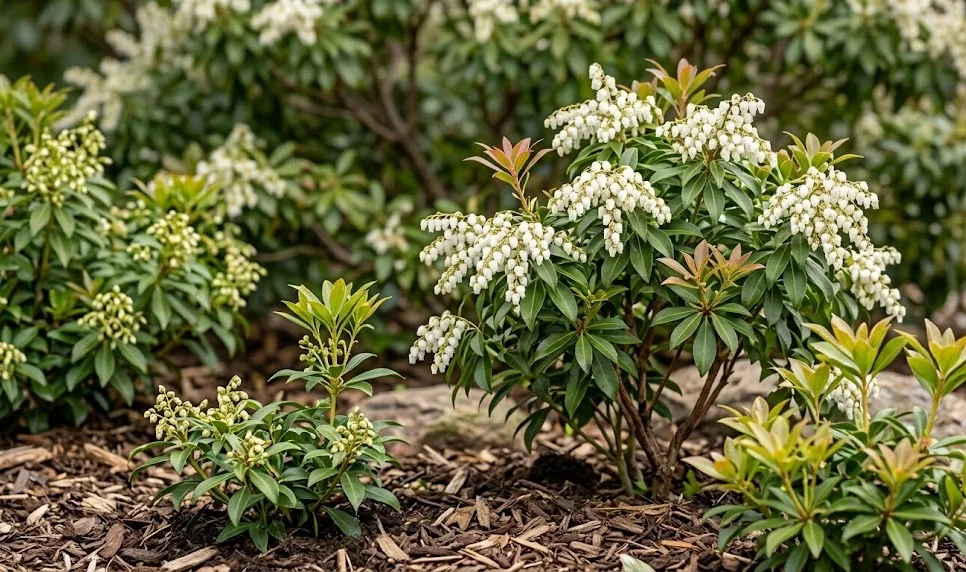

Understanding the light requirements of Japanese andromeda is essential for achieving the perfect balance between healthy foliage growth and abundant flower production. In its native habitat, this shrub grows in the dappled light of woodland edges, where it is protected from the harshest rays of the sun by a canopy of taller trees. You must strive to replicate this “high shade” environment in your garden to prevent the leaves from scorching while still providing enough energy for the plant to thrive. A specimen placed in the correct light will exhibit the vibrant leaf colors and cascading blooms that make this species so desirable.
The ideal light exposure for most varieties of this shrub is morning sun followed by filtered or partial shade in the afternoon. The gentle light of the morning allows the plant to photosynthesize efficiently without the intense heat that accompanies the midday sun. By the time the temperatures reach their peak, the plant should ideally be in a spot where it is shielded by the shadow of a building or the light foliage of an overhanging tree. This protection is particularly important in regions with hot summers, where the combination of high light intensity and heat can quickly overwhelm the plant’s defenses.
While the Japanese andromeda is often classified as a shade-loving plant, it is important to distinguish between “partial shade” and “deep shade.” If the plant is situated in a location that is too dark, such as under a very dense evergreen or in a narrow north-facing alley, it will become leggy and sparse. Furthermore, the lack of sufficient light will significantly reduce the number of flower buds the plant produces, leading to a disappointing floral display in the spring. You should look for a spot where the light is “bright but indirect” for the best overall results.
The specific variety you choose may also influence its light preferences, as cultivars with variegated or very light-colored leaves are often more sensitive to sun exposure. Varieties like ‘Little Heath’ or ‘Flaming Silver’, which feature white or cream-colored leaf margins, can burn easily if they receive more than a few hours of direct sun. Conversely, some of the dark green, more robust varieties may handle a bit more sun, provided they are kept well-watered. Always check the specific recommendations for your chosen cultivar to ensure you are meeting its unique environmental needs.
Managing the effects of excessive sun exposure
When a Japanese andromeda receives too much direct sunlight, especially during the heat of the summer, it will quickly show signs of stress. The most common symptom is “sunscald,” which appears as bleached, papery, or brown patches on the upper surface of the leaves that are most exposed to the sun. This damage is not only unsightly but also reduces the plant’s ability to produce energy, leading to a general decline in vigor over time. If you notice these symptoms, you should consider providing some form of temporary shade or moving the plant to a more suitable location.
More articles on this topic
Excessive light often goes hand-in-hand with heat stress, which can cause the plant to wilt even if the soil is relatively moist. When the leaves are heated by direct sun, they lose water through transpiration faster than the roots can supply it, leading to a loss of turgor pressure in the stems. Over time, this chronic stress can make the plant more susceptible to pests like lace bugs, which are particularly fond of shrubs growing in sunny, hot spots. Maintaining a cool root zone through heavy mulching can help mitigate some of the negative effects of sun exposure, but it is not a complete substitute for proper light levels.
If you have a specimen that is currently in a spot that is too sunny, you can often improve its situation by planting taller perennials or smaller trees nearby to provide some relief. This “multi-layered” planting approach not only solves the light problem but also creates a more natural and aesthetically pleasing garden design. Alternatively, you can use lattice panels or other decorative garden structures to create a permanent source of filtered light. Professional gardeners often use these creative solutions to grow sensitive plants in less-than-ideal environments.
Winter sun can be just as damaging as summer sun, leading to the desiccation and bronzing of the leaves as discussed in previous chapters. Even in the winter, you must consider the path of the sun and how it interacts with your shrub when the surrounding deciduous trees have lost their leaves. A spot that is perfectly shaded in the summer might become dangerously exposed in the winter, requiring you to implement additional protection. Being aware of these seasonal shifts in light intensity is a hallmark of an expert gardener.
Growing Japanese andromeda in shaded environments
In environments where the light is limited, such as in a heavily wooded garden or on the north side of a house, the Japanese andromeda can still be a valuable addition. Its ability to maintain its evergreen foliage in low-light conditions makes it an excellent choice for adding structure and color to dark corners of the landscape. However, you must be prepared for a slightly different growth habit, as the plant will naturally reach toward whatever light is available. This can lead to a more open, airy structure that some gardeners actually prefer for its naturalistic look.
More articles on this topic
To maximize the performance of a shrub in a shaded area, you should pay extra attention to soil quality and air circulation. Without the drying effect of the sun, the soil in shaded spots can stay wet for much longer, increasing the risk of root rot and fungal leaf diseases. You must ensure that the drainage is exceptional and that the plant is not crowded by other shade-loving species. Thinning out the lower branches of overhanging trees can also help “raise the ceiling” of the shade, allowing more reflected light to reach the shrub.
The timing of flowering in a shaded environment may be slightly delayed compared to specimens growing in more sun, and the intensity of the flower color may be more muted. However, the blooms will often last much longer in the cool shade than they would in a sunny spot where they might wither quickly. You may also find that the foliage colors, particularly the bright reds of the new growth, remain vibrant for a longer period when protected from the bleaching effect of direct sun. Each light environment offers its own unique set of benefits and challenges for this versatile shrub.
Ultimately, the best way to determine if your Japanese andromeda is receiving the right amount of light is to observe it closely over the course of a full year. If the plant is dense, the leaves are dark and glossy, and it produces a healthy crop of flowers, your chosen location is likely ideal. If it appears thin, yellowed, or fails to bloom, you should evaluate the light levels and consider making a change. By understanding and respecting the light requirements of this species, you can ensure it remains a stunning and healthy feature of your garden for many years to come.