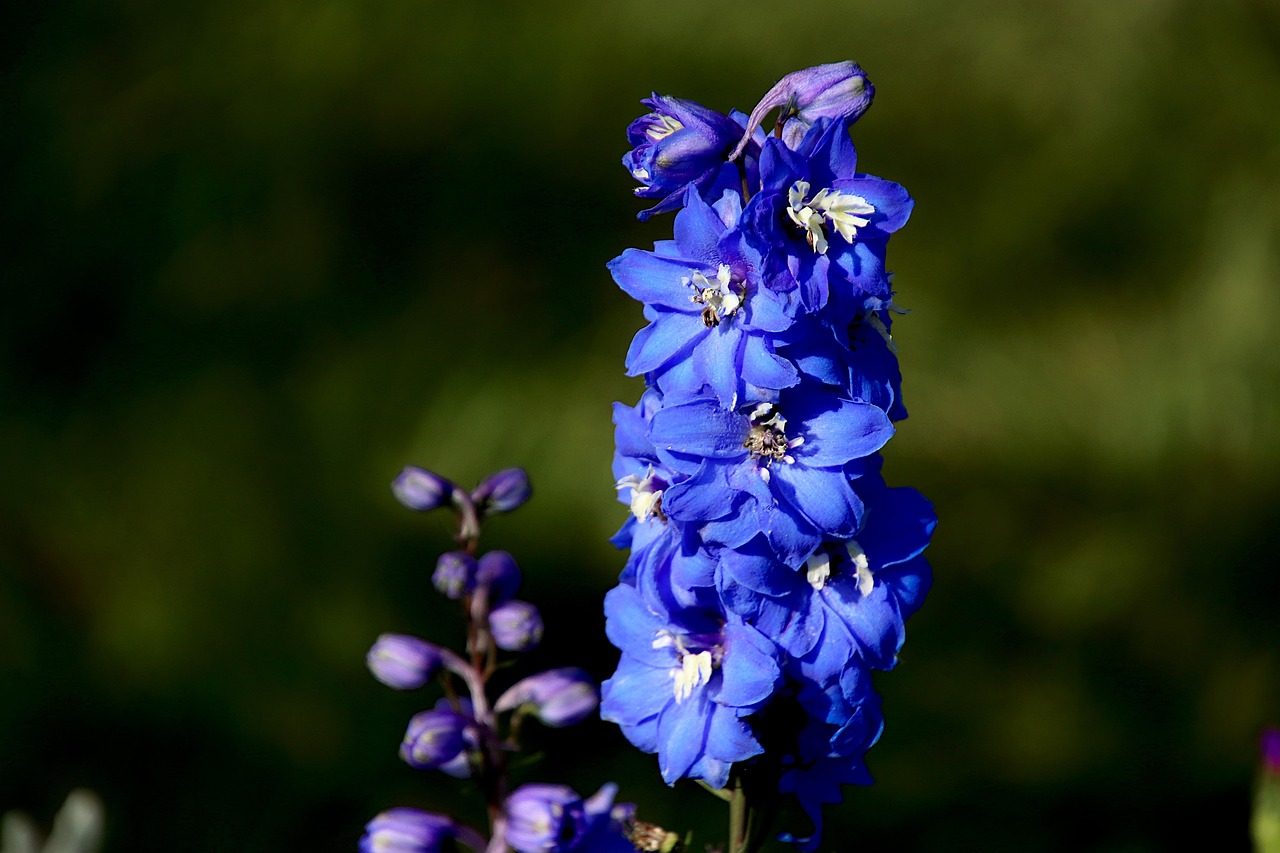

Preparing these magnificent perennials for the cold months is a critical task that ensures their survival and vigor for the following year. To protect the crowns from extreme temperatures and moisture, you must follow a specific set of procedures before the ground freezes. The process involves more than just cutting back dead foliage; it requires careful soil management and protection against the elements. By taking the time to properly overwinter your garden, you can look forward to a spectacular return of color in the spring.
Preparation for the first frost
As the days grow shorter and the temperatures begin to drop in late autumn, your plants will naturally start to enter dormancy. You will notice the vibrant green leaves turning yellow and then brown as the nutrients move from the foliage down into the root system. This is a natural and necessary process that allows the plant to store energy for the coming year. You should resist the urge to cut the plants back too early while there is still green tissue present.
Monitoring the local weather forecast becomes essential during the month of October and November. A light frost will usually kill off the remaining flowers but might not completely shut down the plant’s metabolism. It is after the first hard freeze, when the ground begins to crust, that you should start your main winter preparations. Taking action at the right moment ensures that the plant has stored as much energy as possible before being put to bed.
Before the snow falls, you should do a final check for any lingering pests or signs of disease on the stems. Removing any problematic material now will prevent it from becoming a source of infection when things warm up in the spring. Cleaning the area around the base of the plant of all fallen leaves and garden debris is also a vital step. A tidy garden bed is much less likely to provide a winter home for unwanted insects or fungal spores.
If you are growing your flowers in containers, you will need to take extra precautions to protect the roots. Pots are much more vulnerable to the freeze-thaw cycle than the open ground, which can cause the root ball to crack or rot. You might consider moving the pots into an unheated garage or burying them in a sheltered spot in the garden. This extra layer of protection can make the difference between a thriving plant and a dead one come April.
More articles on this topic
Root protection and mulching
The most dangerous part of winter for these perennials is not just the cold, but the constant freezing and thawing of the soil. This movement can actually “heave” the plants out of the ground, exposing the delicate crown and roots to the biting air. To prevent this, you should apply a generous layer of mulch after the ground has initially frozen. This layer acts as an insulator, keeping the soil at a consistent temperature throughout the winter months.
A thick layer of ten to fifteen centimeters of straw, evergreen boughs, or shredded bark is usually sufficient for most regions. This protective blanket should be spread evenly over the entire area where the roots are located. Be sure to cover the crown of the plant completely, as this is where the new growth will emerge in the spring. Using organic materials also adds a bit of nutrition back into the soil as they slowly decompose over the winter.
Avoid using heavy, wet materials like whole leaves or matted grass clippings for your winter mulch. These can create a soggy, airless environment that encourages the crown to rot during damp winter spells. The goal is to provide insulation while still allowing some air to reach the soil surface. Professional gardeners often prefer loose straw or pine needles because they stay fluffy and don’t compact under the weight of the snow.
If you live in a particularly wet climate, you might even consider placing a small piece of slate or a flat rock over the crown before mulching. This “roof” helps to shed excess water away from the center of the plant, further reducing the risk of rot. However, for most well-drained gardens, a simple layer of organic mulch is more than enough. Proper root protection is an investment in the future beauty and longevity of your garden display.
More articles on this topic
Proper cutback techniques before dormancy
Once the foliage has completely died back and the first hard frost has occurred, it is time to use your pruning shears. You should cut the hollow stems back to about five to ten centimeters above the ground level. Leaving a small portion of the stem visible helps you remember where the plants are located during the winter and early spring. It also prevents you from accidentally digging them up or stepping on the crown before the new growth appears.
Using clean, sharp tools is just as important in the late autumn as it is during the peak of the growing season. Dull blades can crush the stems, creating ragged wounds that are more likely to harbor disease or rot. You should also take this opportunity to clean and oil your garden tools before storing them for the winter. This simple act of maintenance ensures that your equipment will be ready for the busy spring season ahead.
The removed stems and leaves should be taken out of the garden entirely rather than left on the soil surface. If your plants were healthy throughout the year, this material can be added to your compost pile. However, if you struggled with mildew or other issues, it is safer to dispose of the debris in the trash. Clearing the site properly reduces the number of pests and pathogens that will be waiting for your plants in the spring.
In some very cold regions, some gardeners prefer to leave the stems standing until late winter to help trap snow for extra insulation. However, in most climates, the risks of disease and the messy appearance make autumn cutting the preferred choice. Following this professional standard helps to keep your garden looking neat even under a blanket of snow. A well-organized garden reflects your dedication and expertise as a horticulturalist throughout all four seasons.
Spring emergence and recovery care
As the snow melts and the ground begins to warm in the spring, you must be careful not to remove the winter mulch too early. A sudden late frost can easily damage the tender new shoots if they are exposed prematurely. You should wait until you see the first signs of green growth poking through the mulch before you start to clear it away. Gradually thinning the layer over a week or two is the safest way to acclimate the plants to the spring air.
Once the mulch is removed, you can gently clear away any remaining dead stems or debris from the crown. Be very careful not to damage the fragile new buds, as these will become the main flowering spikes of the season. This is also the perfect time to apply a light dressing of compost or a balanced fertilizer to fuel the spring growth spurt. Providing water during dry spring spells will also help the plants recover from their long winter sleep.
Check the stability of the soil around the base of the plant to ensure it hasn’t been disturbed by winter weather or small animals. If the crown has become exposed, gently press it back into the soil and add a small amount of fresh earth. This “tucking in” process ensures that the roots remain protected as the plant begins its rapid development. Early spring care sets the tone for the entire growing season and determines the eventual height of your flowers.
Finally, keep a close eye out for those early spring pests like slugs that are waiting for the first green leaves to appear. Setting out your traps or organic baits early will protect your investment during its most vulnerable stage. With the right overwintering techniques and careful spring management, your garden will once again be filled with towering spikes of color. Success in gardening is often a matter of preparation and following through with the right tasks at the right time.

Overwintering Delphiniums is a delicate balance of protection and preventing rot. While the plants are cold-hardy, the biggest threat is actually “winter wet” at the crown. If the soil remains saturated for long periods, the fleshy roots and crown will quickly decay. I always recommend cutting the dead stems back to just above the ground in late autumn and then clearing away any fallen leaves or debris that could trap moisture. A light covering of coarse grit or very well-drained compost over the crown can provide some insulation while still allowing air to circulate. I’ve also found that in particularly wet climates, placing a small “tent” of plastic or a piece of slate over the crown can help shed excess water. It’s about keeping the roots “sleeping” in a dry, cool bed rather than a cold, wet one.
That idea of using a piece of slate over the crown is brilliant, Arthur! I live in a part of the country where it rains almost constantly from November to March, and I’ve lost so many larkspurs to crown rot. I’ll definitely be trying that this coming winter. I’ve also noticed that the plants I grow in raised beds seem to survive the winter much better, probably because the drainage is so much better. It really confirms what you said about “winter wet” being the real enemy. Thank you for such a practical and helpful suggestion.
Is it necessary to mulch the larkspur if you already have a good snow cover? I’ve heard that snow is actually one of the best insulators for plants. In my region, we usually have a thick blanket of snow from December until March. I’m wondering if adding extra mulch on top of the soil would be redundant or perhaps even harmful by trapping too much moisture. I’d love to hear from anyone else who gardens in a snowy climate.
When I’m preparing my client’s gardens for winter, I always make sure to label the position of the larkspurs. Because they die back completely to the ground, it’s very easy to accidentally dig them up or plant something else on top of them in the early spring. I use a simple wooden stake or a permanent metal tag. It also helps to avoid stepping on the dormant crowns when you’re doing other winter maintenance. A little bit of organization goes a long way in ensuring a successful display the following year. Does anyone else have a favorite way of marking their dormant perennials?
I use large, flat stones to mark my larkspurs, Marcus. They look natural in the garden and they’re very hard to move by accident! I also find it helpful to take a quick photo of the bed in full bloom and another one in the autumn after everything has been cut back. That way, I have a visual record of where everything is for when I’m planning my spring work. It’s a simple system but it has saved me from many “oops” moments in the garden. I agree that knowing exactly where those crowns are is half the battle.
Does the age of the larkspur plant affect its ability to overwinter? I’ve noticed that my younger, first-year plants seem to be much more vulnerable than the older, more established ones. Is there anything extra I should be doing for the “babies” to help them through their first winter? I’m thinking of maybe giving them a bit more protection or perhaps even keeping them in a cold frame if they are still in pots. Any advice for the new additions to my larkspur collection would be greatly appreciated.
I’m already seeing the first tiny green shoots of my larkspur appearing through the mulch! It’s such an exciting time of year. I’ve started my slug patrol already because I know they’ll be waiting for those tender little leaves. I’m also planning my staking strategy for this year; I want to make sure I’m ready before the spikes get too tall. There’s something so satisfying about seeing a plant you’ve carefully overwintered start its new growth cycle. Fingers crossed for a spectacular display this summer!