
The defining characteristic of the purple heart—its intense violet foliage—is almost entirely dependent on the quality and quantity of light it receives. Understanding how light interacts with the plant’s pigments is essential for any professional gardener looking to achieve the best aesthetic results. Light not only influences the color but also dictates the growth habit, structural integrity, and flowering potential of the specimen. Providing the right solar exposure is the most important decision you will make in your daily care routine.
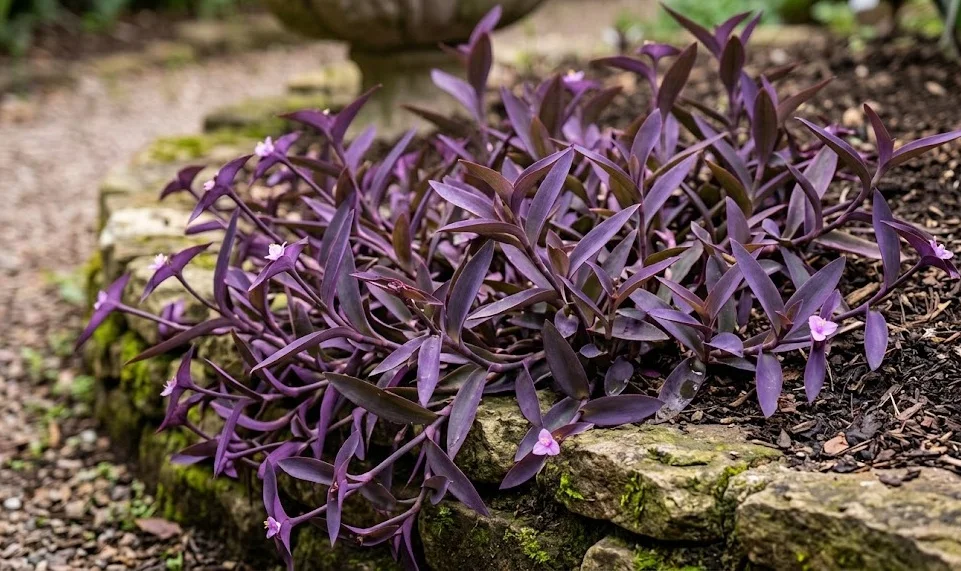
In its native habitat, this plant thrives in full sun, which is where it develops its deepest and most consistent purple hues. Sunlight triggers the production of anthocyanins, the pigments responsible for the violet and burgundy colors in the leaves. When light levels are insufficient, the plant will shift its production toward chlorophyll to maximize its energy intake, causing the leaves to turn green. Monitoring this color shift is the best way to determine if your plant is getting enough solar energy.
However, the transition to high light levels must be managed carefully to avoid leaf scorch, especially for plants that have been kept indoors. While the species loves the sun, sudden exposure to intense midday rays can damage the delicate leaf tissues before they have time to adapt. A professional approach involves a gradual introduction to brighter conditions over several days. Once acclimated, the plant will reward you with a lush, metallic sheen that is unique to this variety.
Low light conditions are the primary cause of “leggy” growth, where the stems become long, thin, and weak as they stretch toward a light source. This search for light, known as etiolation, results in a plant that looks sparse and lacks the vibrant impact of a healthy specimen. If you notice your purple heart is developing large gaps between the leaves, it is a clear signal that it needs to be moved to a brighter location. Proper light management ensures a compact, bushy, and visually striking plant.
Direct vs indirect sunlight effects
Direct sunlight is the gold standard for maintaining the health and aesthetics of the purple heart in an outdoor setting. Plants grown in at least six to eight hours of direct sun will have the thickest stems and the most vibrant leaf color. This level of exposure also encourages the production of the small, pink, three-petaled flowers that contrast beautifully with the dark foliage. Without direct sun, flowering is often sparse or non-existent, depriving the gardener of one of the plant’s most charming features.
More articles on this topic
Indoor lighting presents a different set of challenges, as window glass can filter out certain wavelengths of light and reduce overall intensity. A south-facing window is usually the best spot for an indoor purple heart, providing the most consistent and intense light throughout the day. Even in a bright window, you may find it helpful to rotate the pot every week to ensure even growth and prevent the plant from leaning. Expert indoor gardening often requires creative placement to mimic the abundance of natural outdoor light.
Bright indirect light is often recommended for many houseplants, but for the purple heart, it should be considered the minimum requirement. In indirect light, the plant will maintain its health and grow steadily, but it may lose some of the deep purple intensity it would have in the sun. This is an acceptable trade-off for many indoor displays where a softer look is desired. However, if the light is too diffused or the plant is too far from a window, it will inevitably begin to revert to a dull green color.
In extremely hot climates, some afternoon shade can actually be beneficial to prevent the plant from becoming overly stressed during the peak of the day. While it loves the sun, the combination of intense heat and direct rays can sometimes lead to minor wilting or leaf tip burn. Providing a bit of filtered light during the hottest hours helps the plant conserve moisture while still receiving enough energy for its metabolic needs. Professional light management is always about finding the perfect balance for your specific local environment.
Impacts on foliage color and structural health
The relationship between light and color is a fascinating aspect of this plant’s biology that every professional gardener should observe. The anthocyanin pigments that create the purple color also act as a natural sunscreen, protecting the plant’s internal cells from UV damage. This is why the color is most intense when the light is strongest; the plant is literally building up its own protection. When you see that deep, rich violet, you are looking at a plant that is perfectly adapted to its high-light environment.
More articles on this topic
Beyond color, light levels significantly impact the structural strength of the stems and the size of the leaves. High light results in shorter internodes—the space between the leaves—which creates a much denser and more robust appearance. These plants are less likely to break under their own weight or during heavy rain and wind. Conversely, plants grown in low light have weak, elongated stems that are prone to snapping and a generally messy growth habit.
Light also plays a role in the plant’s ability to recover from pruning or pest damage. A plant that is receiving optimal light has a higher metabolic rate and can more quickly produce new, healthy growth to replace what was lost. Photosynthesis provides the energy necessary for all cellular repair and expansion, so light is essentially the fuel for the plant’s recovery. Ensuring good light exposure is one of the best ways to support your plant through any environmental challenges.
For those using artificial lighting, such as LED grow lights, it is important to choose a spectrum that includes both blue and red light. Blue light is essential for regulating growth and preventing legginess, while red light helps stimulate flowering and leaf development. Keeping the lights on for 12 to 14 hours a day can successfully mimic the long days of summer and keep your plants looking their best year-round. This professional tool allows you to grow vibrant purple hearts even in the darkest corners of your home.
Adjusting light for seasonal shifts
As the seasons change, the angle and intensity of the sun shift, requiring you to adjust the placement of your plants accordingly. In the winter, the sun is lower in the sky and the days are significantly shorter, which can lead to a decline in the plant’s color and vigor. Moving your plants to the brightest possible window or providing supplemental lighting can help mitigate these seasonal effects. Professional gardeners are always aware of how the changing light throughout the year impacts their collection.
In the spring, as the sun becomes more intense, you must be careful not to burn the foliage that has become accustomed to the dim winter light. This is the time for gradual acclimatization, moving the plant closer to the window or back outside in stages. You may notice a rapid change in color as the plant begins to produce more purple pigments in response to the increasing light. This “waking up” phase is one of the most exciting times for anyone who cares for these colorful specimens.
Summer light is the most intense and provides the best conditions for rapid growth and flowering. During this time, the plant’s water needs will increase significantly as it photosynthesizes at its maximum rate. It is important to ensure that the increased light is balanced with adequate hydration to prevent heat stress. Monitoring the plant’s reaction to the long, hot days of summer allows you to provide the best possible care during its peak performance.
Autumn light signals the plant to begin slowing down and preparing for the coming winter. As the light intensity drops, you may see the growth rate slow and the color begin to soften slightly. This is a natural part of the plant’s cycle and should be met with a corresponding reduction in water and fertilizer. Understanding these seasonal light patterns allows you to work with the plant’s natural rhythms for a healthier and more beautiful garden.