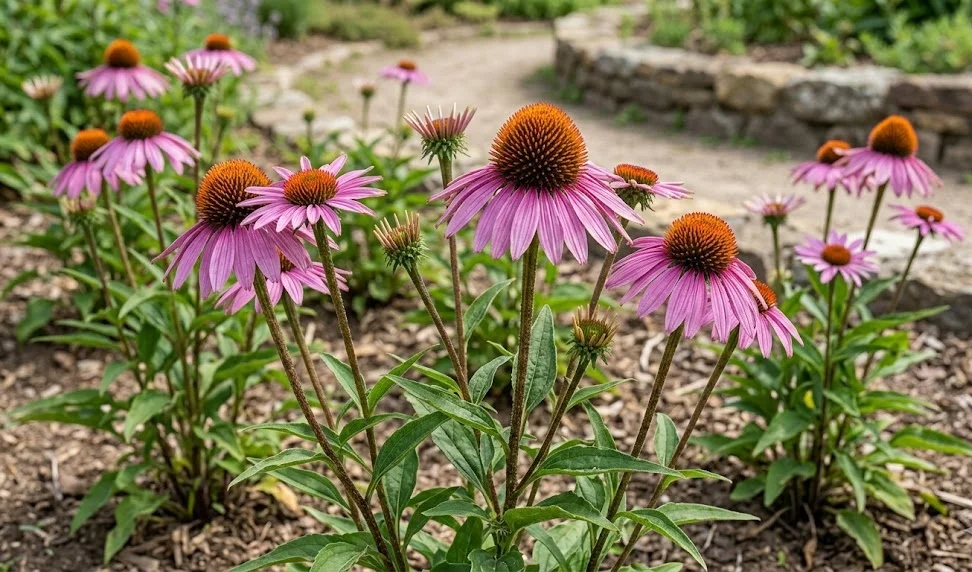

While the purple coneflower is generally regarded as a low-maintenance and sturdy perennial, it is not entirely immune to biological challenges. Gardeners must stay vigilant against a range of fungal, viral, and insect-related threats that can compromise the health of their plants. Early identification and a professional approach to management are the keys to preventing a minor issue from becoming a garden-wide epidemic. This article details the most common problems you may encounter and the most effective ways to protect your ornamental display.
Identifying common fungal infections
Powdery mildew is one of the most frequently observed fungal issues, appearing as a white, flour-like dusting on the surface of the leaves. It usually develops during periods of high humidity and warm temperatures when air circulation around the plants is restricted. While it rarely kills the plant, it can significantly reduce its aesthetic appeal and weaken its overall vigor over time. Pruning away the most affected foliage and improving spacing can help manage the spread of the spores.
Leaf spot is another common fungal ailment that manifests as small, dark lesions with distinct borders on the green leaves. These spots can eventually merge, causing entire sections of the leaf to turn brown and die prematurely. Fungal spores are often spread by splashing water, which is why watering at the base of the plant is so important for prevention. Removing fallen, infected leaves in the autumn is a critical step in breaking the lifecycle of the fungus for the following year.
Root rot is a much more serious fungal condition that attacks the plant from beneath the soil surface. It is almost always a result of poor drainage or overwatering, which allows soil-borne pathogens to invade the weakened root tissues. The first visible signs above ground are often wilting and a general decline in health that does not improve with watering. Once root rot has taken hold, it is very difficult to save the plant, and the best course of action is often removal and soil improvement.
More articles on this topic
Stem rot can occur at the base of the plant, especially if mulch is piled too high against the stems or if the soil is consistently wet. The affected area will appear dark, mushy, and may even show signs of fuzzy fungal growth in very humid conditions. This disease can cause individual stems or even the entire plant to collapse suddenly during the peak of the growing season. Keeping the crown of the plant clear of debris and ensuring good drainage are the primary defenses against this destructive pathogen.
Managing viral diseases and systemic issues
Aster yellows is perhaps the most dreaded disease for anyone growing coneflowers because there is no known cure for infected plants. This systemic infection is caused by a phytoplasma and is spread from plant to plant by small insects called leafhoppers. Symptoms include strangely deformed, greenish flower heads and stunted, spindly growth that looks entirely different from a healthy specimen. Because it is a systemic issue, the only professional solution is to remove and destroy the entire plant immediately to prevent further spread.
Mosaics are a group of viruses that cause mottled, streaked, or distorted patterns on the leaves and sometimes the flowers. These viruses can be introduced to the garden through infected nursery stock or spread by sap-sucking insects like aphids. An infected plant may show reduced growth and a general lack of vigor compared to its healthy neighbors in the same bed. While some plants can live with a mild viral infection, they often serve as a reservoir for the disease, threatening the rest of the garden.
More articles on this topic
Phyllody is a specific condition where the flower parts are replaced by leaf-like structures, often as a result of an underlying infection. This can be caused by the same phytoplasmas that cause aster yellows, leading to a permanent loss of the plant’s ornamental value. The strange, green “flowers” are often mistaken for a new variety, but they are actually a sign of a serious health problem. Prompt removal of these plants is essential to maintain the long-term health and integrity of your perennial borders.
Systemic health issues can also arise from environmental toxins or herbicide drift from nearby lawn treatments. The plants may show twisted stems or curled leaves that mimic the symptoms of a viral infection but are actually caused by chemical stress. It is important to carefully evaluate the history of the site before assuming a plant is diseased and needs to be discarded. Providing the plant with clean water and fresh mulch can sometimes help it outgrow the effects of minor chemical exposure over a single season.
Dealing with sap sucking insect pests
Aphids are small, soft-bodied insects that cluster on the undersides of leaves and on the tender new growth of the stems. They feed by sucking the nutrient-rich sap from the plant, which can lead to distorted leaves and a sticky residue known as honeydew. This honeydew often attracts ants and can serve as a growing medium for black sooty mold, further damaging the plant’s appearance. A strong blast of water from a garden hose is often enough to dislodge these pests and keep their populations under control.
Leafhoppers are not only a direct pest but are also the primary vectors for several serious plant diseases as mentioned previously. These small, wedge-shaped insects are very active and will quickly hop or fly away when the foliage is disturbed. While their direct feeding damage is usually minor, their ability to spread aster yellows makes them a significant concern for professional gardeners. Encouraging natural predators like birds and predatory insects is a sustainable way to keep leafhopper numbers in check throughout the summer.
Spider mites are nearly microscopic pests that thrive in hot, dry conditions and can quickly colonize the foliage during a summer drought. They spin fine, silken webs between the leaves and cause a characteristic stippling or bronzing of the foliage as they feed. If left untreated, a heavy infestation can cause the leaves to dry up and fall off, severely weakening the plant. Increasing the humidity around the plants and providing regular irrigation can make the environment less hospitable for these tiny arachnids.
Japanese beetles are a more visible pest that can skeletonize the leaves and ruin the beautiful flower petals in a matter of days. These metallic-green beetles are most active during the warmest parts of the day and can be quite destructive in large numbers. Hand-picking the beetles and dropping them into a bucket of soapy water is an effective and non-toxic way to manage small populations. For larger infestations, neem oil or other organic deterrents can be applied to the foliage to reduce the damage they cause.
Protective measures against soil borne pathogens
The health of the soil biology is the first line of defense against many of the most destructive diseases that affect garden plants. Encouraging a diverse population of beneficial microbes through the addition of organic compost can help suppress harmful pathogens naturally. These beneficial organisms compete with disease-causing fungi for resources and can even actively attack them in the root zone. A living, healthy soil is much more than just a growing medium; it is a complex immune system for your garden.
Crop rotation is a concept usually associated with vegetable gardening, but it also has applications in the perennial border for managing soil-borne issues. If a specific area of the garden has a history of root rot or viral problems, it is wise to avoid planting susceptible species there for several years. This period of “rest” allows the population of specific pathogens to decline in the absence of a host plant. Replacing the coneflowers with unrelated species like ornamental grasses can break the cycle of disease effectively.
Proper sanitation of your gardening tools is an often overlooked but essential practice for preventing the spread of diseases between plants. Pruning shears, spades, and even garden gloves can carry spores or viruses from an infected plant to a healthy one. Wiping your tools with a solution of isopropyl alcohol or a mild bleach solution after working on a suspicious plant is a professional standard. This simple habit can save your entire collection from a preventable outbreak that could have been easily avoided.
The quality of the mulch you use can also impact the presence of soil-borne pathogens in your garden beds. Avoid using mulch that contains diseased plant material or that has been sourced from unknown or untrusted suppliers. High-quality, composted mulch has undergone a heating process that typically kills off most weed seeds and harmful fungi. Using a clean, reliable mulch source ensures that you are protecting your plants rather than introducing new challenges to their environment.
Integrated pest management for a healthy garden
Integrated Pest Management, or IPM, is a professional philosophy that focuses on long-term prevention and minimal chemical intervention. It involves regular scouting for problems, correctly identifying any issues found, and choosing the least harmful solution first. This approach protects the beneficial insects and pollinators while effectively managing the populations of harmful pests. By working with nature rather than against it, you create a more stable and resilient garden ecosystem over time.
Encouraging biodiversity in the garden is one of the most effective ways to naturally manage pest populations without the need for sprays. Planting a wide variety of species attracts beneficial insects like ladybugs, lacewings, and parasitic wasps that feed on common pests. These natural allies are much more efficient at finding and eliminating aphids and mites than any human-applied treatment could be. A garden that is buzzing with life is usually a garden that is balanced and healthy.
Mechanical controls, such as barriers or physical removal, are often the best first step when a pest is discovered on your plants. Small cages can protect young plants from being eaten by rabbits or deer until they are large enough to withstand some browsing. Picking off diseased leaves or hand-removing large beetles is a targeted approach that does not affect the rest of the garden’s inhabitants. These simple actions are the backbone of a successful and environmentally conscious pest management strategy.
If chemical intervention becomes necessary, always choose the most specific and least persistent product available for the task. Organic options like insecticidal soaps or neem oil are effective against many soft-bodied pests while having a lower impact on the surrounding environment. Always read the label carefully and apply treatments during the late evening when pollinators are less active to minimize the risk to bees. A professional gardener uses chemicals as a last resort and always with a deep respect for the broader ecosystem.