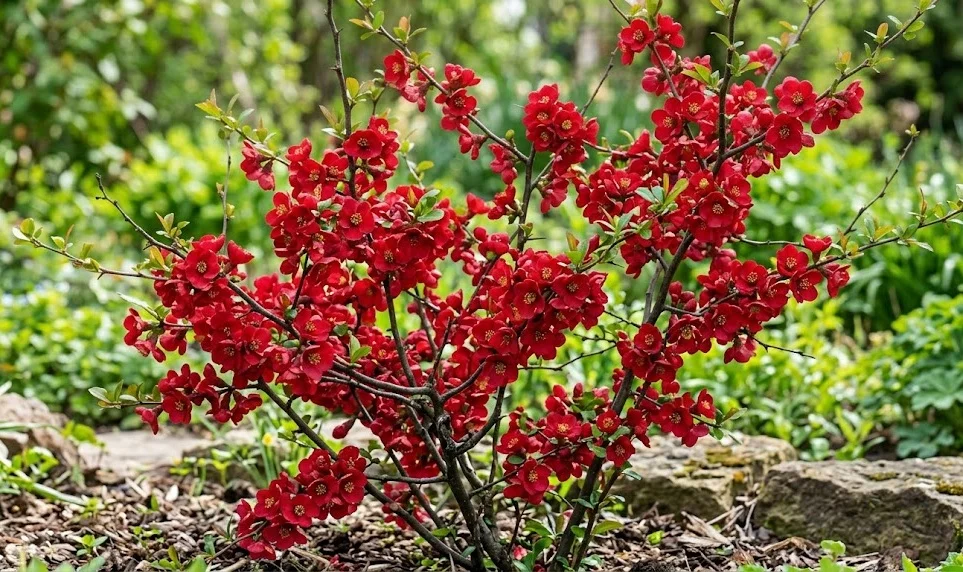

Pruning the crimson flowering quince is a vital task that combines structural management with the promotion of future flower production. This shrub has a naturally vigorous and somewhat tangled growth habit, which can become unmanageable if left entirely to its own devices for several years. By applying thoughtful and strategic cuts, you can guide the plant into a more elegant form while ensuring that it remains healthy and productive. Understanding the “how” and “when” of pruning is what separates an amateur gardener from a true horticultural expert.
The primary rule of pruning this species is to work with its natural blooming cycle rather than against it. The crimson flowering quince produces its buds on old wood, meaning the flowers for next year are formed on the branches that grow during the current season. If you prune too late in the year or too early in the spring, you run the risk of cutting off the very buds you have been waiting to see. The ideal window for most pruning tasks is immediately after the flowers have faded but before the plant has fully committed to its new summer growth.
There are several different reasons to prune a shrub, ranging from basic maintenance to complete rejuvenation of an old specimen. Maintenance pruning involves the regular removal of the “three Ds”: dead, diseased, and damaged wood, which should be done as soon as any issues are spotted. Thinning is another essential technique, where you remove some of the oldest or most crowded branches from the base to improve airflow and light penetration. These routine tasks keep the plant healthy and prevent it from becoming a dense, thorny thicket that is difficult to manage.
For older plants that have lost their shape or stopped blooming well, a more aggressive approach known as rejuvenation pruning might be necessary. This involves cutting back a portion of the oldest wood all the way to the ground to encourage fresh, vigorous shoots to emerge from the base. You should never remove more than about one-third of the plant in a single season to avoid shocking the system. Over the course of three years, you can effectively replace the entire framework of the shrub with younger, more productive wood.
Tools and techniques for clean cuts
Using the right tools is essential for making clean cuts that heal quickly and do not invite disease into the plant’s vascular system. A pair of sharp, high-quality bypass pruners is the best tool for most small to medium-sized branches, as they cut like scissors and do not crush the wood. For larger branches that are too thick for hand pruners, a pair of loppers or a small pruning saw will provide the necessary leverage and precision. Always ensure your tools are clean and sterilized, especially if you have been working on plants that show signs of disease.
More articles on this topic
The technique for making a cut is just as important as the tool itself, and you should always aim to cut just above a healthy bud or a lateral branch. This encourages the plant to direct its energy into the remaining bud rather than leaving a “stub” of wood that will eventually rot and become an entry point for pests. When removing an entire branch at the base, try to cut as close to the main stem or the ground as possible without damaging the “branch collar” or the surrounding bark. These small details make a big difference in the long-term health of the shrub.
When thinning out the center of the crimson flowering quince, look for branches that are growing inwards or crossing and rubbing against each other. These crossing branches can create wounds in the bark that are vulnerable to infection, and they also contribute to the overly dense appearance of the shrub. By removing these “troublemakers,” you open up the canopy and allow more light and air to reach the interior wood. This not only looks better but also results in a more even distribution of flowers throughout the entire plant.
Always wear protective clothing, including heavy gloves and long sleeves, when pruning the crimson flowering quince, as its thorns can be quite sharp and persistent. Working slowly and carefully will help you avoid painful scratches and allow you to make more thoughtful decisions about each cut. If you are pruning a large hedge or a particularly overgrown specimen, it can be helpful to step back frequently to assess the overall shape and balance of the plant. A well-pruned shrub should look natural and organized, not like it has been harshly sheared.
Shaping and maintaining the desired form
The final shape of your crimson flowering quince is largely a matter of personal preference and its role within your overall garden design. Some gardeners prefer a more formal, rounded look, which can be achieved through regular light trimming of the outer branch tips. Others enjoy the wild, arching beauty of the plant’s natural habit and choose to focus only on thinning and structural maintenance. Whichever style you choose, consistency is the key to maintaining that form over many years of growth.
More articles on this topic
If you are growing the shrub as a hedge, you will need to prune it more frequently to keep it dense and within its designated boundaries. In this case, you can use hedge shears for a quicker result, but be aware that this can sometimes lead to a “shell” of foliage with a hollow, woody interior. To prevent this, you should still perform occasional thinning with hand pruners to ensure that light reaches the inner branches. A well-maintained hedge provides both beauty and security, thanks to the plant’s dense growth and protective thorns.
Pruning can also be used to manage the fruit production of the shrub, depending on whether you value the small, fragrant quinces. If you want a heavy crop of fruit, you should focus on maintaining a healthy framework of older, productive wood and avoid excessive thinning. If you prefer the ornamental look of the flowers and want to keep the plant smaller, you can be more aggressive with your pruning immediately after the bloom. The plant is remarkably resilient and will generally respond well to a variety of different management styles.
Ultimately, pruning is a dialogue between the gardener and the plant, where you respond to its growth and guide it towards its best possible self. While it can seem intimidating at first, you will quickly develop a feel for how the crimson flowering quince responds to different types of cuts. Remember that the plant is very forgiving and that even a mistake can usually be grown out of within a season or two. With a bit of practice and a pair of sharp pruners, you can ensure that your shrubs remain a highlight of your garden for decades to come.