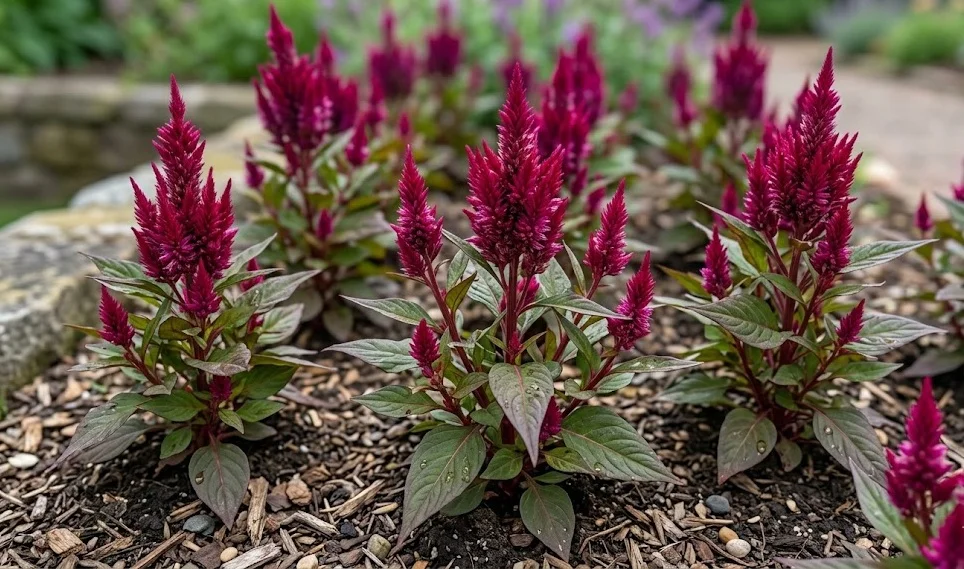

The purple celosia is a highly light-sensitive plant that requires a significant amount of solar energy to maintain its health and characteristic color. As a native of tropical regions, its entire metabolic system is optimized for environments with high light intensity and long day lengths. Providing the correct light exposure is the single most important factor for achieving the brilliant violet-purple flower spikes that define this cultivar. Without adequate illumination, the plant’s growth will become compromised, leading to a decline in both its physical structure and its aesthetic appeal.
In a professional gardening context, light is not just about brightness, but also about the quality and duration of exposure the plant receives each day. The ‘Caracas’ variety of celosia is often classified as a full-sun plant, meaning it performs best when it receives at least six to eight hours of direct sunlight. This energy is used for photosynthesis, which fuels the production of the pigments responsible for the deep hues of the foliage and flowers. Understanding the nuances of light placement in your garden can make the difference between a mediocre specimen and a prize-winning display.
The position of the sun changes throughout the seasons, and a professional gardener must account for these shifts to ensure consistent light levels. A spot that is perfectly sunny in the middle of summer might be shaded by a neighboring building or tree as the sun’s path lowers in the autumn. Regularly assessing the light patterns in your garden allows you to make necessary adjustments, such as moving containers or pruning nearby overhanging branches. This proactive management ensures that your purple celosia is never starved for the energy it needs to thrive.
Furthermore, light plays a crucial role in the timing of the plant’s flowering cycle and its overall growth habit. Intense light encourages a more compact and sturdy structure, whereas low light levels cause the plant to stretch and become weak. If you are growing this variety indoors or in a greenhouse, managing light becomes an even more technical challenge that may require supplemental technology. By following expert guidelines on light requirements, you can maximize the potential of your purple celosia and enjoy its full glory throughout the season.
The necessity of full sun for color and growth
Full sun exposure is the primary requirement for maintaining the intense purple coloration of the ‘Caracas’ celosia variety. The pigments, known as betalains, are produced in greater quantities when the plant is exposed to high levels of ultraviolet light. If the plant is grown in even partial shade, you will likely notice that the flowers become a paler magenta and the leaves lose their deep green luster. For the most dramatic and professional-looking results, you should always prioritize the sunniest locations in your landscape for this species.
More articles on this topic
Beyond color, sunlight is the main driver of the plant’s physical development and its ability to produce large, healthy plumes. The energy from the sun allows the plant to build strong stems that can support the weight of the flower spikes without drooping. In a high-light environment, the internodes—the spaces between the leaves—remain short, resulting in a dense and bushy appearance. This compact growth habit is highly desirable for both garden beds and decorative containers, as it creates a more impactful visual presence.
When planning your garden, a south-facing location is usually the most effective choice for meeting these high light demands. This orientation provides the maximum amount of direct solar radiation throughout the day, especially during the critical midday hours. If south-facing space is unavailable, a west-facing spot that receives the intense afternoon sun is the next best option. East-facing locations may provide enough light for survival, but the plant will likely not reach its full potential for size and color intensity.
It is also important to consider the potential for “light competition” from nearby plants that might grow faster or taller than the celosia. As the season progresses, ensure that taller perennials or annuals do not begin to cast shadows over your purple plumes. Professional gardeners often use a tiered planting strategy, placing the sun-loving celosia in the front or middle of a border where its light path is clear. This strategic placement ensures that every leaf can maximize its photosynthetic efficiency and contribute to the plant’s overall vigor.
Managing shade and light quality throughout the day
While the purple celosia is a sun-lover, the quality of light can vary significantly depending on the time of day and the presence of atmospheric filters. Morning light is generally cooler and less intense, which is excellent for starting the plant’s metabolic processes after the night. However, it is the intense light of the late morning and afternoon that provides the bulk of the energy needed for heavy flowering. A professional approach involves ensuring that the plant has access to this high-energy light whenever possible during the growing season.
More articles on this topic
In regions with extremely high summer temperatures, a small amount of dappled afternoon shade can actually be beneficial for the plant’s health. While it needs the light, the extreme heat associated with the direct midday sun in some climates can cause the plant to lose moisture faster than it can be replaced. If you notice the plant wilting significantly every afternoon despite moist soil, providing a light lattice or thin fabric screen can help. This “filtered sun” approach maintains high light levels while reducing the thermal stress on the delicate flower tissues.
Light quality also refers to the spectrum of light reaching the plant, which can be affected by nearby structures or reflective surfaces. Plants grown near a white wall may receive extra reflected light, which can boost their growth and color intensity even further. Conversely, light filtered through thick glass or heavy plastic can lose some of the ultraviolet wavelengths that are so important for pigment production. When growing in a greenhouse, choosing materials with high light transmission and low diffusion is key to achieving professional results with this specific cultivar.
For indoor plants, the challenge of light quality is even more pronounced as most window glass blocks a significant portion of the natural light spectrum. Even a very bright window may not provide the same energy as a spot outdoors due to the lack of direct, unfiltered solar radiation. This is why professional indoor growers often use full-spectrum grow lights to supplement natural light and ensure the plant’s needs are fully met. Regularly cleaning your windows and any indoor light fixtures ensures that the maximum amount of available light reaches the plant’s foliage.
Recognizing and correcting signs of light stress
Being able to read the physical signs of light stress is a vital skill for any professional gardener caring for purple celosia. The most common sign of insufficient light is “etiolation,” which is when the plant becomes tall, thin, and spindly as it stretches toward the light. If you notice that the gaps between the leaves are increasing and the stems are struggling to stand upright, your plant is telling you it needs more sun. Correcting this early by moving the plant or increasing its light exposure can often prevent permanent structural weakness.
Another sign of low light is a noticeable change in the foliage color, where the deep green or purplish leaves start to turn a pale, lime green. This occurs because the plant is struggling to produce enough chlorophyll and other pigments in the absence of sufficient solar energy. You may also see a dramatic reduction in the number and size of the flower spikes, as the plant prioritizes survival over reproduction. If these symptoms appear, it is a clear signal that the current location is not meeting the basic physiological requirements of the ‘Caracas’ variety.
On the other end of the spectrum, it is possible for a plant to experience “light scorch” if it is suddenly moved from a low-light area to intense direct sun. This appears as white or bleached-looking patches on the leaves where the high-intensity light has actually damaged the cellular machinery. To prevent this, always transition your plants gradually over the course of a week when moving them from indoors to outdoors or from shade to sun. This acclimatization period allows the plant to build up its natural protection against intense radiation and heat.
Consistent monitoring of the plant’s growth rate and color provides the best feedback on whether your light management strategy is successful. A healthy purple celosia should have a compact, sturdy form and vibrant, deep purple flowers that last for several weeks. If the plant looks lackluster or is failing to thrive despite proper watering and feeding, the light levels should be the first factor you investigate. By becoming an expert in managing these light requirements, you ensure that your purple celosia remains a stunning centerpiece in your garden.