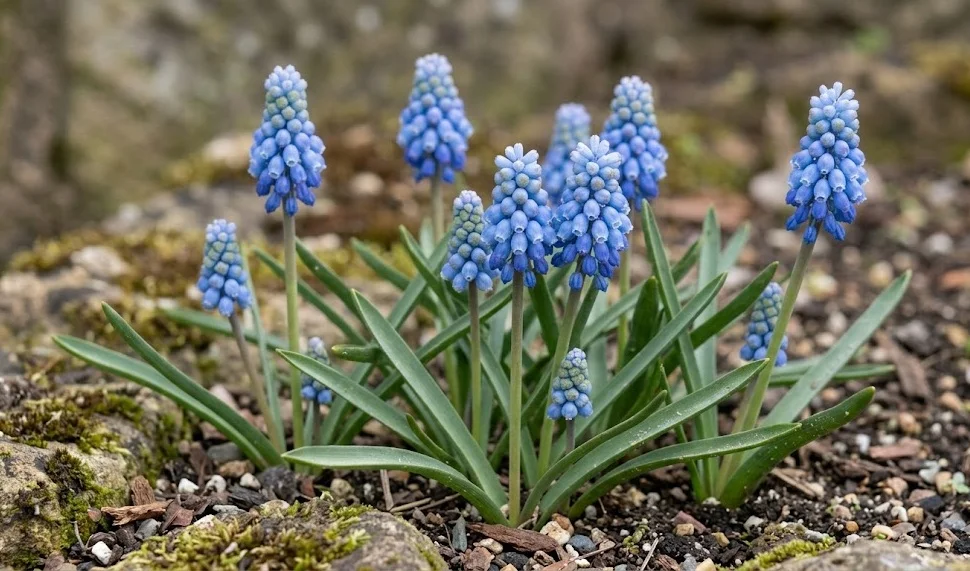

Maintaining the health of azure grape hyacinth requires a vigilant eye for the various biological threats that can compromise its beauty. While generally robust, these bulbs are not immune to the pressures of fungal pathogens and hungry garden inhabitants. A professional approach involves not just treating problems as they arise, but creating an environment where they are less likely to take hold. By understanding the common enemies of this species, you can protect your investment and ensure a healthy colony for years to come.
Identifying fungal and bacterial threats
Bulb rot is perhaps the most serious threat to any grape hyacinth collection, often caused by various species of fungi like Fusarium or Sclerotinia. This condition usually presents as a failure to emerge in the spring or the sudden wilting of young foliage. Upon inspection, the affected bulbs will feel soft, mushy, and may have a foul odor or visible mold growth. Preventing this issue is primarily about ensuring excellent drainage and avoiding over-watering during dormancy.
Gray mold, also known as Botrytis, can sometimes affect the flowers and leaves during exceptionally wet and cool springs. It appears as a fuzzy gray coating that quickly turns plant tissues brown and decayed. Improving air circulation by thinning out dense plantings and removing affected parts immediately can help contain the spread. It is a reminder that proper spacing is a functional requirement, not just an aesthetic choice.
Viruses are less common but can be devastating because they are incurable and often spread by insects. Signs of viral infection include strange mottling or streaking on the leaves, distorted flower shapes, or severely stunted growth. Infected plants should be removed entirely and destroyed (not composted) to prevent the virus from moving to healthy bulbs. Maintaining a clean garden and managing sap-sucking insects is the best defense against viral outbreaks.
Leaf spot diseases can occasionally appear as small, dark lesions on the foliage, which can eventually merge and cause premature leaf death. While rarely fatal to the bulb, they reduce the plant’s ability to photosynthesize and store energy. Keeping the foliage dry when watering and clearing away old debris in the autumn are effective preventative measures. A healthy plant with strong cell walls is naturally more resistant to these minor infections.
More articles on this topic
Managing common insect pests
Aphids are the most frequent visitors to the fresh green shoots of azure grape hyacinth in early spring. These tiny, soft-bodied insects cluster on the stems and undersides of leaves, sucking the sap and weakening the plant. Their presence is often betrayed by a sticky substance called honeydew, which can attract ants or encourage the growth of sooty mold. A strong stream of water or the use of insecticidal soap can usually keep their numbers under control.
Bulb mites are tiny, almost invisible creatures that live in the soil and feed on the bulb scales themselves. They are particularly dangerous because they often go unnoticed until the damage is extensive, often providing entry points for rot-causing fungi. These pests thrive in moist, organic-rich environments where bulbs are already stressed. Regularly dividing clumps and ensuring the soil isn’t constantly soggy helps prevent mite populations from exploding.
Thrips are another insect that can cause cosmetic damage to the flowers, often leaving them with silver streaks or distorted edges. These very small, slender insects hide deep within the flower clusters and can be difficult to see with the naked eye. While they rarely kill the plant, they can ruin the visual appeal of the azure bells. Integrated pest management, including the use of beneficial insects or targeted organic sprays, is the professional’s choice for management.
Slugs and snails can be a nuisance during damp spring nights, as they find the tender new growth of grape hyacinths quite palatable. They leave behind telltale slimy trails and large, ragged holes in the leaves or flower stalks. Using physical barriers, organic slug pellets, or simply hand-picking them during their active hours can protect the plants. A tidy garden with fewer hiding places for these mollusks will naturally suffer less damage.
More articles on this topic
Dealing with larger garden visitors
Rodents, such as voles and squirrels, are sometimes attracted to bulbs as a food source, especially during the lean winter months. While grape hyacinths are generally less palatable than tulips, a hungry animal may still dig them up or gnaw on them. If you notice mysterious holes in your garden beds or missing plants, you may need to implement physical protections. Burying a layer of wire mesh over the bulbs or using specialized “bulb cages” can be very effective.
Deer and rabbits are less of a concern for this specific plant, as it contains certain compounds that many mammals find bitter or unpleasant. This makes azure grape hyacinth an excellent choice for gardens where these animals are frequent visitors. However, in times of extreme food scarcity, young shoots may still be sampled. Observing local wildlife patterns will help you decide if further fencing or repellents are necessary.
Birds can occasionally pull up small bulbs or peck at the flowers, often out of curiosity rather than a desire for food. This is usually a minor issue and rarely impacts the overall health of a well-established colony. If it becomes a persistent problem, temporary netting during the peak emergence phase can provide a simple solution. Most gardeners find that the benefit of having birds in the garden far outweighs the occasional loss of a few blooms.
Human-related “pests” like accidental trampling or damage from garden tools are also worth considering. Marking the location of dormant bulbs prevents them from being dug up when planting summer annuals. Educating everyone who works in the garden about the location of these hidden gems is a simple but effective protection strategy. Professionalism extends to the organizational management of the garden space itself.
Preventative measures and garden hygiene
The most effective way to manage pests and diseases is to prevent them from entering the garden in the first place. Always inspect new bulbs carefully before planting, looking for any signs of softness, mold, or unusual discoloration. Buying from reputable suppliers ensures that you are starting with high-quality, disease-free material. A few minutes of careful inspection can save hours of frustration later on.
Practicing good garden hygiene is a daily habit for the professional horticulturist. Removing spent flowers and yellowing leaves prevents them from becoming breeding grounds for mold and insects. Cleaning your garden tools with a mild disinfectant after working on potentially diseased plants stops the spread of pathogens. These small actions create a cumulative effect that keeps the entire garden ecosystem healthier.
Crop rotation, or moving bulbs to new areas every few years when dividing, can help break the life cycles of soil-borne pests. This is especially useful if a particular area has had a history of fungal or mite issues. It also gives the soil a chance to recover and prevents the depletion of specific micronutrients. Diversity in planting also makes it harder for specialized pests to find and destroy an entire collection.
Supporting natural predators is a sophisticated way to keep pest populations in check without harsh chemicals. Encouraging ladybugs, lacewings, and predatory mites creates a self-regulating system that protects your plants. A garden that avoids broad-spectrum pesticides will have a much more robust population of these beneficial insects. This holistic approach is the gold standard for modern, professional gardening.
Troubleshooting and recovery
If a disease or pest outbreak does occur, the first step is an accurate diagnosis before applying any treatment. Misidentifying a fungal issue as a nutrient deficiency can lead to the wrong corrective action and further stress the plant. Using a magnifying glass to look for tiny insects or consulting a professional diagnostic service can provide clarity. Understanding the “why” behind the problem is essential for effective long-term management.
Once a problem is identified, choose the least invasive treatment that will be effective. Often, simply removing the affected leaves or improving the drainage is enough to solve a minor fungal issue. If chemical intervention is necessary, opt for organic or targeted products and follow the instructions meticulously. The goal is to solve the problem with minimal impact on the surrounding environment and beneficial organisms.
After the issue has been managed, focus on helping the plant recover and regain its vigor. This might involve a light application of a balanced fertilizer or extra attention to watering during the next growing phase. A plant that has survived a pest attack may be slightly weakened, so it needs optimal conditions to rebuild its stores. Observation during the following season will show if the intervention was successful.
Finally, keep a record of any significant pest or disease events in your garden journal. Note the weather conditions, the timing of the outbreak, and which treatments were most effective. Over time, this personal database becomes your most valuable resource for managing your specific microclimate. Professional gardening is a continuous learning process based on experience and careful attention to detail.