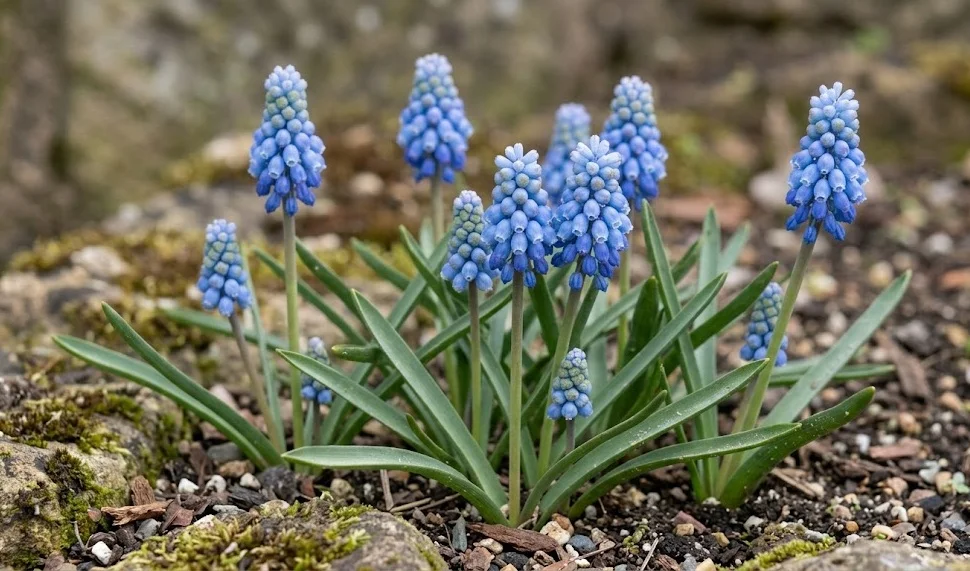

Providing the right environment for azure grape hyacinth involves understanding its specific biological needs throughout the changing seasons. This delicate spring bulb is prized for its soft blue hues and bell-shaped flowers that appear early in the gardening calendar. Success starts with selecting a location that mimics its native alpine and meadow habitats, ensuring the soil remains well-drained. By following professional cultivation standards, any gardener can enjoy a reliable and stunning floral display year after year.
Understanding the growth cycle
The annual rhythm of this plant begins in late autumn when the bulbs start developing their root systems beneath the cooling soil. As temperatures rise in early spring, the foliage emerges quickly, followed by the distinctive azure flower spikes. Once the blooming period concludes, the plant focuses all its energy on recharging the bulb for the next season. Understanding these phases allows for better management of resources and physical maintenance throughout the year.
During the active growth phase, the plant requires consistent environmental stability to produce high-quality blooms. The leaves act as solar panels, collecting energy that is stored in the underground bulb scales. If this process is interrupted by premature foliage removal or extreme drought, the following year’s flowering will be significantly diminished. Observing the transition from green to yellow foliage is a critical skill for any serious gardener.
Dormancy typically begins in early to mid-summer when the leaves have completely withered away. At this stage, the plant is essentially invisible above ground, but the bulb remains alive and vulnerable to excessive moisture. It is vital to mark the location of the bulbs to prevent accidental damage during summer gardening activities. Professionals often use small markers or companion plants to indicate where these silent residents are resting.
The final stage of the yearly cycle involves the internal formation of the next year’s flower bud inside the bulb. This process occurs during the summer and autumn months while the plant appears to be doing nothing. Temperature fluctuations during this “hidden” phase can influence the timing and quality of the spring bloom. Proper care ensures that the internal development proceeds without the stress of extreme heat or soil compaction.
More articles on this topic
Soil quality and preparation
The foundation of health for any bulbous plant lies in the physical and chemical structure of the growing medium. Azure grape hyacinths thrive in soil that is rich in organic matter but retains a gritty, loose texture. Heavy clay soils are particularly dangerous as they trap moisture around the bulb, leading to rapid decay. Improving the soil structure with compost or leaf mold is a necessary step before introducing these plants.
Ph levels should ideally stay within the neutral to slightly alkaline range for optimal nutrient uptake. While the plant is somewhat adaptable, extreme acidity can lead to stunted growth and poor coloration of the petals. Regular soil testing can help determine if lime or other amendments are needed to maintain the correct balance. A healthy soil microbiome also supports the plant’s natural resistance to various environmental stresses.
Aeration is another critical factor that gardeners must consider when preparing the garden beds. Compacted soil prevents oxygen from reaching the roots and slows down the drainage of excess rainwater. Using a garden fork to loosen the earth deeply without turning it over preserves the natural soil layers. Adding a layer of coarse sand or fine gravel at the bottom of the planting hole can further enhance local drainage.
Nutrient availability should be steady rather than explosive, favoring slow-release organic sources. Fresh manure should always be avoided as it can burn the sensitive outer skin of the bulbs. Well-rotted garden compost provides a gentle stream of micronutrients that support long-term vigor. The goal is to create a living soil that sustains the bulbs through their long periods of inactivity.
More articles on this topic
Seasonal maintenance routines
Spring maintenance focuses primarily on monitoring moisture levels and ensuring that the flower spikes have enough support. As the flowers emerge, checking for any physical obstructions like fallen branches or heavy mulch is important. Removing competing weeds early in the season prevents them from stealing vital nutrients and light. This proactive approach ensures that the azure bells remain the focal point of the garden.
Once the flowers begin to fade, the gardener’s role shifts toward energy conservation for the bulb. Removing the spent flower heads prevents the plant from wasting resources on seed production. However, it is imperative to leave the green leaves untouched until they have completely lost their color. This period of post-bloom growth is the most important time for the long-term health of the colony.
Autumn care involves preparing the site for the coming winter and ensuring the soil is ready for root development. This is the ideal time to add a thin layer of organic mulch to protect the soil surface from erosion. If the colony has become too crowded, early autumn is also the window for careful lifting and dividing. Proper spacing ensures that each bulb has access to the resources it needs to thrive.
Winter maintenance is largely hands-off, provided the initial preparations were handled correctly. The main concern during the cold months is preventing the soil from becoming waterlogged during thaws. Ensuring that drainage paths remain clear of debris will protect the dormant bulbs from rotting. In areas with very little snow cover, the mulch layer acts as a vital insulator against extreme temperature swings.
Enhancing floral longevity
The duration of the blooming period is heavily influenced by the local microclimate and hydration levels. To extend the life of the azure flowers, providing a location with afternoon shade can prevent the delicate petals from bleaching. Cooler temperatures generally result in a longer-lasting display compared to plants exposed to intense midday sun. Choosing the right spot in the garden can add several days to the aesthetic peak of the plant.
Consistent hydration during the budding stage is essential for the development of strong, upright stems. If the soil becomes too dry just as the flowers are forming, the stems may be weak or stunted. On the other hand, avoiding overhead watering helps keep the flower clusters dry and prevents premature wilting. A targeted approach to moisture ensures the plant stays turgid and vibrant throughout its display.
Nutrient boosts applied just as the first green tips emerge can also improve the quality of the flowers. A fertilizer with a slightly higher potassium content encourages robust cell structure and intense pigmentation. This professional touch results in the deep, clear blue color for which this specific variety is famous. Small adjustments in mineral availability can make a visible difference in the final garden presentation.
Air circulation around the plants is often overlooked but remains a key factor in floral health. Stagnant air can encourage the growth of molds that damage the petals and reduce their lifespan. Planting in areas with gentle air movement helps keep the foliage and flowers dry after dew or rain. Balancing shelter with ventilation creates the perfect environment for a pristine and long-lasting azure carpet.
Managing competition and spacing
Azure grape hyacinths are small plants that can easily be overwhelmed by aggressive neighbors. When designing the garden, it is important to choose companion plants that share similar needs but do not crown the bulbs. Low-growing groundcovers or late-emerging perennials make excellent partners for these spring beauties. Proper planning prevents the need for constant intervention to save the bulbs from being smothered.
Spacing during the initial planting determines the future density and health of the colony. While a dense planting creates an immediate impact, it can lead to nutrient depletion and disease spread more quickly. Leaving about five to eight centimeters between bulbs allows for natural expansion over the next few years. This foresight reduces the frequency of needed divisions and keeps the plants vigorous.
Encroaching weeds must be managed with care to avoid damaging the shallow root systems of the hyacinths. Hand-pulling is generally safer than using heavy garden tools near the delicate bulb clusters. Keeping the area around the bulbs clear also makes it easier to monitor for any early signs of pests. A clean environment is the first line of defense against many common gardening frustrations.
As the bulbs multiply, they will eventually begin to compete with each other for space and food. Signs of over-crowding include smaller flower spikes and a decrease in the overall number of blooms. When this occurs, lifting the entire clump and redistributing the bulbs is the professional solution. This process rejuvenates the stock and allows for the expansion of the azure display to other parts of the garden.
Long-term garden integration
Integrating these bulbs into a permanent landscape requires a vision that accounts for their summer disappearance. Many professionals plant them beneath deciduous shrubs or trees where they can enjoy the spring sun. By the time the trees leaf out and create shade, the hyacinths have already finished their growth cycle. This ecological niche is perfect for maximizing the use of space in a mature garden.
Using these plants in drifts rather than isolated spots creates a more natural and professional appearance. Following the contours of the land or the edges of a path makes the blue flowers look as though they occurred spontaneously. The repetition of color across different garden beds creates a sense of harmony and intentional design. Azure grape hyacinths are particularly effective when used to bridge the gap between early crocuses and later tulips.
Container gardening offers another way to enjoy these plants, especially for those with limited ground space. In pots, the drainage can be perfectly controlled, and the plants can be moved into view during their peak. Once the blooming is over, the containers can be tucked away in a less prominent spot to complete their dormancy. This flexibility makes them a favorite for patio and balcony displays.
The longevity of a grape hyacinth colony can span decades if the basic needs are consistently met. Unlike some highly bred bulbs that decline after a few years, these plants often become more beautiful with age. Establishing a routine of minimal interference and targeted support is the secret to a multi-generational garden feature. Patience and observation are the most valuable tools for any gardener working with these azure gems.
Professional troubleshooting and observation
A successful gardener is always a keen observer of the subtle changes in their plants’ appearance. Yellowing of the leaves out of season or a sudden wilt can indicate issues with the roots or soil moisture. Early detection of these signs allows for corrective measures before the health of the bulb is compromised. Taking notes on blooming dates and weather patterns helps in refining care techniques over time.
Comparing the performance of plants in different parts of the garden can reveal much about local microclimates. One area might be slightly warmer, leading to earlier blooms, while another stays damp longer. This knowledge is invaluable when deciding where to expand the collection or where to provide extra drainage. Every garden is a unique ecosystem, and the plants are the best indicators of its health.
Consulting with local agricultural experts or gardening communities can provide insights into regional challenges. Sometimes a specific pest or weather pattern is affecting the entire area, and collective knowledge offers the best solutions. Sharing experiences with other enthusiasts also adds a social dimension to the hobby of bulb cultivation. Professionalism in gardening involves both individual study and community engagement.
Ultimately, the care of azure grape hyacinth is a rewarding blend of science and art. By respecting the natural requirements of the plant and providing consistent support, the gardener is rewarded with a spectacular spring show. The blue bells serve as a reminder of the resilience and beauty of the natural world. With the right approach, these plants will continue to thrive and inspire for many years to come.