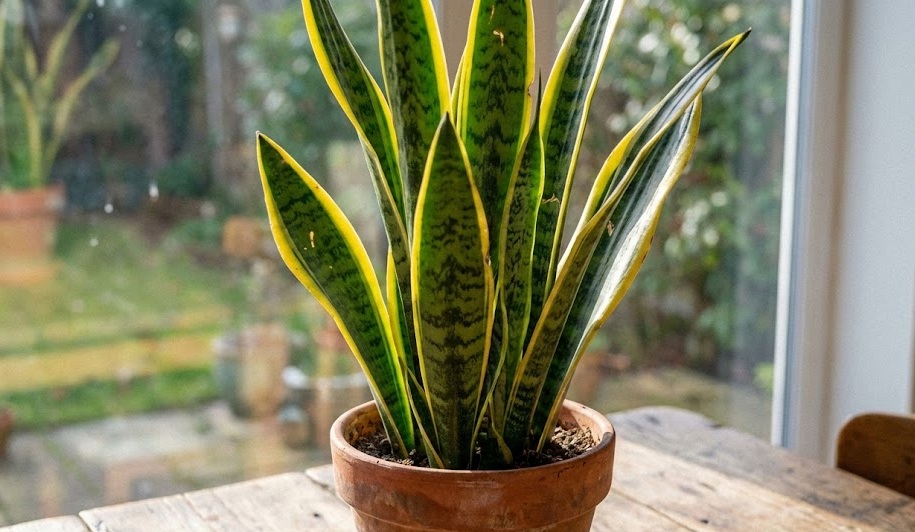

The winter months present a unique set of challenges for the variegated snake plant as it navigates shorter days and artificial heating. You will find that while the plant is dormant, it is surprisingly sensitive to the shifts in its environment that occur when the seasons change. A professional overwintering strategy focuses on preservation rather than growth, ensuring that the plant survives the cold and dark without losing its structural integrity. By adjusting your expectations and your care routine, you can guide your specimen through the winter and have it ready for a burst of energy in the spring.
One of the most important things to understand is that the plant’s metabolic rate drops significantly during this period. You should not expect to see any new leaves or significant height increases between November and March. This slowdown is a natural defensive mechanism that allows the plant to conserve its resources when light energy is scarce. A professional gardener respects this period of rest and avoids trying to force the plant into an unnatural growth spurt with excessive heat or light.
The combination of cold drafts and dry, heated indoor air can be a difficult environment for any succulent to endure. You must find a balance where the plant is kept warm enough to avoid cellular damage but away from the direct, drying heat of radiators or fireplaces. This architectural species thrives on stability, and winter is the time when that stability is most often threatened by human comfort measures. Success in overwintering is about creating a consistent microclimate that protects the plant from the extremes of the season.
Your primary goal during the winter is to maintain the health of the root system and the rigidity of the leaves. You want to avoid the common pitfalls of overwatering and over-fertilizing that often occur when well-meaning owners try to compensate for the lack of sun. A “less is more” philosophy is never more relevant than during the winter months for a variegated snake plant. With a professional eye for detail and a patient approach, you can ensure your plant remains a beautiful part of your home all year long.
Transitioning to the dormant phase in autumn
As the days begin to shorten in late September, you should start preparing your variegated snake plant for its winter rest. You might notice that the soil takes longer to dry out as the intensity of the sun decreases and the plant’s water needs diminish. This is the signal to begin gradually increasing the intervals between your watering sessions. A professional transition is smooth and gradual, allowing the plant’s internal biology to adjust without experiencing sudden shock.
More articles on this topic
During this time, you should also perform a final, thorough cleaning of the leaves to ensure they are free of dust before the low-light months. Removing any lingering debris from the soil surface and checking for late-season pests is also a vital part of the autumn routine. You want the plant to enter the winter in the cleanest and healthiest state possible. Think of this as a “pre-winter checkup” that sets the stage for a successful dormant period.
You should stop all fertilization by the end of October at the latest, as the plant will no longer be able to use these nutrients effectively. Forcing the plant to take up nitrogen during the winter can result in weak, floppy leaves that will not be able to support their own weight. A professional approach involves trusting the plant’s stored energy to carry it through until the spring. This cessation of feeding is a key part of the natural cycle that keeps the plant robust and healthy.
Finally, you should evaluate the plant’s position in your home and decide if it needs to be moved for the winter. If its summer spot becomes too cold due to proximity to a window, you should find a more protected location with similar light levels. You might find that moving the plant just a few feet away from a glass pane can make a significant difference in its winter comfort. Taking these proactive steps in the autumn prevents emergencies during the first deep freeze of the year.
Temperature and humidity control during winter
Maintaining a stable temperature is the most critical factor for overwintering your variegated snake plant successfully. You should aim for a consistent range between fifteen and twenty-one degrees Celsius, avoiding any sudden drops below twelve degrees. Cold shock can cause the water inside the plant’s cells to freeze and expand, leading to the collapse of the leaf structure and permanent damage. A professional tip is to use a simple thermometer to monitor the actual temperature in the plant’s specific corner of the room.
More articles on this topic
The dry air produced by central heating systems can be surprisingly harsh, even for a desert-origin plant like the snake plant. While they don’t need high humidity, extreme dryness can cause the leaf tips to turn brown and the variegation to look dull. You should keep the plant away from direct airflow from heaters, which can strip moisture from the leaves faster than the roots can replace it. A moderate, stable humidity level is all that is required to keep the foliage looking its best throughout the winter.
If you live in a particularly cold climate, you must be careful about “cold radiation” from window glass at night. You can draw curtains or blinds between the plant and the window during the evening to provide an extra layer of insulation. This simple habit can keep the microclimate around the plant several degrees warmer than it would be otherwise. Professional plant care often involves these small, daily adjustments that protect the plant from environmental extremes.
You should also avoid placing the plant on a cold floor, especially if you have stone or tile surfaces that can hold the chill. Using a small plant stand or even a wooden block can insulate the pot and keep the root system at a more comfortable temperature. A warm root zone is essential for the plant’s survival, as cold roots are much more prone to rot if the soil happens to be slightly damp. Attention to these thermal details is what separates a professional overwintering strategy from a casual one.
Reduced resource management and watering habits
Watering during the winter is a task that requires extreme restraint and a very careful touch. You should only water your variegated snake plant when the soil is completely dry from the top to the very bottom of the pot. In many homes, this may mean watering only once every six to eight weeks, or even less frequently in cool, dim rooms. Overwatering in winter is the number one cause of plant death, as the dormant roots simply cannot process excess moisture.
When you do water, use room-temperature water rather than cold tap water to avoid shocking the sensitive root system. You should only provide a small amount of water—just enough to keep the leaves from shriveling but not enough to saturate the soil for days. A professional approach involves “sip watering” during the winter, providing minimal hydration to maintain the plant’s basic functions. Remember, it is far easier to fix a slightly dry plant in the spring than it is to save a rotten one in the winter.
You must be especially careful to keep the crown of the plant dry during the winter months, as evaporation is much slower when it is cool. Any water trapped in the leaf bases can sit there for weeks, providing a perfect breeding ground for fungal rot. Using a watering can with a precise spout is essential for keeping the moisture exactly where it needs to be—in the soil. This technical precision is a hallmark of professional-grade plant care during the challenging winter season.
During your winter checkups, you might notice that the leaves feel slightly less firm than they did in the summer. As long as they aren’t yellowing or showing signs of rot at the base, this slight softening is often a normal part of the dormant phase. You should resist the urge to “help” the plant with more water or fertilizer; instead, trust in its natural ability to survive. A professional gardener knows that the best thing they can do in winter is often to simply leave the plant alone.
Spring revival and transition back to growth
As the days begin to lengthen in late February and early March, you will start to see signs that your plant is waking up. You might notice a slight change in the color of the center leaves or even the very tip of a new shoot pushing through the soil. This is the time to slowly begin increasing your care routine, but you must avoid doing everything at once. A professional revival is a gradual process that mirrors the slow arrival of spring in the natural world.
The first step is to give the plant its first thorough watering of the year, ensuring that the entire root ball is hydrated. You should also take this opportunity to clean the leaves once more, removing any dust that accumulated during the long winter months. This cleaning helps the plant capture every bit of the increasing spring sunlight, fueling its return to active growth. Seeing your plant respond to the return of the sun is one of the most rewarding moments for any indoor gardener.
Wait until you see clear evidence of new growth before you resume your fertilization schedule. When you do start feeding, use a very diluted solution for the first few sessions to avoid overwhelming the awakening roots. This cautious approach ensures that the plant has the nutrients it needs without risking the chemical burns that can occur with sudden, heavy feeding. A professional transition back to growth is about supporting the plant’s natural rhythm as it gains momentum.
Finally, check the condition of the pot and soil to see if any maintenance is required after the long winter. If the soil has become compacted or if the roots are pushing against the sides of the pot, you might consider repotting in the coming weeks. However, don’t rush into this; give the plant a few weeks of active growth to regain its strength first. With a successful overwintering complete, your variegated snake plant is ready to grow taller and more beautiful than ever before.
Overwintering Sansevieria is primarily an exercise in restraint, especially regarding temperature and moisture. While they are resilient, they are tropical in origin and can suffer from physiological chilling injury if temperatures drop below 10°C for extended periods. This often manifests as pitted, sunken spots on the leaves or a sudden collapse of the stems. In my greenhouse trials, we found that maintaining a consistent 15-18°C is ideal for their dormant phase. Furthermore, because the plant’s metabolic rate drops significantly in the shorter days of winter, the water requirement is almost non-existent. Over-watering during this period is the most common cause of “winter rot.” I recommend keeping them in the brightest possible spot to help maintain the variegation during these darker months.
I have a variegated snake plant in a room that gets quite drafty during the winter. I’ve noticed that some of the tips have started to turn brown and dry. Is this likely due to the cold drafts or the low humidity from my central heating? I’m trying to decide if I should move it to a more humid room like the bathroom, even though the light isn’t as good there. I’d hate to lose the variegation, but the brown tips are making it look quite messy. What would be the professional recommendation for managing this balance?
It’s almost certainly the drafts rather than the low humidity, tech_gardener! Snake plants are actually very tolerant of dry air—it’s one of the reasons they make such great office plants. However, cold drafts can really damage the leaf tissues. I would definitely move it away from the drafty spot, but I wouldn’t recommend the bathroom unless it still gets decent light. Perhaps you can just move it further into the room or behind a screen? As the article says, light is crucial for the variegation, so try to keep it near a window but away from the direct path of the cold air. The brown tips can be carefully trimmed off with sharp scissors if they bother you.
I always advise my clients to stop all fertilization completely from October until March. There is simply no need for the plant to have extra nutrients when it isn’t actively growing. Adding fertilizer in the winter can actually lead to a buildup of salts in the soil, which can damage the roots over time. I usually wait until I see the first signs of new growth in the spring before I give them their first half-strength feeding. It’s all about working with the natural cycle of the plant. A bit of patience in the winter pays off with a much healthier plant in the summer.