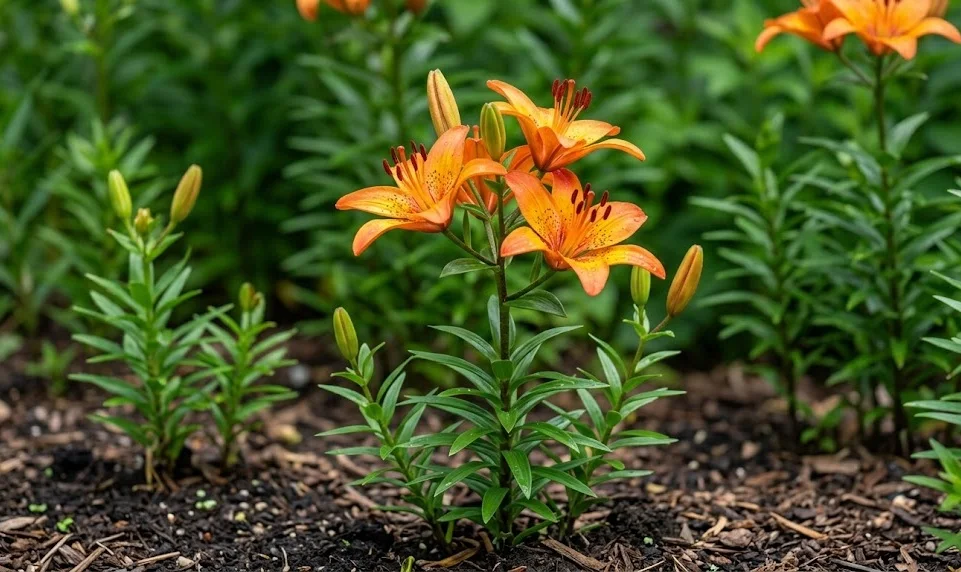

Successful cultivation of these stunning garden favorites begins with the careful selection and handling of the dormant bulbs before they ever touch the soil. Because Asiatic lilies do not have a protective papery skin like tulips or daffodils, they are much more susceptible to drying out and physical damage. Proper timing is the first hurdle to clear, as these bulbs prefer to be settled into their new homes during the cool periods of autumn or early spring. Understanding the biological needs of the bulb during the transition from dormancy to active growth ensures a high success rate for any gardener.
Selecting and handling high-quality bulbs
When purchasing bulbs from a nursery or a specialist supplier, you should always look for specimens that feel heavy and firm to the touch. Avoid any bulbs that show signs of mold, soft spots, or significant mechanical damage to the scales, as these are entry points for rot. The size of the bulb is often a direct indicator of the floral display you can expect in the first year of growth. Larger bulbs have more stored energy and will typically produce a greater number of individual flowers on a sturdier stem.
Because the scales of the lily bulb are fleshy and exposed, they must be kept slightly moist until they are ready to be planted in the ground. If you cannot plant them immediately upon arrival, store them in a cool, dark place inside a bag with some damp peat moss or sawdust. This prevents the delicate tissues from dehydrating, which can lead to a weak start or a total failure to sprout in the spring. Treat the bulbs with care, as breaking off the scales can reduce the overall vigor of the initial growth.
Before the actual planting process begins, it is often beneficial to give the bulbs a quick preventative treatment against common fungal issues. A short soak in a mild fungicidal solution or a dusting with sulfur powder can protect the bulb during its first few weeks in the damp soil. This is particularly important if your garden has a history of soil-borne pathogens or if the weather is expected to be unusually wet. Starting with a clean, protected bulb gives the plant the best possible advantage as it establishes its root system.
Inspecting the root base of the bulb can also give you clues about its overall health and readiness for the transition to the garden. You should see some dried roots from the previous season, and perhaps even some fresh white root tips starting to emerge if the timing is right. These roots are vital for anchoring the plant and absorbing the initial moisture needed to trigger the growth of the internal sprout. If the base of the bulb appears smooth and completely devoid of any root structures, it may take longer to establish itself.
More articles on this topic
Planting depth and spacing requirements
The depth at which you plant the bulbs is one of the most critical factors for the long-term stability and health of the Asiatic lily. As a general rule of thumb, the bulb should be covered with a layer of soil that is at least two to three times its own height. This deep planting provides several benefits, including protection from temperature extremes and a more secure anchor for the tall stems that will emerge. Additionally, many lilies develop “stem roots” above the bulb, which require a significant amount of soil cover to function properly.
Spacing between the individual bulbs should be calculated based on the final size of the variety and the desired visual density of the flower bed. For most Asiatic hybrids, a distance of eight to twelve inches between each bulb is sufficient to allow for adequate air circulation and root expansion. Crowding the plants too closely can lead to competition for nutrients and an increased risk of fungal diseases spreading through the foliage. Giving each plant its own space ensures that it can reach its full genetic potential without being suppressed by its neighbors.
The orientation of the bulb in the planting hole is straightforward, with the pointed end of the scales facing upward toward the sky. If you are unsure which way is up, you can look for the flat root plate at the bottom, which should be placed against the soil. In the rare event that you cannot tell the difference, planting the bulb on its side is a safe alternative that allows the sprout to find its way up. Gently firm the soil over the bulb to remove large air pockets, but avoid packing it so tightly that the sprout cannot push through.
Once the bulbs are tucked into the ground, a thorough watering is necessary to settle the soil and activate the biological processes inside the bulb. This initial hydration helps the roots make contact with the earth and start absorbing the minerals needed for the upcoming growth. If you are planting in the autumn, a layer of mulch on top of the soil will provide an extra layer of protection against the coming winter frost. This concludes the planting phase, leaving the bulbs to develop their underground systems in preparation for a spectacular spring debut.
More articles on this topic
Division techniques for established colonies
Asiatic lilies are known for their ability to multiply relatively quickly, often forming dense clumps of bulbs after three or four years of growth. When you notice that the number of stems is increasing but the size of the flowers is decreasing, it is a clear sign that the colony needs division. The best time to perform this task is in the late autumn after the foliage has completely died back and the bulbs are dormant. Digging up the entire clump allows you to see the natural offsets that have formed around the original mother bulb.
Gently pull the bulbs apart by hand, taking care not to damage the delicate scales or the root plates during the process. You will often find several large, flowering-sized bulbs and a collection of smaller “bulblets” that have developed along the base of the stem. These smaller offsets can be replanted in a separate nursery bed where they can grow undisturbed for a year or two until they reach blooming size. This method is the most common and reliable way for home gardeners to expand their collection of specific favorite varieties.
When replanting the divided bulbs, you should follow the same depth and spacing guidelines as you would for brand new purchases from a nursery. Using fresh soil or amending the existing site with compost will provide a nutrient boost for the newly relocated plants. Because these bulbs are already acclimated to your garden’s specific conditions, they often establish themselves very quickly. Sharing these extra bulbs with friends and neighbors is a traditional way for gardeners to spread the joy of these beautiful flowers.
It is important to inspect each bulb during the division process for any signs of disease or pest infestation that might have been hidden underground. Discard any bulbs that feel soft or show significant discoloration, as replanting them would only spread the problem to new areas of the garden. Healthy bulbs should be replanted as soon as possible to prevent the roots from drying out in the open air. This periodic maintenance keeps your lily beds vigorous and ensures that the floral display remains impressive year after year.
Scaling and alternative propagation methods
Scaling is a more advanced propagation technique that allows you to create dozens of new plants from a single high-quality mother bulb. This process involves carefully snapping off a few of the outer fleshy scales from a healthy, dormant bulb during the autumn months. You should never remove more than a third of the scales to ensure the original bulb still has enough energy to grow in the spring. These detached scales have the amazing ability to generate tiny new bulbs, called bulbils, at their broken base.
To encourage the formation of these new bulbils, place the scales in a plastic bag filled with a mixture of damp peat moss and perlite. Store the bag in a warm, dark place for several weeks, checking periodically to ensure the medium remains slightly moist but not soaking wet. After a few months, you will see tiny white spheres forming where the scale was originally attached to the mother bulb. These baby lilies can then be moved to a cool location for a period of artificial winter to trigger their internal growth clock.
Once the tiny bulbils have gone through their cold treatment, they can be planted into small pots or a protected outdoor nursery bed. It will typically take two to three years of growth before these propagated lilies are large enough to produce their first flowers. While this method requires more patience and attention to detail than simple division, it is a very rewarding way to produce a large volume of plants. It is particularly useful for rare or expensive varieties that you want to mass-plant in your landscape.
Some varieties of Asiatic lilies also produce small dark bulbils in the leaf axils along the stem, which can be harvested and planted. These aerial bulbils will eventually drop to the ground and grow on their own, but you can speed up the process by collecting them when they are ripe. Simply press them into the surface of some potting soil and keep them moist until they develop their first tiny leaves. This natural propagation strategy shows the incredible resilience and reproductive drive of the lily family in diverse environments.