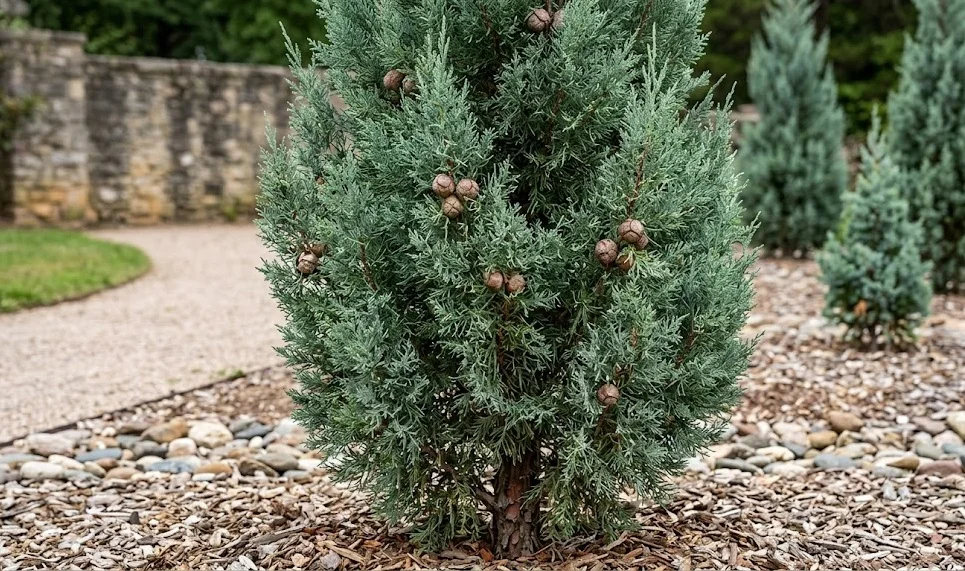

Wintering the Arizona cypress is a process that begins long before the first frost arrives, as this evergreen tree must prepare itself for the challenges of the cold season. While the species is remarkably hardy and can withstand temperatures well below freezing, its success depends on its overall health and the specific conditions of its environment. For many gardeners, the goal of wintering is to prevent physical damage from snow and wind while ensuring the tree remains hydrated during its dormant period. By taking a few simple steps in the autumn, you can help your cypress emerge in the spring with its vibrant color and structural integrity fully intact.
The Arizona cypress is naturally adapted to high-altitude environments where winter temperatures can be quite severe, making it a reliable choice for many temperate climates. However, the conditions in a suburban garden are often very different from its native habitat, requiring a bit of extra attention from the gardener. One of the biggest challenges during winter is the lack of available moisture, as frozen ground can prevent the roots from absorbing the water they need to replace what is lost through the needles. Providing a deep soak before the ground freezes is one of the most effective ways to support the tree through the winter months.
Heavy snowfall and strong winter winds can also pose a threat to the dense canopy of the Arizona cypress, especially for younger or more recently planted specimens. The weight of accumulated snow can cause branches to bend or even snap, potentially ruining the tree’s symmetrical shape or creating entry points for disease. Similarly, cold, drying winds can “burn” the needles, leading to unsightly browning that may take a full growing season to recover from. Understanding these physical risks allows you to take preventative measures, such as temporary supports or windbreaks, to protect your trees.
Monitoring the tree throughout the winter is just as important as the initial preparations you make in the autumn. While the tree is dormant and its growth has slowed to a crawl, it is still a living organism that is interacting with its environment every day. Checking for signs of animal damage, such as deer or rodents chewing on the bark, is particularly important during winters when other food sources are scarce. By staying engaged with your landscape during the coldest months, you can identify and address minor issues before they become major setbacks for your Arizona cypress.
Hardiness zones and temperature tolerance
The Arizona cypress is known for its impressive cold hardiness, with many varieties capable of surviving temperatures down to -15 or even -20 degrees Celsius. This resilience makes it a popular choice for gardeners in hardiness zones 6 through 9, where it can handle the typical winter conditions with ease. However, the specific cultivar you choose and the microclimate of your garden can significantly influence how well the tree handles extreme cold. It is always a good idea to research the specific cold tolerance of your chosen variety before planting it in a particularly exposed or northern location.
More articles on this topic
Acclimation is a natural process that the tree goes through as the days get shorter and the temperatures begin to drop in the autumn. During this time, the tree moves water out of its cells and into the intercellular spaces, which acts as a kind of natural antifreeze to prevent cell damage from freezing. You can support this process by avoiding any heavy fertilization or pruning in the late summer or early autumn, which might stimulate new, tender growth that doesn’t have time to harden off before the frost. Allowing the tree to naturally transition into its dormant state is key to its winter survival.
Even though the tree is hardy, the duration of the cold can be just as important as the absolute minimum temperature. A long, sustained period of sub-zero temperatures can be more stressful for the tree than a brief cold snap followed by a thaw. In regions with exceptionally long winters, the tree’s ability to manage its internal moisture levels is put to the ultimate test. This is why site selection is so important, as a spot that is protected from the harshest winds can significantly reduce the overall environmental stress on the tree during a long winter.
Finally, it is worth noting that young trees are generally more sensitive to the cold than mature, well-established specimens. A sapling that has only been in the ground for a year or two will not have the extensive root system or the thick bark required to handle extreme winter conditions as effectively. If you are planting in a colder region, you may want to provide some extra protection for the first few winters until the tree has gained enough mass and resilience. As the tree grows, its natural cold-fighting mechanisms will become more robust, and it will require much less intervention from you.
Protecting young specimens from heavy snow
Heavy, wet snow is one of the primary causes of structural damage to Arizona cypresses during the winter months. Because the tree has a dense, upward-reaching branch structure, it can catch and hold a surprising amount of snow, which quickly becomes heavy enough to bend the branches. If the snow freezes onto the needles, the weight can remain for days or even weeks, putting constant pressure on the wood. For young trees with relatively flexible branches, this can lead to permanent deformation or snapping at the branch attachments.
More articles on this topic
If you are expecting a heavy snowstorm, one of the best things you can do is to gently brush or shake the snow off the branches before it has a chance to accumulate too deeply. Use a soft broom or even just your hands to carefully lift and vibrate the branches, starting from the bottom of the tree and working your way up. It is important to do this gently, as frozen wood can be brittle and more prone to breaking if handled roughly. Never use a heavy shovel or a sharp tool to remove snow, as this is almost guaranteed to cause bark damage or needle loss.
For particularly vulnerable young trees, you might consider loosely wrapping the canopy with burlap or garden twine to help the branches support each other. This technique, often used for upright evergreens, prevents the branches from splaying outward under the weight of the snow. Make sure the wrap is not too tight, as the tree still needs some air circulation and room to move slightly in the wind. This temporary support can be removed in the spring as soon as the danger of heavy snow has passed, allowing the tree to return to its natural form.
Ice storms are even more dangerous than snow because the weight of clear ice is much greater and it is much harder to remove safely. If your Arizona cypress becomes encased in ice, the best advice is usually to leave it alone and let the ice melt naturally. Trying to crack the ice off the branches will almost certainly cause more damage than the ice itself, as the needles and bark are often frozen directly into the ice layer. If a branch does break during an ice storm, wait until the weather warms up to make a clean pruning cut to remove the damaged wood.
Hydration during the dormant winter months
A common mistake is thinking that trees don’t need water in the winter because they are not actively growing. In reality, evergreens like the Arizona cypress are constantly losing moisture through their needles, even in the middle of January. If the ground is frozen solid, the roots cannot take up water to replace what is lost to the cold, dry air. This leads to a condition called “physiological drought,” which is the primary cause of winter browning and needle drop in many evergreen species.
The most important step for winter hydration is a thorough “pre-soak” in the late autumn, just before the ground begins to freeze for the season. You should provide several deep waterings during the weeks leading up to the first hard freeze, ensuring that the entire root zone is well-saturated. This moisture acts as a reservoir that the tree can draw upon during the winter thaws. A well-hydrated tree is much more resilient to the drying effects of winter winds and is less likely to suffer from needle burn.
If you live in an area with mild winters or frequent thaws, you should continue to monitor the soil moisture levels throughout the dormant season. On days when the temperature is above freezing and the soil is not frozen, you can provide a light supplemental watering if the ground feels exceptionally dry. This is particularly important for young trees and those planted in sandy soils that don’t hold moisture well. Just a small amount of water during a mid-winter warm spell can provide a critical lifeline for a stressed cypress.
Using a thick layer of organic mulch around the base of the tree is another effective way to manage winter hydration. Mulch acts as an insulator, helping to keep the soil from freezing as deeply or as quickly as bare ground would. It also helps to prevent moisture from evaporating from the soil surface, keeping it available for the roots to use. By combining a good autumn soaking with a protective layer of mulch, you are giving your Arizona cypress the best possible chance of staying hydrated and healthy until the spring rains arrive.
Post-winter assessment and recovery steps
As the days begin to lengthen and the first signs of spring appear, it is time to assess how your Arizona cypress handled the winter. Take a slow walk around each tree, looking for any signs of physical damage, needle browning, or pest activity that may have occurred during the cold months. You might notice some “bronzing” of the needles, which is a common and temporary color change in response to cold temperatures. This is usually nothing to worry about and will quickly disappear as the sap begins to flow and the tree starts its new growth cycle.
If you do find any broken or damaged branches, you should prune them out as soon as the weather is consistently above freezing. Making clean cuts will help the tree seal the wounds quickly and prevent opportunistic diseases from gaining a foothold in the damaged tissue. If a young tree has become slightly tilted or bent by the weight of snow, you may need to gently stake it for a few months to help it return to an upright position. Be careful not to use wire or thin string that could cut into the bark; soft webbing or specialized tree ties are much safer options.
Spring is also the time to check the condition of the mulch around the base of the tree and replenish it if necessary. If the winter was particularly wet, you might want to pull the mulch back slightly to allow the soil surface to breathe and prevent the base of the trunk from staying too damp. This is also a good opportunity to remove any weeds that have started to sprout as the soil warms up. Taking these simple cleanup steps ensures that the tree has a clear and healthy environment in which to begin its most active growing season.
Finally, be patient with the tree as it wakes up from its winter dormancy and don’t be tempted to rush it with heavy fertilization. The Arizona cypress will naturally begin to grow when the soil temperature and light levels are right, and forcing it with too much nitrogen can lead to weak, lanky growth. Instead, focus on providing consistent moisture and observing the beautiful transition as the tips of the branches turn bright green with new life. A successful wintering process concludes with a healthy, vibrant tree that is ready to face another year of growth in your garden.