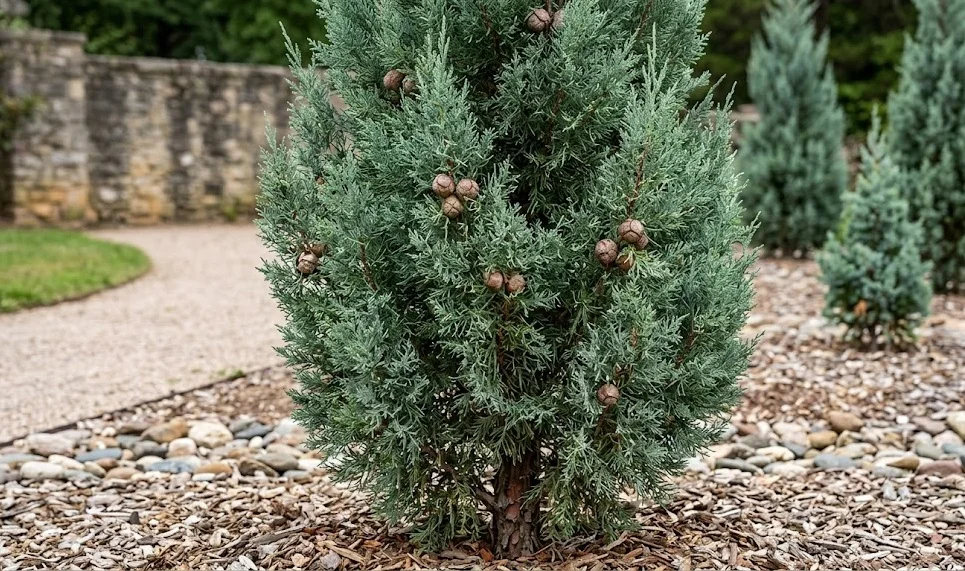

Watering and fertilization are two of the most important aspects of maintaining a healthy Arizona cypress, yet they are often the most misunderstood. Because these trees are naturally adapted to arid environments, they have unique requirements that differ from many other common garden plants. Providing the right amount of hydration at the right time is essential for establishing a strong root system and vibrant foliage. Similarly, a strategic approach to fertilization ensures that the tree receives the nutrients it needs without causing excessive or weak growth that could compromise its structural integrity.
For young trees that have just been planted, water management is the single most critical factor in their survival and long-term health. These saplings have not yet developed the extensive root network required to seek out moisture deep in the soil, making them dependent on regular irrigation. During the first two growing seasons, you should monitor the soil moisture closely and provide deep watering whenever the top layer feels dry. This consistent hydration helps the tree transition from the nursery environment to its permanent home in your landscape.
As the Arizona cypress matures, its watering needs change significantly as it develops its legendary drought tolerance. A mature specimen is perfectly capable of surviving long periods of dry weather, as its roots can reach deep into the earth to find hidden water sources. However, even an established tree can benefit from supplemental watering during extreme droughts or prolonged heatwaves. Understanding the balance between providing necessary support and allowing the tree to use its natural adaptations is the key to successful irrigation management.
Fertilization should be approached with a “less is more” philosophy when it comes to the Arizona cypress. These trees are naturally adapted to nutrient-poor soils and can often find everything they need within a healthy garden environment. Over-fertilizing can actually be detrimental, as it may stimulate rapid growth that the tree cannot structurally support, leading to weak branches. By providing the right nutrients in the right amounts, you can support the tree’s natural growth cycle and help it maintain its beautiful blue-green appearance year after year.
Establishing a watering schedule for young trees
When you first plant an Arizona cypress, you should be prepared to water it more frequently than you might expect for a desert-adapted species. The goal during the first year is to keep the root ball moist but never waterlogged, allowing the new roots to grow out into the surrounding soil. Depending on your climate and the time of year, this might mean watering every few days or once a week. You should always check the soil manually by sticking your finger an inch or two into the ground before deciding to add more water.
More articles on this topic
The best way to water a young cypress is through deep, slow irrigation rather than a quick spray from a hose. Deep watering encourages the roots to grow downward in search of moisture, which creates a much more stable and drought-resistant tree in the long run. You can use a soaker hose or a drip irrigation system to deliver water directly to the root zone over a period of several hours. This method ensures that the water penetrates deep into the soil where it is needed most, rather than just wetting the surface.
Seasonal adjustments to your watering schedule are necessary to account for changes in temperature and natural rainfall. During the cooler spring and autumn months, the tree will lose less moisture through its needles and will require less frequent watering. In the heat of summer, however, the evaporation rate increases, and you may need to step up your irrigation efforts to keep the young tree from wilting. Always be observant of the weather and the appearance of the foliage, as the tree will often show signs of stress if it is not getting enough hydration.
As the second growing season approaches, you can begin to gradually reduce the frequency of your watering while still providing deep soaks. This encourages the tree to become more self-sufficient and start relying on its own developing root system. By the end of the second year, most Arizona cypresses are well-established enough to handle the natural rainfall patterns of their region. This transition phase is vital for building the resilience that will allow the tree to thrive for many years with minimal intervention.
Drought tolerance and mature tree irrigation
Once an Arizona cypress has reached maturity, it becomes one of the most drought-tolerant trees you can have in your garden. Its needles are covered in a waxy coating that helps prevent moisture loss, and its vascular system is highly efficient at managing water transport. This means that under normal conditions, a mature tree will rarely need any supplemental watering from you. This self-sufficiency is one of the many reasons why the Arizona cypress is so popular for low-maintenance landscapes and xeriscaping projects.
More articles on this topic
However, drought tolerance does not mean the tree is immune to the effects of extreme and prolonged dry periods. If you live in an area experiencing a record-breaking drought, even a mature cypress may begin to show signs of stress, such as needle browning or a thinning canopy. In these cases, a single deep watering once a month can make a huge difference in the tree’s ability to weather the storm. Focus the water around the “drip line” of the tree, which is the area directly under the outermost edges of the branches where the most active roots are located.
The soil type in your garden also plays a role in how a mature Arizona cypress handles dry periods and how you should irrigate. Sandy soils drain very quickly and may require more frequent, albeit light, watering during droughts to keep the tree healthy. Conversely, clay soils hold moisture much longer, meaning you should be extremely careful not to overwater, even when it hasn’t rained in weeks. Understanding the drainage characteristics of your specific site will help you make the best decisions for your tree’s health.
It is also worth noting that winter irrigation can be just as important as summer watering in certain climates. If you have a dry winter with very little snow or rain, the evergreen needles of the cypress will continue to lose moisture through a process called transpiration. If the ground is not frozen, providing a deep soak on a warm winter day can prevent the tree from experiencing “winter burn” or desiccation. This simple act of dormant-season care ensures that the tree enters the spring in peak condition.
Essential nutrients and mineral requirements
The Arizona cypress is not a heavy feeder, but it does require a specific balance of minerals to maintain its health and color. Nitrogen is necessary for the production of chlorophyll and the growth of new foliage, while phosphorus supports root development and overall structural strength. Potassium is another key element that helps the tree manage water use and improves its resistance to diseases and environmental stress. Most garden soils already contain these elements, but their availability can sometimes be limited by the soil pH or structure.
In addition to the primary macronutrients, the cypress also benefits from various micronutrients like iron, magnesium, and manganese. A deficiency in these minerals can often lead to a condition called chlorosis, where the needles turn yellow while the veins remain green. This is particularly common in highly alkaline soils where the nutrients are chemically locked and cannot be absorbed by the roots. If you notice unusual discolorations in the foliage, it may be time to conduct a professional soil test to identify any specific imbalances.
Organic matter in the soil provides a slow-release source of nutrients that mimics the natural forest floor environment. As leaves, twigs, and mulch decompose, they release a steady stream of minerals that the tree can easily absorb over time. This natural cycle is often sufficient for the Arizona cypress, making heavy applications of chemical fertilizers unnecessary in many cases. Encouraging a healthy population of soil microorganisms will also help make these nutrients more available to the tree’s root system.
If you do decide to supplement the soil, it is best to use a balanced, slow-release fertilizer designed specifically for evergreens. These products provide a steady supply of nutrients over several months, preventing the “flush” of weak growth associated with fast-acting fertilizers. Applying the fertilizer in early spring, just as the new growth begins, is the most effective time for the tree to utilize the extra resources. Always follow the manufacturer’s instructions carefully to avoid over-fertilizing, which can be more harmful than not fertilizing at all.
Organic vs. synthetic fertilization methods
Choosing between organic and synthetic fertilizers is a common dilemma for gardeners looking to support their Arizona cypress. Organic options, such as compost, well-rotted manure, or bone meal, focus on improving the long-term health of the soil as well as the tree. These materials break down slowly, feeding the soil’s biological life and creating a sustainable environment for the roots to grow. Many professionals prefer organic methods because they are less likely to cause nutrient runoff or damage the delicate balance of the garden ecosystem.
Synthetic fertilizers, on the other hand, offer precise control over the exact amounts of nitrogen, phosphorus, and potassium being delivered to the tree. They are often more concentrated and work faster than organic options, which can be useful if a tree is showing clear signs of a specific deficiency. However, because they are essentially salts, they can build up in the soil over time and potentially harm the roots if used excessively. If you choose synthetic products, it is vital to water the area thoroughly after application to help distribute the minerals and prevent root burn.
Another organic strategy is the use of specialized “compost teas” or liquid seaweed extracts as a foliar spray or soil drench. These products provide a quick boost of micronutrients and beneficial microbes that can improve the tree’s overall vigor and immune response. While they do not provide large amounts of primary nutrients, they can be an excellent supplement during times of stress or recovery from disease. This gentle approach is often enough to keep an Arizona cypress looking its best without the risks associated with heavy chemical use.
Ultimately, the best approach often involves a combination of both philosophies, tailored to the specific needs of your tree and soil. Starting with a base of organic mulch and compost provides the long-term foundation, while targeted synthetic applications can address any immediate problems identified through soil testing. The key is to always be mindful of the tree’s natural adaptation to low-nutrient environments and to avoid forcing growth that the tree isn’t ready for. A patient, balanced approach to nutrition will always yield the most beautiful and resilient Arizona cypress.
Signs of overwatering or nutrient deficiencies
Learning to read the signs that your Arizona cypress is giving you is a vital skill for any gardener. Overwatering is perhaps the most dangerous issue, and its symptoms can sometimes be confused with other problems. When a tree is getting too much water, the needles may turn a dull yellow or even a brownish-gray color, and they often feel soft rather than crisp. If you notice a foul odor coming from the soil or see mushrooms growing at the base of the trunk, these are clear indicators that the area is too wet and root rot may be setting in.
Nutrient deficiencies often manifest in specific patterns on the foliage that can help you identify exactly what is missing. A lack of nitrogen typically causes an overall pale or yellowish appearance across the entire tree, often starting with the older, inner needles. Phosphorus deficiency might lead to a subtle purple or reddish tint to the needles, particularly during cooler weather when the roots are less active. Potassium issues are sometimes seen as browning or “burning” along the edges and tips of the needles, even when moisture levels are adequate.
Environmental factors can also mimic nutrient problems, so it is important to look at the whole picture before jumping to conclusions. For example, high winds or extreme cold can cause needle tips to turn brown, which might look like a deficiency but is actually physical damage. Similarly, certain pests or diseases can cause localized yellowing that might be mistaken for a mineral lack. Always inspect the branches closely for any signs of insects or fungal spots before deciding that a fertilizer application is the solution.
If you are unsure about what your tree is telling you, it is always best to consult with a local expert or have a soil and tissue test performed. These tests provide objective data that takes the guesswork out of tree care, ensuring that you are addressing the real root of the problem. Treating a tree for a deficiency it doesn’t have, or watering a tree that is already drowning, will only make matters worse. By being a careful observer and using the right diagnostic tools, you can ensure your Arizona cypress remains a healthy and vibrant part of your landscape.