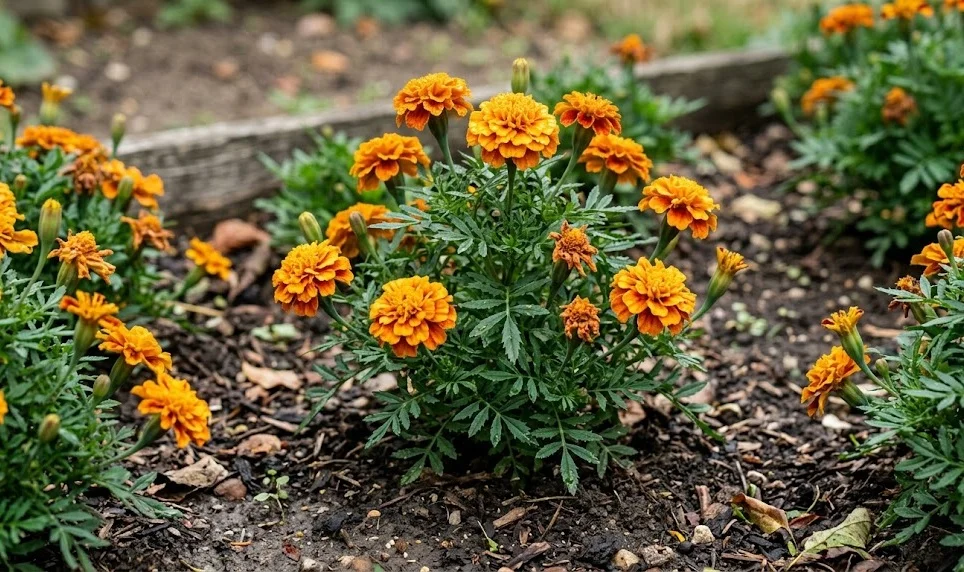

Maintaining vibrant blooms throughout the summer requires a blend of consistent attention and understanding the natural rhythms of these hardy annuals. Gardeners often value these plants for their ability to thrive with minimal fuss, but achieving peak performance involves more than just basic survival. By paying close attention to the specific needs of the foliage and flowers, one can extend the blooming season significantly into the autumn months. Professional horticulturalists recommend a proactive approach to care that prioritizes health over simple aesthetics.
Essential daily maintenance
The daily routine for managing a healthy garden bed starts with a visual inspection of the leaves and stems to catch any early signs of stress. Checking the moisture levels of the soil by touch ensures that the plants are neither sitting in stagnant water nor suffering from extreme dehydration. Removing spent blooms is a task that should be performed regularly to encourage the plant to direct its energy toward new growth rather than seed production. This simple act of deadheading transforms the appearance of the garden while boosting the overall vitality of the flower clusters.
Observation plays a critical role in identifying the subtle changes that indicate a shift in the plant’s health or environmental needs. If the lower leaves begin to yellow, it might be an indication of nutrient depletion or an imbalance in the watering schedule. Gardeners should also look for the presence of beneficial insects that help manage natural cycles within the garden ecosystem. Maintaining a clean area around the base of the plants prevents the buildup of debris that could harbor unwanted organisms. Taking a few minutes each day to tend to these details results in a much more resilient and visually stunning display.
Proper air circulation is often overlooked but remains a cornerstone of successful plant management in high-density garden beds. Ensuring that there is enough space between individual specimens allows the wind to dry the foliage quickly after a morning dew or a rain shower. When plants are crowded together, they become more susceptible to fungal issues that can spread rapidly through the entire patch. Thinning out excessive growth or adjusting the placement of nearby garden ornaments can make a significant difference in the microclimate around the flowers. Professional care involves balancing the desire for a full, lush look with the practical need for physical space.
The health of the root system is just as important as the beauty of the flowers that are visible above the ground. Avoiding soil compaction around the base of the plants allows oxygen to reach the roots and facilitates the efficient uptake of water and nutrients. Occasionally loosening the top inch of soil with a small hand tool can prevent a hard crust from forming during hot, dry spells. Be careful not to dig too deeply, as these plants have relatively shallow root systems that can be easily damaged by aggressive cultivation. A gentle touch ensures that the delicate biological structures remain intact while still benefiting from improved aeration.
More articles on this topic
Ideal growing environment
Creating the right atmosphere for these plants involves a deep understanding of how temperature and humidity interact with their biological processes. While they are known for their heat tolerance, extreme spikes in temperature can still cause temporary wilting or a pause in flower production. Providing a layer of mulch around the base of the plants helps to regulate soil temperature and keeps the roots cool during the peak of the afternoon sun. Organic mulches, such as shredded bark or straw, also contribute to the long-term health of the soil as they slowly decompose over time. This creates a stable environment where the plants can thrive regardless of minor weather fluctuations.
The chemical composition of the soil should ideally be slightly acidic to neutral to facilitate the best possible growth outcomes. Testing the soil at the beginning of the season provides a clear picture of what adjustments might be necessary to support a heavy blooming cycle. Adding composted organic matter improves the texture of the soil, making it easier for roots to expand and find the resources they need. Well-draining soil is a non-negotiable requirement, as these plants are particularly sensitive to “wet feet” which can lead to rapid decline. Selecting a location that naturally sheds excess water after a storm is a smart strategy for any serious gardener.
Wind protection is another factor that can influence the structural integrity of taller varieties that might otherwise snap in a storm. Placing these plants near a fence or among shorter, sturdier perennials provides a natural windbreak that protects the delicate stems. If the garden is located in a particularly exposed area, using small stakes for the larger cultivars can prevent them from leaning or breaking. Even shorter varieties benefit from some level of protection, as strong winds can cause excessive evaporation from the leaf surfaces. A thoughtful layout that considers the prevailing wind patterns will yield a much more professional and uniform result.
Humidity levels can fluctuate wildly depending on the geographic location and the specific weather patterns of the year. In very humid climates, it is essential to monitor for signs of powdery mildew or other moisture-related issues that thrive in stagnant air. Conversely, in very dry environments, the plants might require extra misting or a more frequent watering schedule to maintain their lush appearance. Understanding the local climate allows a gardener to adapt their care techniques to the specific challenges of their region. High-quality care is never a “one size fits all” approach but rather a localized response to environmental conditions.
More articles on this topic
Managing soil health
The foundation of any successful gardening project lies in the quality of the earth in which the plants are established. Healthy soil is a living ecosystem filled with microorganisms that break down organic matter and make nutrients available to the roots. Avoiding the use of harsh chemicals helps to preserve these natural processes and ensures a sustainable growing environment for years to come. Adding well-rotted manure or garden compost in the early spring prepares the ground for the intensive growing season ahead. This practice not only provides immediate nutrients but also improves the moisture-retention capabilities of the soil.
Drainage is perhaps the most critical physical property of the soil when it comes to maintaining these specific flowers. Heavy clay soils can be problematic because they hold onto water for too long, which deprives the roots of necessary oxygen. Mixing in coarse sand or perlite can help to open up the structure of heavy soils and allow water to move through more freely. If the garden is situated in a low-lying area, creating raised beds is an excellent way to ensure that drainage remains optimal. Professional growers often prioritize soil structure over fertility, knowing that a good structure makes everything else easier.
Nutrient availability is a dynamic process that changes as the plants grow and extract what they need from the ground. Nitrogen is essential for the development of green foliage, while phosphorus and potassium are more critical for the formation of strong stems and bright flowers. Using a balanced approach to soil amendments ensures that the plants have access to all the macro and micro-nutrients they require. Over-fertilizing can be just as damaging as under-fertilizing, as it can lead to a buildup of salts that burn the sensitive roots. Regular soil testing is the only way to accurately track nutrient levels and make informed decisions about supplements.
pH levels in the soil influence how easily the plant can absorb the nutrients that are present in the ground. If the soil becomes too alkaline, certain elements like iron may become locked away and unavailable to the plant, leading to chlorosis. Adjusting the pH can be done gradually through the application of sulfur for acidification or lime to increase alkalinity. Most garden soils fall within an acceptable range, but professional results often require fine-tuning these chemical balances. Keeping a log of soil treatments and the subsequent plant responses helps a gardener refine their approach over several growing seasons.
Bloom preservation techniques
To keep the garden looking its best, a gardener must master the art of encouraging continuous flower production throughout the summer. Deadheading is the most common technique, involving the removal of faded flowers before they can transition into seed pods. This process signals to the plant that its reproductive mission is not yet complete, prompting it to produce more buds. Use sharp, clean shears to make a clean cut just above the next set of healthy leaves to maintain a tidy appearance. Consistently removing old flowers keeps the plant looking fresh and prevents the messy look of decaying petals.
The timing of these interventions is just as important as the technique itself to maximize the visual impact of the garden. Early morning is the best time to perform maintenance tasks, as the plants are fully hydrated and the stems are crisp and easy to cut. Avoid working in the garden during the hottest part of the day when the plants are under heat stress and more prone to damage. Frequent light sessions of maintenance are generally more effective than one long, aggressive session every few weeks. This approach allows the gardener to spot emerging issues before they become major problems that affect the entire crop.
Feeding the plants with a bloom-boosting fertilizer can provide the extra energy needed for a spectacular mid-season display. These formulas typically contain higher levels of phosphorus, which specifically targets the reproductive parts of the plant. It is best to apply these supplements when the soil is already moist to prevent root burn and ensure rapid absorption. Always follow the manufacturer’s instructions regarding dosage, as more is not always better when it comes to plant nutrition. A well-timed boost can help the plants push through a mid-summer slump and continue blooming until the first frost.
Protecting the flowers from physical damage caused by heavy rain or hail is a challenge that many gardeners face during the summer months. While it is impossible to control the weather, providing some overhead protection or moving container-grown plants can save a prize-winning display. After a heavy downpour, gently shake the plants to remove excess water that might weigh down the blooms and cause them to droop. Inspect the plants for any broken stems or mud-splattered foliage that needs to be cleaned or removed to restore the garden’s beauty. Resilient plants will bounce back quickly if they are given a little bit of help after a storm.
Weather protection strategies
Extreme heat is one of the primary environmental stressors that can affect the longevity and appearance of summer flowers. During heatwaves, the plants may enter a survival mode where they stop producing new buds to conserve energy and moisture. Providing temporary shade during the most intense hours of sunlight can help reduce the internal temperature of the foliage. Deep watering in the late evening allows the plants to recover overnight and prepare for the heat of the following day. Mulching is also a key component of heat management, as it keeps the soil temperature several degrees cooler than the surrounding air.
Early autumn brings the risk of unexpected frosts that can prematurely end the growing season for these heat-loving annuals. Monitoring the local weather forecast allows a gardener to prepare by having frost blankets or old sheets ready to cover the plants overnight. These covers should be removed as soon as the sun comes up to prevent the plants from overheating underneath the fabric. If the frost is only light, many varieties can survive with minimal damage if they are well-watered and protected. Taking these extra steps can extend the enjoyment of the garden by several weeks, providing color when most other plants have faded.
Wind management is crucial for maintaining the structural integrity of the garden, especially for taller varieties that can become top-heavy. High winds can strip the moisture from the leaves and cause mechanical damage to the stems and flower heads. Creating a permanent windbreak using shrubs or decorative fencing is a long-term solution for particularly blustery sites. In the short term, grouping pots together or using low-profile stakes can provide enough stability to weather a typical summer storm. A garden that is designed with wind patterns in mind will always look more organized and professional than one left to the elements.
Heavy rainfall can be a blessing or a curse depending on the drainage capabilities of the garden soil and the intensity of the storm. Intense rain can compact the soil surface and splash soil-borne pathogens onto the lower leaves of the plants. Using a layer of mulch helps to break the impact of falling raindrops and keeps the foliage clean and healthy. If the soil becomes waterlogged, it may be necessary to manually drain the area or improve the aeration once the ground has dried out slightly. Being proactive after a weather event is a hallmark of an expert gardener who understands the needs of their plants.
Tools for effective gardening
The quality of the tools used in the garden directly impacts the health of the plants and the efficiency of the gardener’s work. Sharp, clean bypass pruners are essential for making precise cuts that heal quickly and do not invite disease. It is important to disinfect tools between uses, especially if moving from a sick plant to a healthy one, to prevent the spread of pathogens. A high-quality watering can with a fine rose attachment allows for gentle irrigation that does not disturb the soil or damage delicate seedlings. Investing in professional-grade equipment pays off in the long run through durability and better plant outcomes.
Soil testing kits are an invaluable tool for any gardener who wants to move beyond guesswork and into scientific management. These kits provide data on pH levels and the concentration of essential nutrients like nitrogen, phosphorus, and potassium. Understanding the baseline of your soil allows for the targeted application of amendments rather than a generic approach. Digital meters are also available for real-time monitoring of moisture levels, which is particularly helpful for container gardening. Data-driven gardening leads to more consistent results and helps to troubleshoot problems before they become visible to the eye.
Protective gear for the gardener is also a part of the professional toolkit, ensuring that the work remains a pleasure rather than a chore. High-quality gloves protect the hands from soil-borne bacteria and the physical strain of repetitive tasks. Ergonomic hand tools can reduce the risk of strain and allow for longer periods of work without discomfort. A sturdy garden cart or wheelbarrow makes it much easier to transport mulch, compost, and heavy pots around the property. When the gardener is well-equipped and comfortable, the quality of the care they provide to the plants naturally improves.
Storage and maintenance of tools are the final steps in the professional gardening cycle that ensure everything is ready for the next task. Cleaning soil off tools after every use prevents rust and keeps the edges sharp for a longer period. Storing equipment in a dry, organized space makes it easy to find what is needed and protects the investment in high-quality gear. Sharpening blades and oiling moving parts should be a regular part of the off-season routine for any dedicated horticulturalist. A well-maintained toolkit is the sign of a professional who takes their craft seriously and respects the plants they tend.
Long term sustainability
Sustainable gardening practices focus on working with nature rather than against it to create a resilient and self-sustaining ecosystem. Integrating organic matter back into the soil through composting is one of the most effective ways to close the nutrient loop in the garden. Avoiding the use of synthetic pesticides protects the beneficial insects that provide natural pest control and pollination services. This holistic approach results in a garden that is not only beautiful but also ecologically sound and easier to maintain over time. Long-term success is built on the health of the entire environment, not just the individual plants.
Crop rotation is a concept often used in large-scale agriculture that can be effectively applied to the home flower garden. Planting the same species in the same spot year after year can lead to a buildup of specific pests and diseases in the soil. By moving the flower beds or alternating with different families of plants, a gardener can break these cycles and maintain soil health. This practice also ensures that different layers of the soil are utilized as different plants have varying root depths. Planning the garden layout with a multi-year perspective is a sign of an advanced and thoughtful gardener.
Water conservation is an increasingly important aspect of modern gardening that involves using resources as efficiently as possible. Installing a rain barrel to collect water from the roof provides a free and chlorine-free source of hydration for the plants. Drip irrigation systems deliver water directly to the root zone, reducing evaporation and preventing the foliage from getting wet. Using drought-tolerant varieties and high-quality mulch further reduces the need for supplemental watering during the summer. A sustainable garden is one that can thrive even when resources are limited, reflecting a responsible approach to land management.
Encouraging biodiversity within the garden creates a more stable environment that is less prone to catastrophic failures. Mixing different types of flowers, herbs, and even vegetables creates a complex web of interactions that supports a wide range of wildlife. This diversity acts as a natural buffer against pests, as no single organism can dominate the entire space. It also provides a more interesting and dynamic visual experience for the gardener, with something new to discover in every corner. True expertise in gardening is shown through the ability to foster a thriving, diverse, and sustainable piece of nature.