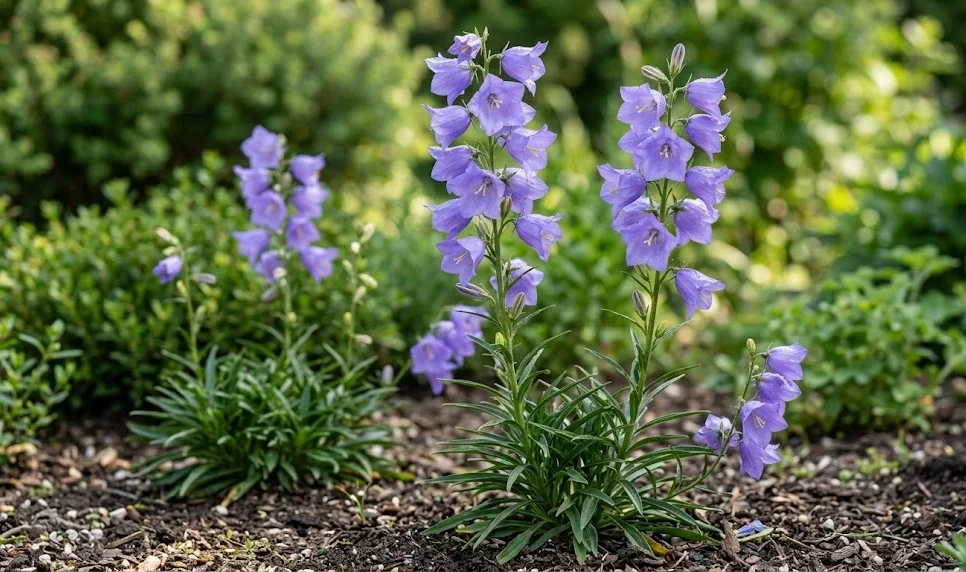

Watering and fertilization are the two most critical components of a maintenance routine that transforms a simple plant into a garden masterpiece. For the peach-leaved bellflower, these tasks are not just about survival, but about fueling the energy required to produce its magnificent floral display. Finding the right balance ensures that the plant remains vigorous and resistant to the stresses of a changing climate. By understanding the specific needs of this species, you can apply professional techniques that lead to healthier plants and more vibrant blooms year after year.
Proper hydration is the lifeblood of this perennial, especially during the peak of its growth in late spring. While it is relatively hardy once established, it does not tolerate long periods of severe drought without showing signs of distress. The goal is to maintain a consistent level of moisture in the soil that mimics the naturally damp meadows where these plants originated. Monitoring the soil regularly will help you determine the exact timing for your watering sessions, ensuring you never let the plant reach the point of wilting.
Fertilization provides the chemical building blocks that the bellflower needs to construct its tall stems and intricate flowers. Without a steady supply of nutrients, the plant may produce fewer blooms or appear stunted in its overall growth. However, over-fertilizing can be just as detrimental as under-feeding, often leading to weak stems that cannot support the weight of the flowers. A professional approach involves understanding what the plant needs at different stages of its life cycle and applying the right products at the right time.
The way you deliver water and nutrients can also affect the health of the foliage and the surrounding soil ecosystem. Using methods that target the root zone directly is far more effective than general overhead broadcasting. This focus on efficiency not only saves resources but also minimizes the risk of leaf-based diseases which thrive in damp environments. By refining your watering and feeding techniques, you create a more sustainable and productive garden that requires less intervention over the long term.
The science of effective watering
To water your bellflowers like a professional, you must move beyond the simple surface sprinkle and aim for deep saturation. Deep watering encourages the roots to grow further down into the soil, where they can access moisture even when the surface has dried out. This creates a much more resilient plant that can withstand a few days of heat or neglect without suffering. A slow, steady application of water is the best way to ensure it penetrates the soil rather than just running off the top.
More articles on this topic
The frequency of your watering will depend heavily on the weather conditions and the type of soil you have in your garden. During hot, dry spells, you may need to water your bellflowers every couple of days to keep them looking their best. In contrast, during cooler or rainier periods, the natural rainfall may be more than enough to meet their needs. Always check the soil moisture by inserting a finger a few inches into the earth; if it feels dry at that depth, it is time to bring out the hose.
Morning is the optimal time for watering, as it allows the plant to take up the moisture before the heat of the day sets in. Any water that accidentally lands on the leaves will have plenty of time to dry in the sun, which significantly reduces the chances of fungal infections. If you must water in the evening, try to be extra careful to keep the foliage dry. Consistency is key, as alternating between extreme dryness and saturating wetness can cause the plant’s tissues to crack or become stressed.
Using a mulching strategy in conjunction with your watering routine can drastically improve the efficiency of your garden. A layer of organic mulch acts like a blanket, slowing down the evaporation of water from the soil surface and keeping the roots cool. It also prevents the soil from crusting over, which makes it easier for future water applications to soak in deeply. This simple addition to your garden beds can reduce your overall water usage while simultaneously improving the health of your bellflowers.
Nutrient requirements and timing
The peach-leaved bellflower is a moderate feeder that benefits from a steady supply of nutrients throughout the spring and early summer. A balanced, all-purpose fertilizer with an N-P-K ratio like 10-10-10 is often sufficient to support healthy growth. Nitrogen helps with leaf and stem development, phosphorus supports strong root systems and flower production, and potassium aids in overall plant health and disease resistance. Applying this in early spring as the first green shoots appear sets the stage for a successful season.
As the plant begins to send up its flower spikes, its nutritional needs shift slightly toward a greater demand for phosphorus. Some gardeners choose to switch to a “bloom boost” formula during this stage to maximize the size and number of the bell-shaped flowers. However, you should avoid any heavy applications of nitrogen once the buds have formed, as this can lead to “leggy” growth. Stems that grow too quickly are often soft and prone to breaking or falling over under the weight of the blossoms.
Liquid fertilizers offer a quick way to deliver nutrients directly to the plant during the height of the growing season. They are particularly useful for container-grown bellflowers, where nutrients can be leached out of the soil more quickly by frequent watering. For plants in the ground, a granular slow-release fertilizer is often more practical, providing a steady stream of food over several months. Always follow the manufacturer’s instructions regarding dosage to prevent “fertilizer burn,” which can damage the sensitive roots.
Organic options, such as compost tea or well-rotted manure, are excellent alternatives for those who prefer a more natural approach to gardening. These materials not only provide essential nutrients but also improve the overall structure and biological health of the soil. Incorporating a layer of high-quality compost into the top few inches of soil each spring is one of the best things you can do for your bellflowers. This builds a rich, living soil that supports the plant’s needs in a holistic and sustainable way.
Managing moisture in different climates
The local climate plays a significant role in how you should manage the watering of your peach-leaved bellflowers. In humid regions, the soil may stay moist for longer, but the risk of fungal diseases is much higher, requiring you to be more careful with air circulation. In arid or semi-arid environments, you may need to implement more aggressive water-saving techniques, such as using drip irrigation systems. Understanding your specific microclimate allows you to tailor your care to the unique challenges of your area.
For those gardening in areas with very sandy soil, water and nutrients can pass through the root zone very quickly. In these cases, it is often better to water and fertilize more frequently but in smaller amounts to ensure the plant has a constant supply. Adding plenty of organic matter to the soil will help increase its “holding capacity,” making your maintenance routine more manageable. Professionals often focus on soil improvement as a way to solve long-term watering and feeding issues.
In contrast, gardeners dealing with heavy clay soil must be cautious not to over-water, as clay holds onto moisture for a long time. Waterlogged soil lacks the oxygen that roots need to breathe, which can lead to rapid decline and death of the plant. If you have clay soil, it is especially important to let the top inch of soil dry out between waterings. Elevating the planting area or creating “mounds” can also help improve drainage and keep the bellflowers’ crowns from sitting in water.
Seasonal shifts also require adjustments to your watering and fertilization schedule as the plant’s metabolism changes. During the dormant winter months, the plant needs very little water and no fertilizer at all, as it is not actively growing. As the days lengthen and temperatures rise in the spring, you can gradually increase your inputs to match the plant’s increasing activity. This responsive approach ensures that you are providing exactly what the plant needs at every stage of the year.
Professional tips for fertilization
When applying granular fertilizer, always make sure to spread it evenly around the “drip line” of the plant rather than piling it against the stems. This is the area directly beneath the outer edge of the leaves, where the most active feeder roots are located. After applying the granules, water the area thoroughly to help dissolve the fertilizer and carry it down into the root zone. This ensures that the nutrients are immediately available to the plant and reduces the risk of surface salts building up.
If you notice that your bellflowers have pale or yellowing leaves despite regular watering, they may be suffering from a micronutrient deficiency. Elements like iron, magnesium, and manganese are needed in very small amounts but are essential for the production of chlorophyll. A specialized micronutrient spray can often provide a quick fix for these issues, restoring the deep green color to the foliage within a few days. However, long-term soil health is always the best way to prevent these deficiencies from occurring in the first place.
Using a “mulch and feed” approach is a highly efficient way to manage your garden beds during the busy spring season. You can apply your fertilizer first, then cover it with a fresh layer of organic mulch to lock in the nutrients and moisture. As the mulch breaks down, it will also contribute its own nutrients to the soil, creating a self-sustaining cycle of fertility. This professional technique saves time and creates a very tidy and attractive appearance for your perennial borders.
Finally, always be observant and let the plants tell you what they need through their growth and appearance. Stunted growth, small flowers, or a lack of vigor are all signs that the plant may need more nutrients or a different watering strategy. Conversely, lush green foliage with no flowers might indicate that you are using too much nitrogen and need to balance your feeding. By becoming a keen observer of your garden, you can fine-tune your care and achieve truly spectacular results with your peach-leaved bellflowers.