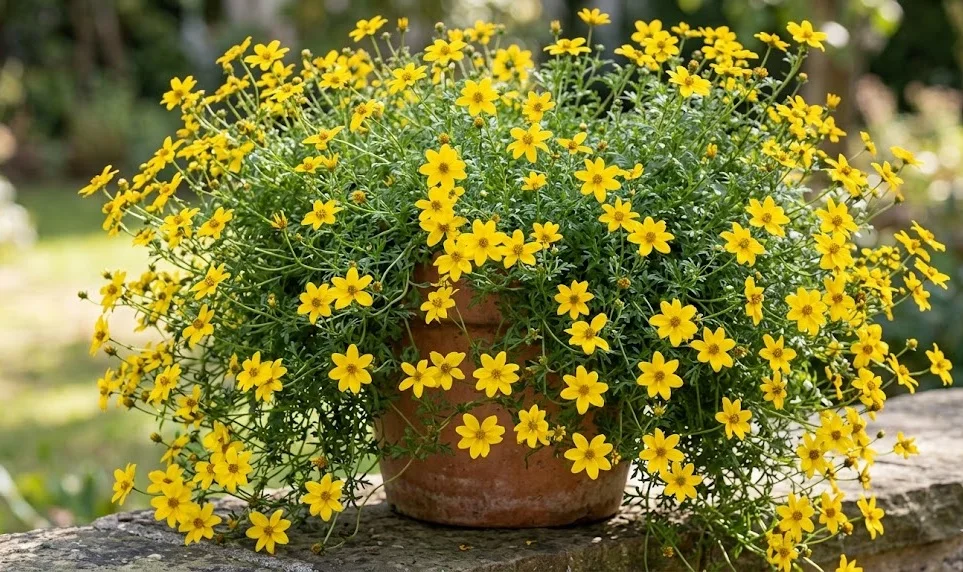

As the vibrant days of summer fade and the first hint of autumn chill enters the air, thoughts must turn to the survival of your garden’s stars. While many treat these golden flowers as disposable annuals, it is entirely possible to preserve them through the cold months with a professional touch. You will find that saving your favorite specimens not only saves money but also allows you to start the next season with much larger and more established plants. This guide outlines the essential steps for successfully moving your plants from the balcony to a safe winter refuge.
Preparing for the transition
The most critical step in the overwintering process is timing your move before the first hard frost strikes your region. You should keep a close eye on the local weather forecast as October approaches and be ready to act when nighttime temperatures consistently drop below five degrees Celsius. While the plants can handle a light chill, a deep freeze will cause irreparable damage to the cellular structure of the stems and leaves. Being proactive rather than reactive ensures that you are bringing in a healthy, strong plant rather than one that is already struggling.
Before moving your plants indoors, you should perform a thorough inspection and a significant “rejuvenation” pruning to make them more manageable. You can cut the long, trailing stems back by about half or even two-thirds of their original length to reduce the amount of energy the plant needs to maintain. This also helps remove any hidden pests or diseased foliage that you certainly don’t want to bring into your living space or greenhouse. Removing any remaining flowers and buds will encourage the plant to focus on root health and survival rather than reproduction.
Cleaning the containers and the foliage is another professional habit that prevents unwanted visitors from hitchhiking into your home. You should gently wash the leaves with a mild soap solution or a spray of water to remove any dust, spider webs, or lingering insects. It is also a good idea to check the soil surface for any fallen debris or weeds that might harbor fungus gnats or other common indoor pests. Starting with a clean plant significantly increases the chances of a successful overwintering experience for both you and your greenery.
Choosing the right indoor location is the final part of the preparation phase for your dormant or semi-dormant plants. You will need a spot that is cool but frost-free, such as a bright basement, a heated garage, or a cool sunroom. The ideal temperature range for overwintering is typically between five and ten degrees Celsius, which keeps the plant in a state of rest without completely stopping its metabolic processes. Too much heat in a standard living room can cause the plant to grow weak, spindly stems that will not survive the return to the outdoors in spring.
More articles on this topic
Indoor care and maintenance
Once your plants are settled in their winter home, their requirements for water will decrease dramatically compared to the summer months. You should only water when the soil feels quite dry to the touch, and even then, only provide enough to keep the root ball from completely dehydrating. Overwatering is the most common cause of failure during the winter, as stagnant moisture in cool conditions leads very quickly to root rot. Think of this period as a time of “suspended animation” where the goal is simply maintenance, not growth.
Light is still a requirement for these plants, even during their winter rest, although they do not need the intense direct sun of mid-summer. A bright windowsill facing south or west is often sufficient to keep the remaining foliage green and healthy until spring returns. If you don’t have a naturally bright spot, you can use basic fluorescent or LED grow lights for a few hours a day to supplement the natural light. The key is to provide enough light to prevent the plant from becoming excessively leggy as it waits for the longer days of spring.
You should completely stop all fertilization during the winter months to avoid encouraging any new, soft growth that would be prone to pests and disease. The plant’s metabolism is at its lowest point of the year, and adding nutrients now would only stress the system and potentially burn the roots. Save your high-quality fertilizers for the spring when you see the first signs of genuine new growth appearing from the base or the stems. Patience is a virtue during this phase of the gardening cycle, as the plant needs this time to rest and recharge.
Keep a close eye on the air circulation around your overwintering pots to prevent the buildup of stagnant humidity and mold. Even in a cool room, the air can become very still, which provides the perfect environment for issues like powdery mildew to develop. You might want to use a small fan occasionally to keep the air moving or ensure that the plants are not crowded too closely together. Monitoring your plants once a week for any changes in leaf color or soil moisture is usually enough to catch any problems before they become serious.
More articles on this topic
Monitoring for indoor pests
Even with the most careful preparation, some pests like spider mites or whiteflies can occasionally reappear in the dry, still air of an indoor environment. Because there are no natural predators inside your home, these populations can grow quickly if they are not detected early on. You should check the undersides of the leaves every time you water to make sure no tiny invaders have established a colony. If you do spot something, a gentle wipe with a damp cloth or a spray of insecticidal soap is usually enough to handle the problem in its early stages.
Fungus gnats are another common nuisance that can thrive in indoor potting soil if it is kept too moist for long periods. These tiny black flies are harmless to humans but their larvae can feed on the fine roots of your plants if the population becomes too large. Allowing the top layer of soil to dry out completely between waterings is the most effective way to break their life cycle and discourage them from returning. You can also use yellow sticky traps placed near the surface of the soil to catch the adult flies and monitor the situation.
If you notice the leaves becoming dusty or dull, a quick “shower” in the sink with lukewarm water can help refresh the plant and physically remove many pests. This also helps the plant breathe better by clearing the stomata on the surface of the foliage, which is important for efficient gas exchange. Be sure to let the excess water drain away completely before returning the pot to its saucer or decorative container. Keeping your indoor “guests” clean and healthy makes them much more pleasant to live with during the long winter months.
Sometimes a plant might lose many of its leaves during the transition indoors, which can look alarming but is often just a natural response to the change in environment. As long as the stems remain firm and green when you scratch the surface with a fingernail, the plant is still alive and will likely recover. Don’t be tempted to “fix” the problem with more water or food; just stay the course with minimal care and wait for the natural cues of spring. Understanding the resilience of these plants will give you the confidence to stick with the process even when they don’t look their best.
Returning to the outdoors
As the days begin to lengthen in late February or March, you will likely see the first signs of renewed activity from your overwintered plants. This is the signal to start slightly increasing the amount of water you provide and perhaps moving the pots to a warmer, even brighter location. You can also begin to apply a very diluted liquid fertilizer to support the new shoots that are starting to emerge from the old stems. This gradual “wake-up” call prepares the plant for the much more intense growing conditions it will face once it returns to the balcony.
Before moving your plants back outside permanently, they must undergo a period of “hardening off” to acclimate to the outdoor air and sun. Start by placing them in a sheltered, shady spot for just an hour or two during the warmest part of the day, then bring them back inside. Gradually increase the duration and the intensity of the light exposure over a period of ten to fourteen days until they can handle a full day of sun. This transition is vital for preventing sunscald on the tender new leaves and protecting the plant from the shock of wind and temperature changes.
Once the danger of frost has completely passed and the nights are reliably warm, you can repot your survivors into fresh soil and larger containers if needed. This is the perfect time to give them a final shaping prune to encourage a bushy, symmetrical habit for the coming summer display. You will find that these overwintered plants often grow much faster and produce more flowers earlier than brand-new nursery stock. There is a great sense of pride in seeing your “old friends” returning to their full golden glory on the balcony for another year.
Reflecting on the success of your overwintering efforts helps you refine your technique for the following season. You might find that certain locations in your house worked better than others, or that some varieties were more resilient than their neighbors. Every year you save a plant, you are gaining a deeper understanding of its life cycle and its incredible ability to adapt to different conditions. This expert knowledge is what separates a casual gardener from a true horticulturist who can maintain a beautiful display year after year.