
Understanding the specific light needs of this perennial is essential for achieving the best balance between foliage health and floral abundance. While it is often described as an adaptable plant, its performance varies significantly depending on the intensity and duration of the sunlight it receives. A professional gardener knows how to position this species to maximize its purple blooming potential without causing heat stress or leggy growth. By mastering the nuances of solar exposure, you can ensure your bellflowers remain a vibrant and high-performing part of your landscape design.
The ideal solar exposure
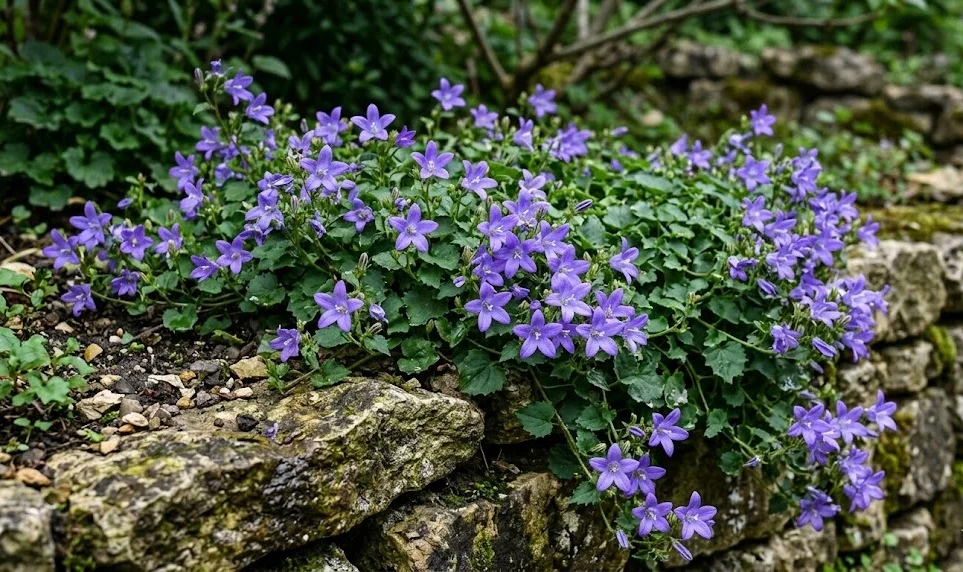
For the most prolific blooming, you should aim to provide your bellflowers with a location that receives at least six hours of direct sunlight each day. This level of exposure fuels the plant’s metabolic processes and provides the energy needed to produce its characteristic star-shaped flowers. In temperate climates, full sun is generally the best choice for achieving that “carpet of purple” effect that gardeners prize so highly. Professional designs often place this species in south or west-facing borders where the light is most consistent throughout the day.
However, the quality of the light is just as important as the quantity, and you should consider how the sun’s path changes throughout the seasons. In the early spring, the light is less intense, which is perfect for encouraging new growth without the risk of drying out the soil too quickly. As the summer progresses, the same location might become significantly hotter and more demanding for the plant’s hydration needs. An expert gardener anticipates these shifts and plans the watering routine accordingly to support the plant in its sunniest spots.
While full sun is ideal for flowers, the foliage of the Serbian bellflower actually appreciates a bit of respite from the harshest afternoon rays. You might find that the plant looks its best when it receives bright morning light followed by a period of “dappled shade” during the hottest part of the day. This balance prevents the leaves from becoming scorched or fading in color, which can happen in exceptionally high-intensity environments. Professional positioning often takes advantage of nearby trees or structures to provide this natural, shifting shade.
If you are planting this species in a rock garden, you should be aware of how the stones themselves reflect and absorb light. Darker stones can hold onto heat and increase the local temperature, which might stress the plant if it is already in a full-sun position. Conversely, lighter-colored stones can reflect light into the center of the plant, helping to keep the foliage dense and green. Understanding these micro-environmental factors is a professional skill that helps you fine-tune the plant’s light exposure for optimal results.
More articles on this topic
Managing high-intensity sunlight
In regions with very hot summers or high altitudes, the intensity of the sun can be a double-edged sword for this trailing perennial. You should monitor the foliage for signs of “bleaching,” where the green color looks washed out or the edges of the leaves become crispy and brown. This is a clear indicator that the light is too intense and the plant is struggling to maintain its moisture levels. In such cases, providing a bit more shade or increasing the frequency of irrigation is a necessary professional adjustment.
Using temporary shade structures can be a useful strategy during the peak of summer if your plants are in a particularly exposed location. You might use a light landscape fabric or even a decorative lattice to break up the direct rays of the sun during the early afternoon. This “nursing” of the plant during extreme weather events ensures that it survives the heat without losing its aesthetic appeal. A professional is always ready to step in with these small interventions to protect the long-term health of the landscape.
Mulching becomes even more critical in high-light environments because it protects the soil from the drying effects of the sun. You should ensure a consistent layer of organic mulch is maintained around the base of the plant to keep the roots cool and moist. This underground temperature regulation helps the plant cope with the stress of intense light on its upper foliage. An expert knows that the health of the leaves is directly tied to the stability of the root zone’s environment.
The timing of your maintenance tasks should also be adjusted to account for high-intensity sunlight in the garden. You should avoid pruning or dividing your plants during the middle of a sunny day, as the exposed tissues can dry out almost instantly. Instead, perform these tasks in the early morning or on an overcast day when the plant is not under solar stress. This professional practice reduces transplant shock and ensures that your bellflowers recover quickly from any physical interventions.
More articles on this topic
Adapting to shade conditions
One of the great advantages of this species is its ability to grow and even thrive in partial shade where other perennials might struggle. You should consider using it in areas that receive only three to four hours of direct sun, such as under deciduous trees or near the edges of a woodland garden. While the number of flowers might be slightly lower than in full sun, the foliage will often be a deeper, richer green. This adaptability makes it a professional favorite for filling in those difficult “in-between” spots in a diverse garden layout.
In deeper shade, however, you might notice that the plant becomes “leggy” as the stems stretch out in search of more light. This can lead to a less dense mat of foliage and a sparse floral display that doesn’t provide the same visual impact. You should use pruning to manage this growth habit and encourage the plant to stay as compact as possible. If the plant becomes too thin, it may be a sign that the location is too dark and the specimen needs to be moved to a brighter spot.
Moisture management is different in shaded areas, as the soil tends to stay damp for much longer than in sunny locations. You must be careful not to overwater your shade-grown bellflowers, as this can quickly lead to fungal issues like powdery mildew or root rot. A professional approach involves checking the soil moisture more frequently in the shade to ensure it is not becoming stagnant. Good air circulation is even more important here to help the foliage dry out after rain or dew.
Finally, consider the competition for light from taller neighboring plants that might be casting a shadow over your bellflowers. You should periodically trim back any overhanging branches or aggressive neighbors that are blocking too much of the available light. Maintaining a “window” of light for your ground cover ensures that it remains healthy and productive even in a crowded border. This ongoing management of the garden’s canopy is a key part of maintaining a professional and balanced landscape over many years.