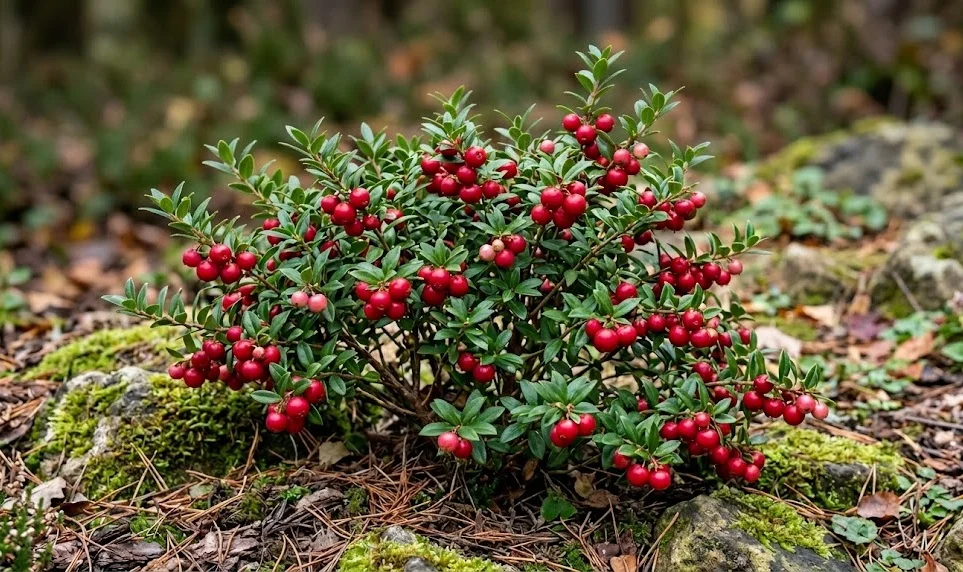

Understanding the light requirements of prickly heath is essential for achieving the perfect balance between lush, green foliage and a prolific display of colorful winter berries. This shrub is remarkably versatile, but its performance is directly tied to the intensity and duration of the light it receives throughout the seasons. In its natural habitat, it often grows on the edges of woodlands or in open heaths where it enjoys bright, filtered light and cool conditions. As a gardener, your goal is to replicate these conditions to ensure the plant remains compact, healthy, and visually striking.
The amount of light the plant receives will significantly influence its growth habit and the density of its leathery, evergreen leaves. In a spot with too much deep shade, the shrub may become “leggy,” with long gaps between the leaves as it stretches toward the nearest light source. Conversely, while it can handle a fair amount of sun, too much direct, midday heat can cause the foliage to scorch or turn a dull, brownish color. Finding that “sweet spot” in your garden where the light is bright but not punishing is the secret to a professional-looking specimen.
Sunlight is also the primary driver for the production of the bell-shaped flowers that eventually turn into the iconic berries we value so much. Without adequate light, the plant will prioritize leaf survival over reproductive success, resulting in fewer flowers and a disappointing berry crop in the autumn. For the best fruiting results, a location that receives at least four to six hours of sunlight—preferably in the morning—is generally considered ideal. This morning sun provides the energy needed for blooming while the afternoon shade protects the plant from the highest temperatures of the day.
Seasonal changes in light must also be considered, as the angle and intensity of the sun shift significantly between the summer and winter months. A spot that is perfectly shaded in the summer by a deciduous tree may become fully exposed to the harsh winter sun once the leaves have fallen. This winter exposure can be particularly challenging when combined with cold winds, leading to the desiccation mentioned in previous chapters. By carefully observing the light patterns in your garden throughout the entire year, you can choose a permanent home for your prickly heath where it will truly flourish.
Balancing sun and shade for optimal growth
When selecting a site, think of the prickly heath as a plant that loves the light but hates the heat that often comes with it. A north or east-facing garden bed is often the best choice, as it provides the bright light of the morning without the intense radiation of the late afternoon sun. If you only have a south-facing spot available, you might need to provide some “dappled” shade using taller, thinner plants or a trellis to break up the direct rays. This filtered light mimics the natural woodland edge environment where these shrubs are most at home.
More articles on this topic
In cooler, coastal climates with frequent cloud cover and high humidity, the plant can often tolerate much more direct sun than it could in a dry, inland area. The moisture in the air and the soil helps to cool the leaves, allowing them to process more light without the risk of scorching. If you live in a region with very hot summers, you must prioritize shade during the hours of 12:00 to 16:00 to prevent the plant from becoming stressed. This regional variation means that there is no “one size fits all” rule for light, and you must adapt to your local conditions.
The color of the foliage can actually serve as a guide to whether the light levels are correct for your specific plant. Deep, dark green leaves usually indicate that the plant is happy with its current light levels or might even be able to handle a bit more. If the leaves start to look pale or yellowish (and you have ruled out soil pH issues), the plant might be getting too much intense sun. On the other hand, if the new growth is very thin and the plant looks sparse, it is a clear signal that you should move it to a brighter location.
For gardeners with very shaded plots, there are certain cultivars that have been bred to be more shade-tolerant than the standard species. While these will still produce fewer berries than their sun-drenched counterparts, they will maintain a better shape and healthier foliage in lower light conditions. Always check the specific labels when buying new plants to ensure their light requirements match the reality of your garden’s layout. A well-placed shrub is a low-maintenance shrub, as it won’t be constantly struggling against its environment.
Impact of light on berry development and color
The relationship between light and berry production is one of the most important aspects of caring for this ornamental shrub. The process of forming flower buds begins many months before you see the first bloom, and this process requires a significant amount of solar energy. If the plant is shaded during the late summer and autumn when these buds are forming, the following year’s display will be noticeably thinner. You should ensure that the canopy of neighboring plants is kept in check so they don’t overshadow your evergreens during this critical period.
More articles on this topic
Once the flowers have been pollinated and the berries begin to grow, light continues to play a role in the intensity of their final color. Many of the pink and purple-berried varieties require a certain amount of UV light to develop their deepest and most vibrant hues. Berries that grow in deep shade may remain pale or fail to reach the characteristic “neon” glow that many gardeners find so appealing. By providing adequate light, you are essentially “painting” the berries with the sun to achieve the best possible aesthetic result.
The duration of daylight also signals to the plant when it is time to move from the growing phase into the fruiting and then dormant phases. As the days shorten in the autumn, the plant shifts its resources into ripening the fruit and hardening off its wood for the coming winter. If the plant is subjected to artificial light from streetlights or powerful garden lamps, this natural cycle can sometimes be disrupted. While usually not a major problem, it is something to keep in mind if your plants seem to be “confused” about the change of seasons.
Finally, remember that the berries themselves are evergreen-adjacent in their persistence, and they need light to remain firm and healthy throughout the winter. A plant that is buried in a dark corner of the garden during the winter may see its berries rot or drop off sooner than a plant in a brighter spot. Even in the dormant season, light provides a small amount of warmth and energy that helps the plant maintain its decorative features. A bright winter location ensures that your garden remains a colorful haven even on the greyest of days.
Light considerations for indoor and container plants
If you are growing this shrub in a container on a patio or balcony, you have the advantage of being able to move the plant to follow the best light. During the spring and autumn, you can place the pot in a prominent, sunny spot where it can soak up the energy it needs for growth and fruiting. In the height of summer, you can easily shift the container into a cooler, shaded area to protect it from the midday heat. This mobility allows you to provide a “perfect” light environment that would be impossible for a plant stuck in the ground.
When used as a temporary indoor decoration during the winter, the light requirements of the prickly heath become much more challenging to meet. Indoor air is usually too dry and the light levels too low for the plant to survive for long periods inside a typical home. You should place the plant in the brightest possible spot, such as a south-facing windowsill, and keep it away from direct heat sources like radiators. Most experts recommend keeping the plant indoors for only a few weeks before returning it to a more natural, outdoor environment.
For those using these shrubs in large outdoor planters, consider the “aspect” of the container and how it might create its own shadows. A large, deep pot can actually shade the base of the plant, which might be beneficial for keeping the roots cool but could also limit the growth of lower branches. You should rotate your containers every few weeks to ensure that all sides of the plant receive an equal amount of light. This prevents the shrub from developing a “flat” side where the branches have died back due to a lack of sun.
Lastly, be aware that the reflective light from light-colored walls or glass windows can significantly increase the light intensity for container plants. While this can be a boost in the winter, it can lead to rapid overheating and leaf burn during a summer heatwave. You should monitor your container plants closely when they are placed near reflective surfaces and be ready to move them if they show signs of stress. Mastering the light dynamics of your specific space is the final step in becoming an expert at growing this beautiful evergreen.