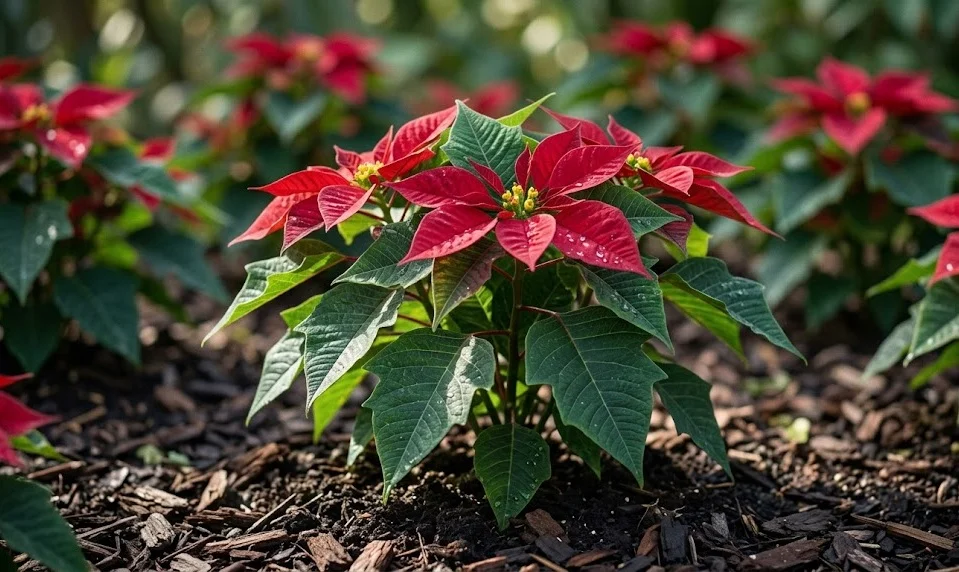

Mastering the hydration and nutrition of your plants is the most important skill for ensuring they stay vibrant and healthy throughout the year. Many growers struggle with these tasks because the needs of the plant change significantly depending on the season and its growth stage. You must learn to read the subtle signs the plant gives you when it is thirsty or hungry for specific minerals. A professional approach to watering and feeding will prevent the most common causes of plant failure, such as root rot or nutrient deficiencies.
The frequency of watering is not something that should be dictated by a calendar, but rather by the actual moisture level of the soil. You should develop the habit of checking the top inch of the substrate with your finger every few days. If the soil feels dry to the touch, it is time to provide a thorough watering until the liquid runs out of the drainage holes. Never allow the plant to sit in standing water, as this is the fastest way to kill the root system.
Water temperature is a detail that many casual gardeners ignore, often to the detriment of their tropical plants. You should always use water that is at room temperature to avoid shocking the sensitive roots with a sudden chill. If your tap water is very cold, let it sit in a watering can for a few hours before applying it to the soil. This also allows some of the chlorine to evaporate, which can be beneficial for the long-term health of the plant.
The method of application also matters when you are trying to keep the foliage and bracts in pristine condition. You should always aim the water directly at the soil surface rather than pouring it over the leaves or into the center of the plant. Keeping the foliage dry helps prevent the development of fungal diseases and unsightly water spots on the colorful bracts. If you accidentally get water on the leaves, gently blot it dry with a soft cloth.
Understanding the nutritional needs of your plant
Fertilizing is essential for maintaining the lush green leaves and ensuring the plant has enough energy to produce colorful bracts. During the active growing season in spring and summer, you should use a balanced, water-soluble fertilizer every two to three weeks. This provides a steady supply of nutrients that supports the rapid development of new stems and foliage. You must be careful to follow the dosage instructions on the label to avoid over-feeding.
More articles on this topic
The ratio of nutrients in your fertilizer can affect the shape and color of the plant as it matures. A formula with a slightly higher nitrogen content is beneficial during the early summer when you want the plant to grow large and bushy. As autumn approaches, switching to a fertilizer with more potassium and phosphorus can help strengthen the stems. Understanding these nutritional shifts allows you to manipulate the growth of the plant more effectively.
You should always apply fertilizer to moist soil rather than dry substrate to prevent the concentrated salts from burning the roots. If the plant is very dry, water it lightly first and then follow up with the fertilizer solution an hour later. This ensures that the nutrients are distributed evenly and safely throughout the root zone. Regular flushing of the soil with plain water once a month can also help prevent the buildup of harmful fertilizer salts.
During the blooming period in the winter, the nutritional requirements of the plant drop significantly. Most experts recommend stopping all fertilization once the bracts have fully colored up and the plant is on display. The plant is essentially in a holding pattern during this time and does not require additional fuel for new growth. Resuming the feeding schedule in the spring will provide the boost needed to start the new life cycle.
Identifying and correcting nutrient imbalances
Nutrient deficiencies often manifest as specific patterns of discoloration on the leaves, which you should learn to identify. For example, a lack of nitrogen usually results in the entire plant turning a pale green or yellow color, starting with the older leaves. If you notice yellowing between the veins while the veins themselves remain green, the plant may be suffering from a magnesium deficiency. Identifying these symptoms early allows you to apply a targeted corrective measure.
More articles on this topic
Over-fertilization is just as dangerous as a lack of nutrients and can lead to immediate and visible damage. One common sign is the appearance of white, crusty deposits on the soil surface or the rim of the pot. You may also see “fertilizer burn,” which looks like brown, scorched tips on the leaves and stunted growth. If you suspect you have over-fed the plant, you should flush the soil with large amounts of clean water to wash away the excess salts.
The pH of the soil also plays a role in how well the plant can absorb the nutrients you provide. These plants prefer a slightly acidic environment, typically with a pH between 5.5 and 6.5. If the soil becomes too alkaline, certain elements like iron become locked away and unavailable to the plant, leading to chlorosis. You can use a simple home test kit to monitor the pH and adjust it if necessary with specialized soil amendments.
Micronutrients like molybdenum are particularly important for this species, especially during the bract development phase. A deficiency in molybdenum can cause the leaf margins to curl or become misshapen, which ruins the aesthetic of the plant. Many high-quality professional fertilizers already include these trace elements in the correct proportions. Ensuring your fertilizer is comprehensive will prevent these obscure but frustrating problems from occurring.
Seasonal adjustments to your watering routine
As the seasons change, the amount of water your plant needs will fluctuate based on light intensity and temperature. In the height of summer, the plant will transpire much faster and may require watering every other day. You should monitor the soil more frequently during heatwaves to ensure the roots do not dry out completely. A plant that wilts from thirst during the growing season will often lose its lower leaves.
When autumn arrives and the days get shorter, the plant’s metabolism naturally begins to slow down. You will find that the soil stays moist for longer periods, meaning you should increase the time between watering sessions. Overwatering during the cool autumn months is a common mistake that leads to root rot just before the blooming season. You must adjust your habits to match the plant’s reduced demand for moisture.
During the winter blooming phase, the plant is often kept in a cooler room, which further reduces its water needs. You should keep the soil slightly moist but never saturated, as the roots are less active during this time. The presence of the colorful bracts can make it harder to see the soil, so make sure to check under the foliage regularly. Providing just enough water to maintain turgidity in the leaves is the goal for this period.
After the bracts fall and the plant enters its dormancy phase in late winter, the watering should be reduced to a minimum. You only need to provide enough water to keep the stems from shriveling and the root ball from turning into a hard brick. This “rest” period is essential for the plant to recover its strength for the following year. Once you see new green buds appearing in the spring, you can slowly return to a more frequent watering schedule.
Water quality and its impact on plant health
The source of your water can have a subtle but long-term effect on the health and appearance of your plants. Hard water, which contains high levels of calcium and magnesium, can gradually raise the soil pH and cause nutrient lockout. If you have very hard tap water, you might notice white spots on the leaves or a decline in plant vigor over time. Using filtered water or rainwater can be a great alternative if your tap water is of poor quality.
Chlorine and chloramine are added to most municipal water supplies and can sometimes irritate the sensitive roots of tropical species. While many plants can tolerate these chemicals, some growers prefer to let tap water sit for 24 hours to allow the gases to dissipate. This simple practice is easy to implement and can provide an extra layer of safety for your most prized specimens. It also ensures the water is at the ideal room temperature for application.
Softened water should be avoided at all costs because it typically contains high levels of sodium, which is toxic to plants. The salt used in water softeners can quickly build up in the soil and dehydrate the plant from the inside out. If you have a home water softening system, try to get your gardening water from an outdoor tap that bypasses the softener. If that is not possible, using bottled spring water is a safer choice for your indoor garden.
Monitoring the electrical conductivity (EC) of your water and fertilizer solution is a professional technique for serious growers. This measurement tells you the total concentration of dissolved salts in the water, helping you avoid over-fertilization. While most casual hobbyists don’t need to do this, it can be helpful if you are struggling with mysterious leaf issues. Keeping your water quality high is the final step in a professional watering and fertilizing program.