
Maintaining the field maple requires a balance between understanding its natural resilience and providing the specific nutrients it needs for optimal growth. This tree is incredibly versatile, making it a favorite for both urban parks and traditional rural hedgerows. You will find that it adapts well to different environmental conditions, provided the basics of soil and space are met. Consistency is the key to ensuring that the specimen remains healthy and vibrant throughout its long lifespan.
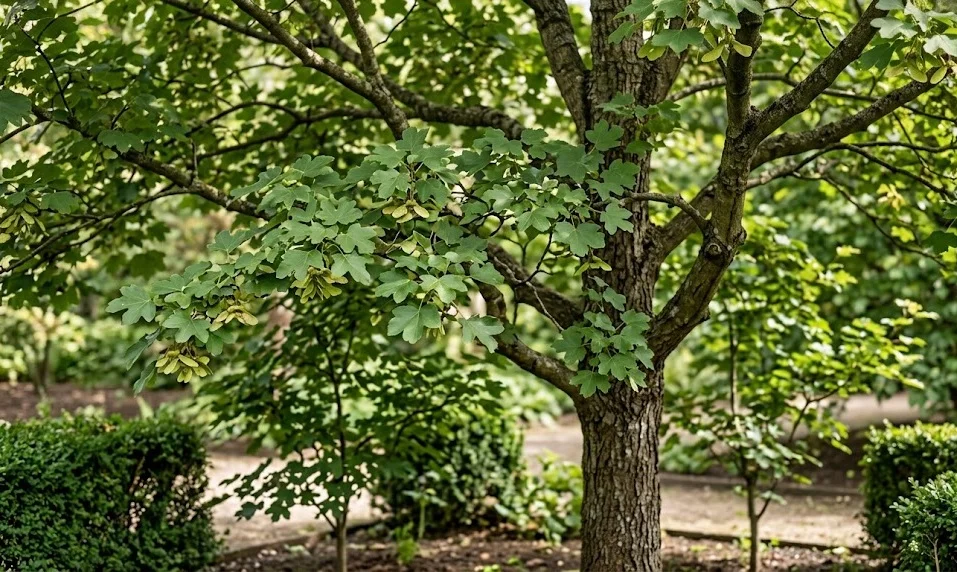
The structural integrity of the tree is one of its most valuable features for any landscape architect or home gardener. It develops a dense, rounded crown that provides excellent shade and shelter for local wildlife. You should observe the growth patterns during the early years to ensure the leader branch remains dominant and strong. Regular inspection of the trunk will reveal the beautiful corky ridges that are a signature of this species.
Environmental adaptability is perhaps the most significant advantage of choosing this particular maple for your garden project. It can withstand moderate pollution and compacted soils, which is why it thrives so well in city environments. However, providing a stress-free environment will always yield a more aesthetically pleasing and physically robust specimen. You should monitor the foliage during the peak of summer to ensure the tree is not suffering from extreme heat stress.
Seasonal care involves specific tasks that align with the tree’s natural biological clock and growth cycles. In the spring, the focus should be on supporting new growth, while autumn is the time for preparation and stabilization. Understanding these transitions allows you to work with the tree rather than against its natural tendencies. A well-cared-for field maple will reward the gardener with stunning golden hues every single autumn.
Soil and substrate considerations
The quality of the soil plays a fundamental role in the overall vitality and growth rate of the field maple. While it is famously tolerant of various soil types, it performs best in well-drained, fertile ground with a neutral to alkaline pH. You should avoid areas where water tends to stagnate, as this can lead to root complications over time. Testing your soil before planting can provide valuable insights into necessary amendments for long-term success.
More articles on this topic
Heavy clay soils can be challenging, but this maple is one of the few species that can manage them reasonably well. If you are dealing with particularly dense clay, incorporating organic matter like well-rotted compost can improve the structure and aeration. This allows the root system to penetrate deeper and establish a more stable foundation for the growing canopy. Proper drainage ensures that the roots can breathe even during periods of heavy rainfall.
Sandy soils offer excellent drainage but may lack the nutrient-retaining capacity that this tree prefers for rapid growth. In such cases, mulching becomes an essential part of the care routine to prevent the soil from drying out too quickly. You might consider adding a slow-release fertilizer in early spring to compensate for the rapid leaching of nutrients in sandy environments. Consistently monitoring the moisture levels will help you adjust your care strategy based on the specific site conditions.
Nutrient availability is directly linked to the chemical composition and biological activity within the soil around the tree. Encouraging a healthy community of beneficial soil organisms will naturally improve the health of your field maple. Avoid using harsh chemical treatments that might disrupt this delicate subterranean ecosystem. Instead, rely on natural mulches and organic boosters to create a living soil environment that supports the tree’s needs.
Monitoring environmental stressors
As climate patterns become more unpredictable, the ability to manage environmental stress becomes a vital skill for any gardener. The field maple is hardy, but extreme temperature fluctuations can still cause some physiological strain on the plant. You should look for signs of leaf scorch or premature leaf drop during unusually hot and dry summers. Providing extra care during these periods can prevent long-term damage to the tree’s vascular system.
More articles on this topic
Wind exposure is another factor that can influence the shape and health of the field maple, especially in open landscapes. While it is often used as a windbreak, young trees may require staking to protect them from being uprooted or bent during storms. Once the root system is firmly established, the tree becomes much more resistant to mechanical damage from heavy gusts. Ensuring the crown is not overly dense can also help wind pass through the branches more safely.
Urban pollution, including dust and exhaust fumes, can accumulate on the leaves and hinder the process of photosynthesis. If your tree is located near a busy road, a gentle rinsing of the foliage during dry spells can be quite beneficial. This simple task helps the leaves “breathe” better and keeps the tree looking fresh and vibrant. Fortunately, this species is known for its high tolerance to the chemical pollutants commonly found in city air.
Salt tolerance is a specific trait that makes this maple suitable for coastal areas or roadsides where de-icing salts are used. However, excessive salt accumulation in the soil can still hinder the tree’s ability to take up water efficiently. If you suspect high salt levels, deep watering can help flush the salts away from the sensitive root zone. Being proactive about these environmental factors will ensure your field maple remains a highlight of the landscape.
Supporting structural growth
The physical form of the field maple is highly malleable, which is why it is so frequently used in formal hedging. If you are growing it as a standalone tree, you should aim for a clear trunk and a balanced canopy. Removing competing leaders early in the tree’s life will ensure a more stable and aesthetically pleasing mature form. This structural support is essential for preventing branch failure during heavy snow or high winds.
Internal branching patterns should be monitored to ensure that light can reach the inner parts of the canopy. Overlapping or rubbing branches can create wounds that serve as entry points for various pathogens and pests. By thinning out the interior occasionally, you improve air circulation and reduce the risk of fungal infections. This practice also encourages the development of healthy, vigorous foliage throughout the entire crown of the tree.
Bark health is often an indicator of the overall condition of the tree and its growth environment. The distinctive corky bark should be firm and free from deep cracks or weeping sores that might suggest underlying issues. Avoid mechanical damage from lawnmowers or weed trimmers, as wounds near the base can be particularly damaging. A protective ring of mulch around the trunk can serve as a physical barrier against such accidental impacts.
Root health is the foundation of structural growth, though it is often the most neglected aspect of tree care. Avoid compacting the soil directly under the canopy, as this restricts the flow of oxygen and water to the roots. If you must walk or work near the tree, try to distribute the weight to minimize soil compression. A healthy root system translates directly into a robust and resilient canopy that can withstand various challenges.
Seasonal management tasks
Spring is the time of awakening, when the sap begins to flow and the buds start to swell with life. This is the ideal window to assess any winter damage and remove any dead or broken wood from the previous season. Applying a fresh layer of mulch now will help retain moisture for the upcoming growing season and suppress competing weeds. It is also the best time for a light application of balanced fertilizer if the soil quality is poor.
Summer care focuses primarily on moisture management and monitoring for the presence of common garden pests. During long periods of drought, deep watering once or twice a week is more effective than frequent shallow sprinkles. This encourages the roots to grow deeper into the soil, seeking more consistent moisture levels far below the surface. Keep an eye out for aphids or mildew, which can occasionally affect the appearance of the foliage during humid months.
Autumn brings a spectacular transformation as the leaves turn to shades of gold, orange, and sometimes deep red. This is the season to gather fallen leaves, which can be composted to create excellent organic matter for future use. You should also take this time to check the stability of any supports or stakes before the winter winds arrive. Reducing watering gradually as the tree enters dormancy helps it prepare for the colder months ahead.
Winter is the period of rest for the field maple, but the gardener’s job is not entirely finished during this time. It is the perfect season for major structural pruning, as the absence of leaves allows for a clear view of the branch framework. You should also inspect the bark for any signs of animal damage, as rodents may gnaw on the trunk during food shortages. Ensuring the ground isn’t overly waterlogged during thaws will help prevent root rot issues.
Enhancing aesthetic appeal
The field maple is a versatile tool for any designer looking to create a natural and harmonious garden environment. Its small, lobed leaves provide a fine texture that contrasts beautifully with larger-leaved species like oaks or planes. You can use it as a backdrop for colorful perennials or as a focal point in a small urban courtyard. Its ability to be kept small through pruning makes it suitable for gardens of almost any size.
Fall color is one of the most celebrated attributes of this tree, providing a reliable display of warm tones. To maximize this effect, ensure the tree receives plenty of sunlight during the growing season, as this promotes pigment development. Combining the maple with evergreens can create a striking visual contrast when the golden leaves are at their peak. The fallen leaves also create a beautiful, natural carpet that adds a woodland feel to the landscape.
The corky bark provides significant visual interest even during the barren winter months when other trees may look plain. When highlighted with soft garden lighting, the texture of the bark becomes a dramatic feature of the nighttime landscape. This architectural quality is one of the reasons why the field maple is increasingly popular in modern garden designs. It brings a sense of age and character to even the newest and most modern outdoor spaces.
Wildlife attraction is an inherent benefit of including the field maple in your planting schemes and garden plans. The flowers provide an early source of nectar for bees and other pollinators when few other plants are in bloom. Later in the year, the winged seeds, known as samaras, provide food for birds and small mammals throughout the winter. By choosing this tree, you are actively contributing to the biodiversity and ecological health of your local area.
Long-term health and longevity
A field maple can live for several centuries if it is planted in the right location and given basic care. Longevity is built upon a foundation of consistent monitoring and timely intervention when problems are first identified. You should keep a record of any major events, such as severe droughts or heavy pruning sessions, to track the tree’s history. This long-term perspective allows you to make better decisions for the future health of your specimen.
As the tree ages, its needs may change slightly, requiring a more hands-off approach to allow it to reach its natural potential. Mature trees often develop a more complex relationship with the local soil fungi, which helps them acquire nutrients more efficiently. You should avoid heavy digging or construction work within the dripline of an established maple to protect these delicate connections. Respecting the space of a mature tree is the best way to ensure it continues to thrive for generations.
Succession planning is an important concept in larger gardens or estates where the field maple is a key feature. Planting younger trees periodically ensures that there will always be a canopy present, even as the older specimens reach the end of their lives. This creates a diverse age structure that is beneficial for both the aesthetic of the garden and the local wildlife. It also allows you to experiment with different cultivars or placement strategies over many years.
Ultimately, the field maple is a tree that gives back much more than it requires in terms of labor and resources. Its quiet strength and reliable performance make it a cornerstone of successful and sustainable gardening practices. By following these professional guidelines, you ensure that your tree remains a healthy and beautiful part of your world. The bond between a gardener and a long-lived tree like the field maple is one of the most rewarding aspects of horticulture.