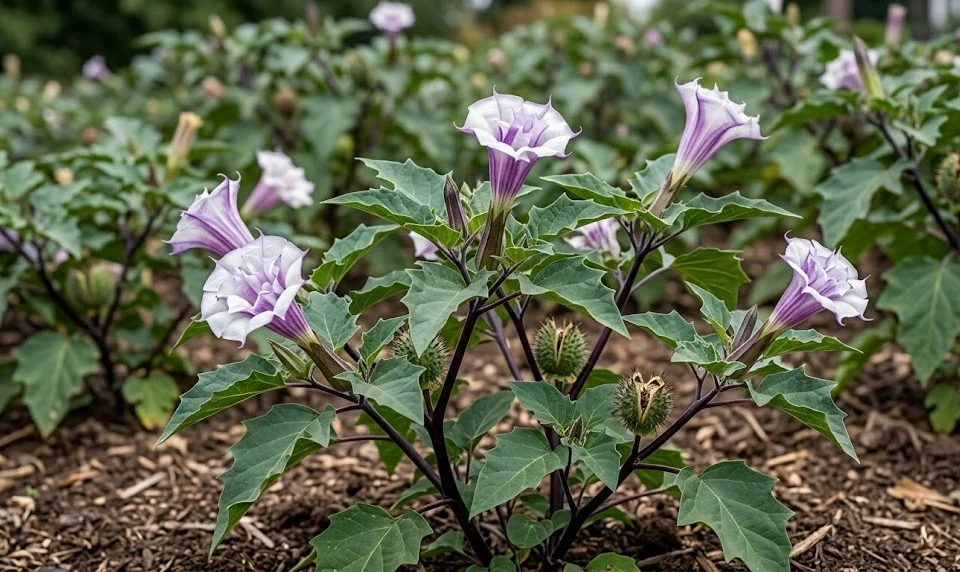

Maintaining the health of the devil’s trumpet requires a vigilant eye for the various diseases and pests that can affect this exotic species. While the plant is generally robust, its large leaves and succulent stems can attract a variety of unwanted visitors and pathogens. Early identification and a professional approach to treatment are essential for preventing a minor issue from becoming a major infestation. By understanding the common threats, you can take proactive steps to protect your plants and ensure they remain a highlight of your garden.
Identifying sucking insects
Aphids are among the most common pests that you will encounter, often clustering on the tender new growth and the undersides of leaves. These tiny insects suck the sap from the plant, causing the leaves to become distorted, curled, and sometimes covered in a sticky substance called honeydew. If left untreated, aphids can weaken the plant and even transmit viral diseases between different specimens in your garden. A strong blast of water from a garden hose can often dislodge these pests before they have a chance to establish a large colony.
Whiteflies are another frequent nuisance, especially in warm, stagnant environments like greenhouses or sheltered patios. These small, white-winged insects flutter around the plant when the foliage is disturbed and can cause similar damage to aphids. They also produce honeydew, which can lead to the development of black sooty mold on the surface of the leaves. Using yellow sticky traps is a professional way to monitor their presence and reduce their numbers without using harsh chemicals.
Spider mites can be a significant problem during hot, dry periods when the plant is already under some environmental stress. These pests are almost invisible to the naked eye, but their presence is revealed by fine webbing and a characteristic stippling or bronzing of the leaves. If you suspect an infestation, you can shake a leaf over a piece of white paper to see if any tiny dots start moving. Increasing the humidity around the plant and regular misting can help deter these mites, as they thrive in dry conditions.
Mealybugs may occasionally appear as small, white, cottony tufts in the leaf axils or along the stems of the devil’s trumpet. These insects are well-protected by their waxy coating, making them somewhat difficult to eliminate with standard contact sprays. For a targeted approach, you can use a cotton swab dipped in rubbing alcohol to remove individual bugs from the plant. Consistently checking the hidden nooks and crannies of the plant is the best way to catch mealybugs before they spread to the entire specimen.
More articles on this topic
Fungal and bacterial issues
Leaf spot diseases, often caused by various fungal pathogens, can manifest as brown or black spots with yellow halos on the foliage. These fungi thrive in humid conditions and are often spread by water splashing from the soil or between leaves. If you notice these spots, it is important to remove the affected leaves immediately and dispose of them far from your compost pile. Improving air circulation around the plant by spacing them correctly can significantly reduce the risk of fungal outbreaks.
Powdery mildew is another common fungal issue that appears as a white, dusty coating on the surface of the leaves and stems. While it may not kill the plant immediately, it can significantly reduce the plant’s ability to photosynthesize and weaken its overall vigor. This disease is most prevalent when the days are warm and the nights are cool and damp. Applying a baking soda solution or a professional fungicide at the first sign of the white powder can help keep it under control.
Root rot is perhaps the most serious threat to the devil’s trumpet, usually caused by overwatering or poor soil drainage. The first signs are often a general wilting and yellowing of the plant that does not improve after watering. If you suspect root rot, you must act quickly by reducing water and potentially repotting the plant into fresh, dry soil. Inspecting the roots will reveal them to be dark and mushy instead of firm and white if the disease has taken hold.
Bacterial wilt can occasionally affect this species, causing the plant to collapse suddenly even when the soil is moist. This is a soil-borne issue that can be difficult to treat once the bacteria have entered the plant’s vascular system. The best defense is to always use clean, sterile potting soil and to avoid wounding the roots or stems during maintenance. If a plant is confirmed to have bacterial wilt, it should be removed and destroyed to prevent the infection from spreading to other nightshade family members.
More articles on this topic
Managing viral threats
Viruses are particularly dangerous because there are no effective cures once a plant has become infected. Symptoms of a viral infection often include mottled or mosaic patterns on the leaves, stunted growth, and distorted flowers. These pathogens are frequently spread by sucking insects like aphids or through contaminated gardening tools. If you observe these symptoms, it is professionally recommended to remove the entire plant to protect the rest of your collection.
The tobacco mosaic virus is one such threat that can affect a wide range of plants in the Solanaceae family, including the devil’s trumpet. It is incredibly resilient and can even be spread by the hands of someone who has recently handled tobacco products. Prevention is the only strategy, which involves controlling insect populations and practicing strict hygiene in the garden. Always disinfect your pruning shears with a bleach solution or alcohol between working on different plants.
Another viral concern is the tomato spotted wilt virus, which is primarily spread by tiny insects known as thrips. This virus can cause circular spots on the leaves and a general decline in the plant’s health over several weeks. Because thrips are so small and hide inside the flowers, they can be difficult to detect before they have already transmitted the virus. Maintaining a diverse garden environment that encourages natural predators can help keep thrips populations below the threshold of concern.
To minimize the risk of viral outbreaks, you should always source your plants and seeds from reputable suppliers who practice disease testing. Avoiding the use of tobacco near your plants and washing your hands before gardening are simple but effective preventative measures. If you must remove an infected plant, do not place it in your compost, as some viruses can survive the composting process. A clean and disciplined approach to gardening is your best defense against these invisible but deadly threats.
Integrated pest management
Integrated Pest Management (IPM) is a professional strategy that focuses on long-term prevention and uses chemicals only as a last resort. This approach begins with regular monitoring of your plants to catch any issues before they become unmanageable. By understanding the life cycles of common pests, you can intervene at the most effective time to disrupt their reproduction. Healthy, well-fed plants are naturally more resistant to attacks, so proper care is the first step in any IPM plan.
Encouraging beneficial insects, such as ladybugs and lacewings, can provide a natural way to keep pest populations in check. You can attract these “garden heroes” by planting a variety of flowers that provide them with pollen and nectar throughout the season. These predators will often do the work for you, consuming hundreds of aphids and mites every day. Avoiding broad-spectrum insecticides is crucial, as these chemicals kill the beneficial bugs just as easily as the pests.
If a pest problem becomes too large for natural predators to handle, you might consider using organic treatments like neem oil or insecticidal soap. These products work by suffocating the insects or disrupting their feeding habits without leaving long-lasting toxic residues in the environment. It is important to apply these treatments in the late evening to avoid harming bees and other pollinators that are active during the day. Always test a small area of the plant first to ensure it does not have an adverse reaction to the spray.
Physical barriers and mechanical controls can also play a role in a professional IPM strategy for the devil’s trumpet. For example, using row covers can protect young plants from early-season insect migrations while they are still establishing themselves. Hand-picking larger pests, such as caterpillars or beetles, is a simple and effective way to manage small infestations. By combining these different methods, you can maintain a healthy garden ecosystem while keeping your devil’s trumpet looking its best.
Prevention and cultural controls
Cultural controls are the most effective way to prevent diseases and pests from taking hold in the first place. This includes choosing the right planting site with adequate sun and air circulation, which naturally discourages many pathogens. You should also be careful not to over-fertilize with nitrogen, as this produces soft, succulent growth that is particularly attractive to sucking insects. Using a layer of mulch can help prevent soil-borne diseases from splashing up onto the leaves during rain or watering.
Sanitation is another critical component of cultural control that every professional gardener should practice. This involves regularly removing fallen leaves and spent flowers from around the base of the plant, as these can harbor pests and fungi. At the end of the growing season, a thorough cleanup of the garden area will help reduce the number of overwintering pathogens. Always clean your pots and tools with a disinfectant before using them for new plantings in the spring.
Rotating the location of your plants from year to year can also help break the life cycles of soil-borne pests and diseases. If you grow devil’s trumpet in the same spot every year, the population of specific pathogens in that soil will gradually increase. If you are limited on space, replacing the top few inches of soil or using fresh potting mix in containers can achieve a similar effect. These simple habits create an environment where the plant can thrive without the constant pressure of disease.
Finally, educating yourself about the specific needs and vulnerabilities of the devil’s trumpet will help you become a more proactive gardener. Being able to distinguish between a minor cosmetic issue and a serious health threat allows you to respond appropriately and calmly. Most problems can be solved if they are caught early and treated with a consistent, professional method. Your dedication to the health of your plants will be rewarded with a spectacular and healthy display every season.