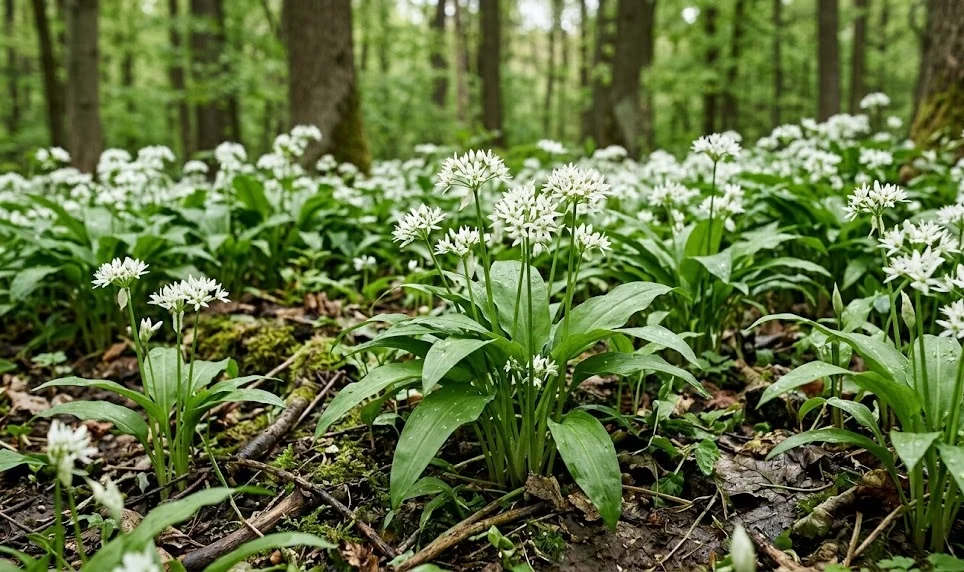

Wild garlic is a remarkably resilient plant when grown in its ideal environment, but it is not entirely immune to threats. You must be aware of the specific fungal pathogens and insect pests that can compromise the health of your colony and the quality of your harvest. Because this plant is often grown for consumption, your approach to management should focus on prevention and organic interventions. This guide covers the identification and professional treatment of the most common issues you might encounter in the garden.
Common fungal and mold issues
Fungal infections are the most frequent problem for wild garlic, usually triggered by excessively wet conditions or poor air circulation. You should watch for signs of downy mildew, which appears as a grayish, fuzzy growth on the undersides of the leaves. This pathogen can quickly spread through a dense patch, causing the foliage to turn yellow and eventually die back prematurely. If you spot these symptoms, it is important to act quickly by removing the affected leaves to stop the spores from traveling. Prevention through proper spacing and avoiding overhead watering is the most effective way to keep mildew at bay.
Rust is another fungal disease that can occasionally affect the Allium family, including wild garlic. You should look for small, orange or rusty-brown pustules on the leaf surfaces, which can eventually lead to widespread leaf death. While rust rarely kills the entire bulb, it significantly reduces the plant’s vigor and makes the leaves unappealing for culinary use. Removing any infected material at the end of the season and disposing of it away from your compost pile is essential. This prevents the fungal spores from overwintering in the soil and re-infecting the new growth in the following spring.
Botrytis or “gray mold” can also be a threat, particularly if the weather is exceptionally damp and cool during the peak growth period. You should be vigilant for soft, water-soaked spots that eventually develop a characteristic gray, fuzzy coating. This mold often attacks the base of the plant where the leaves meet the soil, potentially leading to rot in the crown. Ensuring that your soil is well-drained and that the planting area is not overcrowded can help reduce the humidity at ground level. A clean garden environment is your best defense against these opportunist fungal pathogens.
Root and bulb rot are the most serious fungal threats because they happen out of sight beneath the soil surface. You should investigate if you notice a plant wilting suddenly despite having plenty of moisture, or if the leaves pull away from the base with no resistance. Healthy bulbs should be firm and white, while those affected by rot will be soft, brown, and often have a foul odor. These issues are almost always caused by poor drainage and waterlogged soil conditions over an extended period. If rot is present, you may need to dig up the affected area and improve the soil structure before replanting with healthy stock.
More articles on this topic
Insect pests and environmental stressors
Slugs and snails are the most visible and destructive pests for anyone growing wild garlic in a damp, shaded environment. You should check your patch in the early morning or evening, as these mollusks can decimate the tender young leaves in a single night. They are particularly attracted to the fresh shoots as they emerge in late winter, which can stunt the growth of the plant before it even starts. Using organic barriers like crushed eggshells, grit, or copper tape can help protect your plants without using harmful chemicals. A healthy population of natural predators like frogs and hedgehogs in your garden can also keep these pests in check.
Onion flies are a less common but more insidious pest that can occasionally target wild garlic bulbs. You should look for signs of the larvae, which are small white maggots that tunnel into the bulbs and cause the plant to wither and die. These pests are more likely to be a problem if you grow other Alliums like onions or leeks nearby in your vegetable patch. Rotating your crops and avoiding the use of fresh, uncomposted manure can help reduce the attractiveness of your garden to these flies. If you have a severe infestation, you may need to temporarily move your garlic colony to a different location.
Aphids can sometimes colonize the flower stalks and the undersides of the leaves during the warmer days of late spring. You should watch for clusters of these small insects, which suck the sap and can cause the leaves to become distorted or sticky with honeydew. While a small number of aphids is usually not a major problem, a large infestation can weaken the plant and may even transmit viral diseases. A strong blast of water from a hose can often dislodge these pests, or you can use a gentle insecticidal soap for more stubborn cases. Encouraging ladybugs and hoverflies is the best long-term strategy for natural aphid control.
Environmental stressors like late frost or extreme temperature fluctuations can sometimes be mistaken for disease symptoms. You should be aware that a sudden, hard freeze in April can cause the leaf tips to turn white or translucent, which is simply physical damage rather than an infection. Similarly, a heatwave can cause the plants to go into dormancy early, which might look like they are dying from a lack of water or nutrients. Understanding the impact of weather on your local climate helps you distinguish between natural reactions and actual health problems. Providing a stable, protected environment is the best way to minimize these non-biological stressors.
More articles on this topic
Preventive measures for a healthy patch
Prevention is the most important part of a professional pest and disease management strategy for any wild garlic gardener. You should start by purchasing high-quality bulbs or seeds from a reputable source to avoid introducing pathogens into your garden. If you are transplanting from a friend’s garden, inspect the plants carefully for any signs of mold, rot, or unusual insect activity. Starting with clean, vigorous stock gives your colony the best chance of resisting the challenges it will face in the future. A healthy plant is naturally much more resilient to pests and diseases than one that is already struggling.
Proper site selection and soil preparation are your most powerful tools for preventing fungal issues from the beginning. You should ensure that the area has the right balance of shade and airflow to keep the humidity levels within a healthy range for the plant. Amending the soil with plenty of organic matter improves both drainage and the presence of beneficial soil microbes that can suppress pathogens. A well-constructed planting bed acts as a natural buffer against the conditions that favor mold and rot. Investing time in the site preparation pays off with fewer headaches and a much cleaner harvest in the years to come.
Crop hygiene and regular maintenance are essential habits for keeping your wild garlic patch in top condition throughout the year. You should remove any dead or yellowing leaves promptly, as they can become a breeding ground for mold and a hiding place for slugs. At the end of the season, when the plants go dormant, clear away the old foliage and replace the mulch with a fresh, clean layer. This breaks the lifecycle of many pests and diseases that might otherwise persist in the garden debris over the winter. A tidy garden is not just about aesthetics; it is a fundamental part of plant health management.
Monitoring and early intervention can prevent a small problem from turning into a major disaster for your entire garlic colony. You should make it a habit to inspect your plants at least once a week during the active growing season. Look for changes in leaf color, unusual spots, or signs of insect feeding that might indicate the start of an issue. Catching a fungal infection or a pest infestation early allows you to use much milder and more targeted treatments. Your eyes and your attention are the most effective pest control tools you have at your disposal.
Natural and organic remedies
When interventions are necessary, you should always prioritize natural and organic remedies to protect the safety of your harvest. You should consider using a homemade milk spray (one part milk to nine parts water) as a gentle and effective treatment for early-stage mildew. The enzymes in the milk can help inhibit fungal growth without leaving any toxic residues on the leaves you plan to eat. This traditional remedy is well-regarded by organic gardeners for its simplicity and effectiveness on a variety of leafy plants. It is a perfect example of a “soft” approach that respects the edible nature of the crop.
For managing slugs and snails, you should try non-toxic traps or physical barriers that do not harm the wider ecosystem of your garden. A shallow dish of beer sunk into the ground can attract and trap these mollusks, keeping them away from your precious garlic shoots. Alternatively, a border of copper tape around a raised bed can provide a small electric shock that deters them from crossing into the planting area. These methods are much safer for birds, hedgehogs, and pets than chemical slug pellets, which can have devastating effects on local wildlife. Working with nature, rather than against it, leads to a more balanced and healthy garden.
Neem oil is a versatile organic treatment that can be used to manage both fungal issues and a wide range of insect pests. You should use it as a preventative spray or as a treatment for active infestations of aphids or mites. Neem oil works by disrupting the lifecycle of the insects and inhibiting the growth of fungal spores on the leaf surface. It is biodegradable and generally considered safe for use on edible plants, provided you follow the application instructions carefully. Using neem oil as part of an integrated management plan can provide a high level of protection for your wild garlic.
Encouraging biodiversity in your garden is the most sustainable way to manage pests in the long term without any chemical inputs. You should create habitats for natural predators like ladybugs, hoverflies, and ground beetles that feed on the insects that target your garlic. Planting a variety of native flowers nearby can attract these beneficial insects and keep their populations stable throughout the year. When your garden is a functioning ecosystem, the “pests” are simply part of the food chain and rarely reach levels that cause significant damage. This ecological approach is the hallmark of a truly expert and professional gardener.
Integrated pest management strategies
Integrated Pest Management (IPM) is a professional framework that combines various tactics to keep pests and diseases below damaging levels. You should start by setting realistic thresholds for what constitutes a problem that requires an active intervention. A few holes in a leaf or a small colony of aphids on a single plant are often not worth worrying about in a healthy patch. By focusing on the big picture, you avoid over-reacting to minor issues that the plant can handle on its own. This balanced perspective saves you time and reduces the amount of stress you place on the garden environment.
Documentation is a key part of an effective IPM strategy, allowing you to track the timing and success of your various interventions. You should keep a simple log of when specific pests or diseases appear and what methods you used to manage them. Over several years, this data will reveal patterns that allow you to predict and prevent problems before they even start. If you know that slugs are a problem every March, you can put your barriers in place in February to be ready. This proactive approach is much more efficient than constantly reacting to emergencies as they arise.
Diversity within the garden can act as a natural barrier to the spread of host-specific diseases and pests. You should consider interplanting your wild garlic with other non-competing species that do not share the same vulnerabilities. This “patchy” planting style makes it much harder for a pathogen or an insect to move through the entire colony. It also provides a more complex habitat for beneficial insects and helps maintain a healthier soil microbiome. Strategic planting is a powerful tool for reducing the overall risk to your favorite garden crops.
Finally, you should always be willing to adapt your strategies based on the results you see in your own specific garden environment. What works in a cool, damp northern garden might not be necessary or effective in a warmer, drier southern location. You should treat every season as a learning opportunity and refine your care routine to better suit your local conditions. By being observant, patient, and committed to organic principles, you can maintain a wild garlic patch that is both healthy and highly productive. Professional gardening is a journey of continuous improvement and deepening understanding of the natural world.