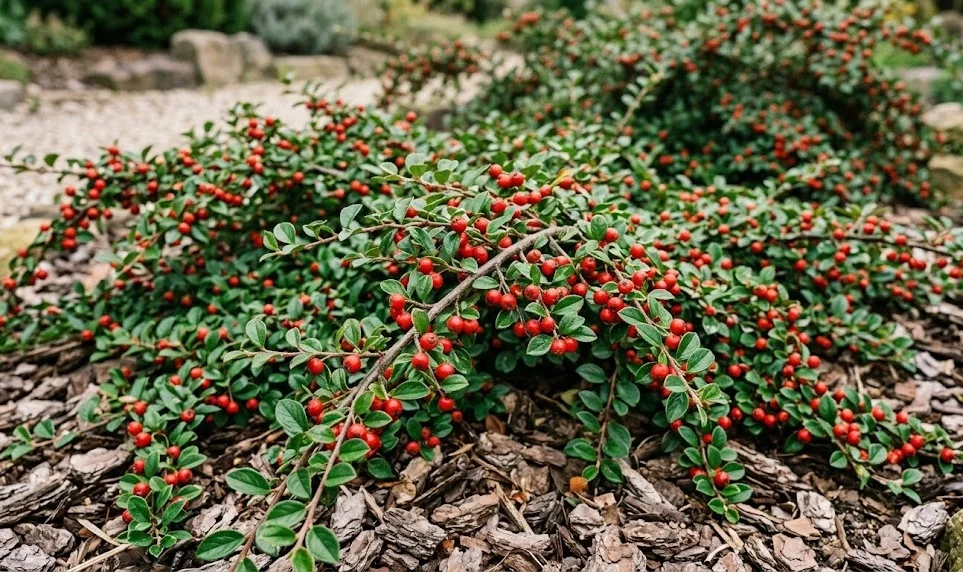

Watering and fertilization are the two pillars of maintenance that determine how quickly your Hjelmqvist’s cotoneaster reaches maturity and how vibrantly it displays its seasonal features. While this species is renowned for its toughness and ability to survive in less-than-ideal conditions, strategic intervention with moisture and nutrients can elevate it from a simple utility plant to a garden centerpiece. Understanding the balance between providing support and allowing the plant to develop its own natural resilience is the hallmark of an expert gardener. A well-managed hydration and feeding schedule ensures that the shrub remains lush, productive, and resistant to environmental stressors throughout the year.
When you think about watering, it is important to remember that the needs of the plant change dramatically based on its age and the current season. A newly planted specimen requires frequent, shallow watering to keep its small root ball from drying out before it can tap into the surrounding soil. In contrast, an established shrub benefits more from deep, infrequent soakings that encourage the roots to grow further down into the earth. This practice of “deep watering” is the secret to creating a drought-tolerant plant that can withstand the hottest and driest weeks of the summer without showing signs of wilt.
Fertilization should be approached with a similar philosophy of moderation and timing. The goal is to provide a steady supply of essential minerals that support the plant’s natural growth cycle rather than forcing a flush of weak, succulent growth with heavy chemicals. Most garden soils contain a good base of nutrients, but supplemental feeding can help if your soil is particularly sandy or if the plant is showing signs of slow growth. By choosing the right products and applying them at the correct time, you can enhance the brilliance of the autumn berries and the glossiness of the summer leaves.
Consistency is key, especially during the first two years of the plant’s life in your garden. You should avoid the “yo-yo” effect of allowing the soil to become bone-dry and then flooding it with water, as this can cause stress and root damage. Monitoring the weather and the physical appearance of the shrub will tell you more than any rigid calendar ever could. A healthy Hjelmqvist’s cotoneaster is one that receives the right amount of attention at the right time, allowing it to integrate seamlessly into your garden’s ecological fabric.
Establishing a watering schedule
In the weeks immediately following the planting of your Hjelmqvist’s cotoneaster, you should check the soil moisture daily. During this time, the plant is entirely dependent on the moisture within its original root ball, which can dry out much faster than the surrounding garden soil. You should aim to keep the soil consistently moist but never waterlogged, as stagnant water will quickly lead to root rot. A gentle trickle at the base of the plant for a few minutes is usually more effective than a quick splash with a bucket.
More articles on this topic
As the shrub begins to establish itself and put out new growth, you can start to transition toward a more sustainable, long-term watering routine. This usually involves watering once or twice a week during the summer, depending on the temperature and the amount of rainfall you receive. You should always check the soil a few centimeters below the surface before adding more water; if it still feels damp, you can wait another day or two. This “tugging” of the plant’s resources encourages the roots to seek out moisture deeper in the soil profile.
The time of day you choose to water can also impact the health of the foliage and the efficiency of the hydration. Early morning is almost always the best time, as it allows the leaves to dry off quickly in the sun, reducing the risk of fungal infections. Watering in the evening can leave the foliage damp overnight, which is the perfect environment for mildews and other pathogens to take hold. If you must water during the day, try to apply it directly to the root zone to minimize evaporation and avoid getting water on the leaves during peak sun.
During the autumn and winter, the watering needs of the Hjelmqvist’s cotoneaster drop significantly as the plant enters dormancy. In many climates, natural rainfall is more than enough to sustain the shrub through the colder months. However, if you experience a particularly dry winter with little snow or rain, an occasional watering during a thaw can be beneficial. This prevents the roots from becoming completely desiccated, which is a common but often overlooked cause of winter dieback in semi-evergreen shrubs.
Water requirements across seasons
Spring is a season of transition where the soil often holds a good amount of moisture from winter, but the plant’s demand for water begins to rise. As the new leaves emerge and the flowers begin to form, the shrub uses a significant amount of energy and hydration to support this rapid expansion. You should monitor the soil moisture as the days get longer and warmer, especially if you have a particularly dry spring. Ensuring the plant is well-hydrated during this phase will lead to a better floral display and more robust growth throughout the year.
More articles on this topic
Summer is the most challenging time for any garden shrub, and the Hjelmqvist’s cotoneaster is no exception, despite its inherent hardiness. During prolonged heatwaves, you may notice the leaves losing their gloss or the tips of the branches beginning to droop slightly. This is a clear signal that the plant needs a deep soaking to replenish its internal water reserves. Mulching around the base of the plant is incredibly helpful during the summer, as it acts as an insulating layer that keeps the roots cool and reduces surface evaporation.
In late summer and early autumn, the water requirements shift toward supporting the ripening of the berries and the hardening of the wood. You should continue to provide consistent moisture, but you can begin to reduce the frequency as the temperatures start to cool. This gradual reduction helps the plant prepare for the coming winter by slowing down the production of soft, new growth. A plant that is allowed to transition naturally into dormancy is much more likely to survive extreme winter temperatures without damage.
The winter months require a different perspective on watering, as the goal is simply to maintain the survival of the root system. If the ground is not frozen and there has been a lack of precipitation for several weeks, a light watering can be a lifesaver. This is especially true for plants located in “rain shadows” near walls or under the eaves of a house. Once the ground freezes solid, the roots cannot take up any more water, so ensuring they are well-hydrated before the first deep freeze is a wise preventative measure.
Soil nutrition and mineral needs
While Hjelmqvist’s cotoneaster is not a “heavy feeder,” it still requires a range of macro and micronutrients to maintain its health and appearance. Nitrogen is essential for the production of lush, green foliage, but it should be used sparingly to avoid over-stimulating the plant. Too much nitrogen can lead to long, spindly branches that lack the strength to support the weight of the berries. You should look for a balanced nutritional profile that supports the plant’s overall structure rather than just leaf size.
Phosphorus and potassium are perhaps more important for the long-term beauty of this specific shrub, as they support root development, flowering, and fruiting. A healthy supply of phosphorus ensures that the spring flowers are abundant, which in turn leads to a heavy crop of berries in the autumn. Potassium helps the plant regulate its internal water use and strengthens the cell walls, making it more resistant to both drought and disease. These minerals are often found in sufficient quantities in healthy garden soil, but they can become depleted over time.
In addition to these primary nutrients, the shrub also benefits from a range of micronutrients such as iron, magnesium, and calcium. Magnesium is a core component of chlorophyll, and a deficiency can lead to yellowing between the leaf veins, a condition known as chlorosis. Calcium is vital for strong cell structure and helps the plant withstand environmental stressors like wind and cold. Most high-quality organic mulches and composts will provide a slow release of these trace elements as they break down into the soil.
If you suspect your soil is lacking in specific nutrients, a simple soil test can provide you with a detailed map of what is missing. For many gardeners, simply adding a layer of well-rotted garden compost or leaf mold each spring is enough to maintain a healthy nutrient balance. This organic approach not only feeds the plant but also improves the soil’s ability to hold onto both water and nutrients. It is a holistic way of gardening that mimics the natural nutrient cycles found on the forest floor where these plants originated.
Choosing and applying fertilizers
When selecting a fertilizer for your Hjelmqvist’s cotoneaster, organic options are often superior to synthetic ones for long-term health. Products like blood and bone, seaweed extracts, or well-composted manure provide a broad spectrum of nutrients in a form that is released slowly. This slow-release nature is perfect for a shrub that doesn’t need a sudden “jolt” of energy but rather a steady supply of building blocks. Organic fertilizers also help support the beneficial microbes in the soil, which in turn help the plant’s roots absorb nutrients more efficiently.
If you prefer to use a commercial granular fertilizer, look for a “balanced” formula such as a 10-10-10 or a specific shrub and tree food. You should apply these granules in the early spring, just as the new growth begins to appear, spreading them evenly around the drip line of the plant. Avoid placing the fertilizer directly against the main stem, as the concentrated salts can burn the bark and damage the crown. Always water the area thoroughly after applying granular fertilizer to help the nutrients move down into the root zone.
Liquid fertilizers are another option, particularly for young plants or those that seem to be struggling to establish themselves. These are absorbed quickly through both the roots and the foliage, providing a more immediate boost to the plant’s vigor. You can use a diluted seaweed solution once a month during the growing season to provide a range of trace minerals and natural growth stimulants. However, liquid feeding should be seen as a supplement to a good soil-based nutrition program rather than a replacement for it.
The golden rule of fertilizing the Hjelmqvist’s cotoneaster is to avoid feeding too late in the growing season. You should stop all fertilization by mid-summer to ensure that any new growth has plenty of time to harden off before the winter frosts arrive. Late-season feeding can encourage soft, succulent growth that is easily damaged by cold temperatures, potentially leading to significant dieback. By timing your applications to coincide with the plant’s natural growth spurts in the spring, you work in harmony with its biology.
Recognizing nutrient deficiencies
Learning to read the leaves of your Hjelmqvist’s cotoneaster will help you identify nutritional problems before they become severe. If the leaves are looking pale green or yellow overall, it is often a sign of nitrogen deficiency, especially in older leaves. You might also notice that the plant’s growth has slowed significantly and the new branches are much shorter than in previous years. In this case, a light application of a nitrogen-rich organic mulch or a balanced fertilizer should help restore the plant’s vibrant green color.
Interveinal chlorosis, where the veins remain green but the rest of the leaf turns yellow, is a classic sign of iron or magnesium deficiency. This is more common in alkaline soils where these minerals can become “locked up” and unavailable to the plant’s roots. You can often correct this by applying a chelated iron supplement or by adding sulfur to slightly lower the soil’s pH. Improving the organic matter in the soil also helps by creating a more buffered environment that allows for better nutrient uptake.
If you notice that the leaves are turning a purplish or dark bronze color, particularly on the undersides, this can indicate a lack of phosphorus. This is especially common during cold, wet springs when the roots are less active and struggle to absorb enough phosphorus from the soil. While this often resolves itself as the weather warms up, adding a bit of bone meal around the base can provide a more permanent solution. Phosphorus is vital for the development of the fruit, so a deficiency will also lead to a poor berry crop.
Finally, a lack of potassium often manifests as browning or “scorching” around the edges of the leaves, starting with the older ones. The plant may also seem more susceptible to pests and diseases, as its natural defenses are weakened by the lack of potassium. You should ensure that your fertilization routine includes a good source of potassium, which is often found in wood ash or specific potash fertilizers. By keeping a close eye on these visual cues, you can maintain a Hjelmqvist’s cotoneaster that is the picture of health and vitality.