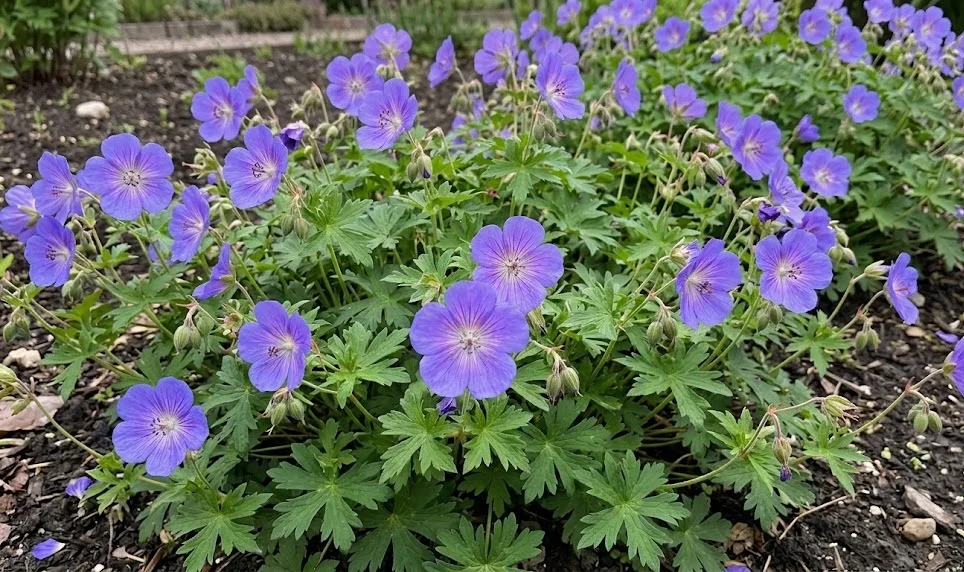

Himalayan cranesbill is one of the most reliable and visually striking perennials available for temperate gardens. This plant offers a dense carpet of deeply lobed foliage that transitions beautifully from spring to autumn. Gardeners value this species not only for its vibrant blue flowers but also for its exceptional hardiness. Understanding the fundamental needs of this plant is the first step toward creating a thriving ornamental display.
Proper site selection ensures that the plant remains healthy and vigorous throughout the growing season. Most gardeners find that a spot with well-drained soil and adequate light produces the best blooming results. While it can tolerate various conditions, avoiding waterlogged areas is essential for preventing root issues. A healthy plant will quickly establish itself and begin to spread across the designated garden area.
Routine maintenance is relatively low, making this an ideal choice for both beginners and busy professionals. Removing spent flowers can encourage a second flush of blooms later in the summer months. Keeping the surrounding area free of aggressive weeds allows the cranesbill to dominate the ground cover effectively. Consistent observation helps in identifying any minor issues before they become significant problems for the plant.
The foliage of this perennial provides interest even when the flowers are not currently in bloom. During the autumn, the leaves often take on reddish or bronze tints that add warmth to the garden palette. This transitional beauty makes it a versatile component in mixed borders or woodland edges. Long-term success depends on respecting the natural growth cycle of the plant from spring emergence to winter dormancy.
Soil quality and preparation
The foundation of a healthy Himalayan cranesbill starts with the physical and chemical properties of the garden soil. This species prefers a medium-to-rich loamy soil that provides plenty of nutrients for foliage development. Organic matter should be incorporated into the soil before planting to improve its overall structure and fertility. Well-structured soil allows the root system to expand easily and access deep moisture during dry spells.
More articles on this topic
Drainage is perhaps the most critical factor when preparing the ground for these perennials. If the soil consists mostly of heavy clay, it may retain too much water during the rainy seasons. Adding grit or compost can help break up heavy particles and ensure that excess water drains away from the crown. Plants situated in poorly drained spots often suffer from stunted growth or various fungal infections.
The acidity level of the soil also plays a role in the long-term health of the cranesbill. Generally, a neutral or slightly alkaline pH range is considered ideal for most varieties within this group. If the soil is excessively acidic, adding a small amount of lime can help balance the environment for the roots. Testing the soil periodically allows for precise adjustments that support the specific needs of the plant.
Aeration is another aspect of soil preparation that should not be overlooked by the diligent gardener. Compacted soil prevents oxygen from reaching the root zone, which can lead to a decline in plant vigor. Using a garden fork to loosen the earth around the planting site creates a more hospitable environment. This simple step encourages deeper rooting and improves the plant’s resilience against environmental stressors.
Seasonal maintenance routines
Spring is the time when the first signs of life appear, requiring a gentle cleanup of the garden bed. Removing any dead foliage left over from the previous year allows fresh green shoots to emerge without obstruction. This is also an excellent time to apply a thin layer of compost around the base of the plant. Early intervention ensures that the cranesbill has all the resources it needs for the upcoming flowering season.
More articles on this topic
Summer care focuses primarily on maintaining the aesthetic appeal and health of the dense foliage. Monitoring the soil moisture during heatwaves is necessary to prevent the leaves from wilting or drying out. If the plant becomes too leggy after its initial bloom, a light trim can restore its compact shape. Providing support for surrounding taller plants ensures that the cranesbill is not completely smothered by its neighbors.
Autumn preparations involve gradually reducing maintenance tasks as the plant enters its natural decline. The changing leaf colors should be enjoyed as part of the seasonal display rather than being removed prematurely. Cutting back the stems after the first frost helps keep the garden looking tidy during the winter months. This period of rest is vital for the plant to store energy in its root system for the next year.
Winter is a time of dormancy where the plant requires very little direct intervention from the gardener. Ensuring that the ground does not become overly saturated during thaws is the main concern during this season. A light mulch can protect the crown from extreme temperature fluctuations in regions with very cold winters. Observing the garden during this time helps in planning future changes or additions to the planting scheme.
Encouraging a second bloom
One of the most rewarding aspects of growing this species is the possibility of extending the flowering period. Deadheading, which involves removing faded flowers, prevents the plant from putting energy into seed production. This redirection of resources often results in the development of new buds that open later in the season. Consistent attention to this task can significantly enhance the visual impact of the garden border.
A more drastic approach involves cutting the entire plant back after the main flush of flowers has ended. Using sharp shears to remove the stems near the ground level might seem counterintuitive at first. However, the plant responds rapidly by producing fresh, vibrant foliage and a second round of delicate blue flowers. This rejuvenation technique keeps the plant looking young and prevents it from becoming sparse in the center.
Providing a light application of balanced liquid fertilizer after cutting back can further stimulate new growth. The influx of nutrients supports the rapid development of stems and leaves during the mid-summer heat. It is important to water the plant thoroughly after fertilization to ensure the roots can absorb the minerals. This combination of pruning and feeding is a professional secret for maintaining a lush appearance.
Timing is essential when trying to achieve a second bloom before the cooler autumn weather arrives. Cutting the plant back too late in the season may not allow enough time for new flowers to mature. Ideally, this process should take place just as the primary flowers begin to lose their color and vigor. Observing the local climate patterns will help determine the perfect window for this maintenance task.
Long term plant health
Over time, even the healthiest Himalayan cranesbill may become overcrowded or lose its vigor in the center. Dividing the plant every three to four years is a standard practice that rejuvenates the entire colony. This process involves lifting the root ball and separating it into smaller, healthy sections for replanting. Division not only improves the health of the original plant but also provides new specimens for other areas.
Regularly inspecting the foliage for signs of nutritional deficiencies can prevent long-term growth issues. Yellowing leaves might indicate a lack of nitrogen or a problem with the soil’s pH balance. Addressing these issues early with specific soil amendments ensures the plant remains strong and resilient. A proactive approach to nutrition is much more effective than trying to rescue a severely weakened plant.
Maintaining a clean environment around the base of the cranesbill reduces the risk of persistent pest problems. Removing fallen leaves and debris prevents the buildup of habitats for insects that might damage the foliage. Air circulation is also improved when the area is kept tidy, which significantly lowers the chance of fungal diseases. Good garden hygiene is a fundamental pillar of professional horticultural management.
Monitoring the surrounding competition is necessary to ensure the cranesbill has enough space to thrive. Fast-growing shrubs or aggressive perennials can sometimes overshadow or crowd out the smaller cranesbill. Occasional thinning of neighboring plants preserves the light and air levels required for optimal growth. Protecting the plant’s territory allows it to remain a focal point in the landscape for many years.
Companion planting strategies
Choosing the right neighbors for Himalayan cranesbill can elevate the entire design of a garden bed. This plant pairs exceptionally well with silver-foliaged perennials like lamb’s ear or Artemisia. The contrast between the deep blue flowers and the silvery leaves creates a sophisticated and cooling visual effect. Professional designers often use these combinations to draw the eye through a mixed border.
Yellow-flowering plants provide a classic color contrast that makes the blue of the cranesbill pop. Lady’s mantle is a popular companion due to its frothy chartreuse flowers and similar growing requirements. The texture of the two plants complements each other, with one providing sharp lobes and the other rounded leaves. This pairing is particularly effective in cottage-style gardens or informal landscape settings.
Ornamental grasses offer a different structural element that works harmoniously with the low-growing cranesbill. The upright form of grasses provides a backdrop that highlights the mounding habit of the geranium. As the seasons change, the movement of the grasses adds a dynamic quality to the garden scene. This combination is durable and requires minimal intervention once the plants are established.
Consider the bloom times of potential companions to ensure a continuous display of color throughout the year. Spring bulbs like tulips or narcissus can bloom through the emerging cranesbill foliage early in the season. As the bulbs fade, the growing geranium leaves hide the dying bulb foliage, maintaining a clean look. This layering technique maximizes the use of space and provides multiple waves of interest.
Creating a cohesive landscape
Integrating Himalayan cranesbill into a larger landscape requires an understanding of scale and repetition. Using this plant in large drifts rather than isolated spots creates a sense of unity and flow. The mass of blue flowers acts as a visual anchor that connects different sections of the garden. This approach is often seen in professional park designs and large estate gardens.
The plant’s ability to act as a ground cover makes it perfect for filling gaps between larger shrubs and trees. It softens the edges of hardscaping like stone paths or wooden retaining walls effectively. By suppressing weeds, it also reduces the maintenance needs of the entire landscape area. Its versatility allows it to thrive in both formal and informal garden styles with ease.
Himalayan cranesbill is also an excellent choice for slopes or areas that are difficult to mow regularly. Once established, its dense root system helps stabilize the soil and prevent erosion during heavy rains. The low maintenance nature of the plant ensures that these difficult areas remain beautiful without constant effort. It provides a practical solution for landscaping challenges while adding significant aesthetic value.
Final considerations for a cohesive look involve matching the plant with the overall theme of the garden. In a woodland setting, it mimics the natural floor and pairs well with ferns and hostas. In a more modern garden, its clean foliage and vibrant color provide a sharp contrast against minimalist structures. Whatever the style, this perennial remains a dependable and beautiful choice for any horticultural project.