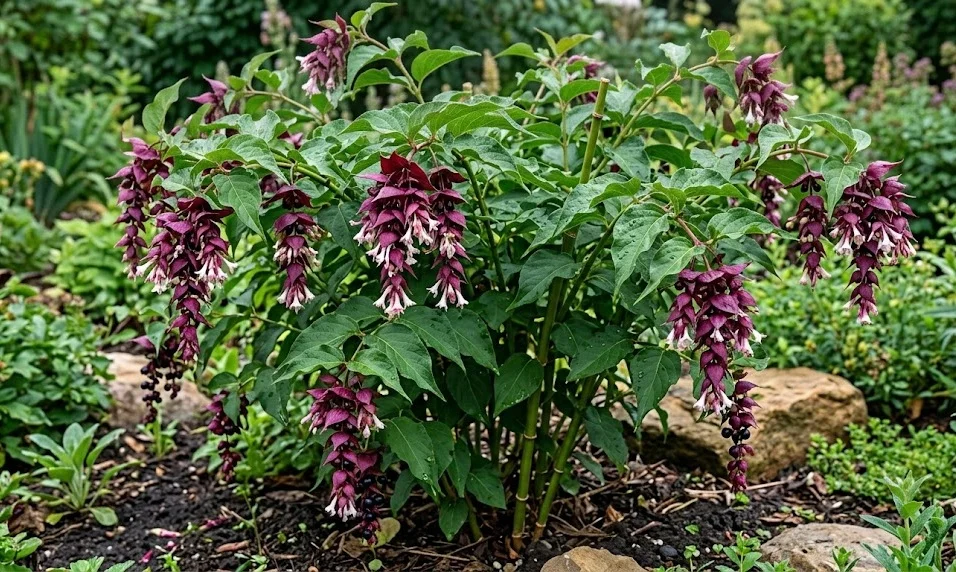

Maintaining the health of your himalayan honeysuckle involves being vigilant against the various pests and diseases that can occasionally target it. While this shrub is generally quite robust and resistant to many common garden problems, it isn’t completely immune. By catching issues early and using professional management techniques, you can ensure the plant remains a beautiful and productive part of your landscape. Understanding the common threats allows you to act quickly and effectively before any serious damage is done to the stems or foliage.
Fungal infections are among the most frequent problems you might encounter, especially during damp or humid summers. Powdery mildew is a classic example, appearing as a white, dusty coating on the leaves and stems. This can reduce the plant’s ability to photosynthesize and make it look quite unsightly if left untreated. Ensuring there is plenty of air circulation around the branches is the best way to prevent this from taking hold in your garden.
Pests like aphids and spider mites can also find the soft, new growth of the honeysuckle quite attractive in the spring. These tiny insects suck the sap from the plant, causing the leaves to curl or become distorted. You might also notice a sticky substance called honeydew on the leaves, which can lead to the growth of sooty mold. Regularly checking the undersides of the leaves will help you spot these invaders before their population explodes.
General plant stress from poor watering or incorrect lighting can make the shrub more susceptible to all kinds of health issues. A plant that is thriving in its ideal environment is much more capable of fighting off minor infections and pest attacks. You should view any sudden change in the plant’s appearance as a signal to check the overall growing conditions. Proper care is always the first and most important line of defense against diseases and pests.
Identifying fungal infections early
Powdery mildew is often the first fungal issue gardeners notice because it is so visually distinct on the green leaves. It usually starts as small, circular white spots that eventually spread to cover large portions of the foliage. If the infection is severe, the leaves may turn yellow and fall off prematurely, weakening the whole shrub. You can often manage a minor outbreak by simply pruning away the most affected branches and improving the local airflow.
More articles on this topic
Another potential fungal problem is leaf spot, which manifests as small dark or brown lesions on the surface of the leaves. These spots can merge together, causing large areas of the leaf tissue to die and turn brittle. This is often caused by water sitting on the leaves for too long, especially during cool and cloudy weather. Switching to a ground-level watering system is a professional way to keep the foliage dry and reduce the risk of infection.
Root rot is a much more serious fungal issue that occurs in poorly drained or consistently waterlogged soils. You might notice the plant suddenly wilting even when the soil is wet, or the base of the stems might feel soft and mushy. Because the damage happens underground, it can be quite advanced by the time you see the symptoms above ground. Improving the drainage of the planting site is the only real long-term solution for preventing this devastating problem.
Stem cankers can sometimes appear as sunken or discolored areas on the older, more woody parts of the shrub. These cankers can eventually girdle the stem, cutting off the flow of water and nutrients to the upper parts of the branch. If you see these signs, you should prune the affected stem back to healthy, green wood well below the infected area. Always clean your pruning tools with alcohol after making such cuts to avoid spreading the fungus to other parts of the plant.
Common insects and their signs
Aphids are probably the most common insect pest you will find on the tender young shoots in the late spring. They come in various colors, but the ones on honeysuckle are often green or black and cluster near the growing tips. You will see the new leaves becoming twisted and stunted as the aphids feed on the nutrient-rich sap. A strong blast of water from a garden hose can often knock them off and disrupt their feeding cycle without using any chemicals.
More articles on this topic
Spider mites are much harder to see with the naked eye, but their presence is marked by fine webbing between the leaves and stems. They thrive in hot, dry conditions and cause the foliage to look speckled or bronzed as they drain the plant’s vitality. If you suspect an infestation, you can shake a branch over a white piece of paper to see the tiny specks moving around. Increasing the local humidity and keeping the plant well-watered can help deter these pests from settling in.
Scale insects can occasionally be found clinging to the stems of the plant, looking like small, immobile bumps or scales. They protect themselves under a waxy coating, making them quite resistant to many common garden sprays. They slowly drain the sap and can weaken the plant over time if their numbers become large enough. You can often remove small groups of them by hand or by using a soft brush dipped in a bit of soapy water.
Leaf miners are another pest that leaves behind very distinctive visual evidence of its presence in your garden. The larvae of these tiny flies tunnel through the interior of the leaves, creating winding, silvery trails that are easy to spot. While the damage is usually mostly cosmetic and doesn’t seriously harm the plant, a heavy infestation can be annoying. Removing and destroying the affected leaves is generally the best way to manage this pest on a small scale.
Natural and organic solutions
Using nature to help manage your garden pests is a professional approach that promotes a healthy and balanced ecosystem. Encouraging beneficial insects like ladybugs, hoverflies, and lacewings will provide a natural check on aphid populations. You can attract these helpers by planting a variety of flowering herbs and perennials near your honeysuckle. This biological control is often more effective and much safer than relying on synthetic pesticides.
Neem oil is a popular organic choice for dealing with a wide range of both fungal and insect problems in the garden. It works by disrupting the life cycle of pests and has some natural antifungal properties that can help with mild cases of mildew. You should apply it in the evening to avoid harming bees and to prevent the sun from scorching the treated leaves. It is a versatile tool that every organic gardener should have in their maintenance kit.
Homemade insecticidal soaps can also be effective for managing soft-bodied insects like aphids and mites. A simple mixture of a few drops of mild dish soap and water can be sprayed directly onto the pests to suffocate them. You should always test a small area of the plant first to make sure the soap doesn’t cause any leaf damage. This low-impact solution is perfect for quick interventions when you first notice a problem starting to develop.
Baking soda sprays are a classic organic remedy for managing powdery mildew and other surface fungal issues on many garden shrubs. Mixing a teaspoon of baking soda with a liter of water and a drop of soap creates a solution that changes the pH on the leaf surface. This makes it much harder for fungal spores to germinate and spread across the rest of the plant. Regular applications during humid weather can act as a great preventative measure for keeping your honeysuckle clean.
Strategic use of garden treatments
Sometimes a more direct approach is needed if a disease or pest problem has become too large to manage naturally. If you decide to use a commercial fungicide or insecticide, always read the label carefully and follow the instructions to the letter. You should aim to treat only the affected plants rather than spraying the entire garden indiscriminately. This targeted use of treatments helps protect the overall health of your local environment and its wildlife.
Timing your treatments is critical for getting the best results while minimizing the impact on non-target species. Most sprays are most effective when applied early in the morning or late in the afternoon when the air is still and the sun is less intense. Avoid treating plants when they are in full bloom to prevent harming the bees and other pollinators that visit the flowers. Professional gardening is about being precise and thoughtful with every intervention you make.
Systemic treatments are absorbed by the plant and provide long-term protection against sap-sucking insects from the inside out. These can be useful for persistent problems like scale but should be used sparingly due to their potential impact on the wider food chain. Always consider the long-term health of your soil and the surrounding insects before choosing a systemic option. In many cases, a well-timed contact spray or manual removal is a safer and more effective alternative.
Rotating the types of treatments you use can prevent pests and diseases from developing resistance to a particular product. If you use the same chemical over and over, you might find that it eventually stops working as the target organisms adapt. This is a common issue in larger agricultural settings that professional home gardeners can avoid through diversity. Keep a simple log of what you have used and when to help you plan a more effective management strategy for the future.
Strengthening plants through prevention
The best way to deal with pests and diseases is to make sure they never get a chance to start in the first place. This begins with choosing healthy plants from a reputable source and inspecting them thoroughly before bringing them home. Once in the garden, giving your honeysuckle the correct amount of light, water, and nutrients will build its natural resistance. A stressed plant is an open invitation for trouble, while a healthy one can usually handle a minor attack on its own.
Sanitation is a vital but often overlooked part of garden health management for any serious enthusiast. You should always clean up fallen leaves and debris from around the base of the shrub, especially at the end of the season. This removes the hiding places and overwintering sites for many common pests and fungal spores. Keeping your garden tidy is one of the easiest and most effective ways to reduce the overall disease pressure in your landscape.
Pruning for air circulation is another professional technique that can prevent many fungal issues before they begin. By thinning out the center of the bush, you allow the wind to move through the branches and dry the leaves more quickly after a rain. This simple structural management creates a microclimate that is much less hospitable to mildew and leaf spots. It also makes it easier to spot and treat any pests that might try to hide in the dense interior.
Finally, keep a close eye on the weather and adjust your care routine to match the current environmental risks. If you know a period of hot, humid weather is coming, you can take proactive steps like applying an organic preventative spray. Being one step ahead of the pests and diseases will save you a lot of work and frustration in the long run. A proactive gardener is always a more successful one when it comes to keeping a beautiful himalayan honeysuckle.